Signs Your Loved One Needs In-Home Care: A Guide for Families
As parents and older relatives age, their needs gradually change. Many families notice small behavioural or routine changes without realizing that these may be early signs indicating the necessity for Home Care. In the introduction alone, Home Care is essential to understand as it allows seniors to continue living safely in familiar surroundings while receiving tailored assistance. Families choosing Home Care often do so to support independence rather than replace it. By introducing Home Care early, seniors can retain dignity, continue making personal choices, and avoid rushed health-related decisions. Many aging adults initially resist care, believing they should manage on their own. However, strategic Home Care planning early on improves long-term well-being and reduces risks of accidents or emotional strain. When evaluating whether senior assistance may be warranted, reviewing expert guidance on aging support through around the clock careoptions can be beneficial for families seeking constant assistance where needed.
Understanding When to Hire Home Caregiver
The decision regarding when to hire a home caregiver often starts with subtle observations. You may notice increased forgetfulness, slower movement, changes in mood or disinterest in regular activities. Seniors often avoid discussing difficulties, so it's important for family members to watch carefully. Common indicators include poor hygiene maintenance or unexplained household disorganization. Paying attention to these warning signs helps prevent situations where intervention becomes urgent. As everyday responsibilities become overwhelming, seniors may withdraw or resist social interaction. This shift could indicate early cognitive decline or heightened emotional stress.
Recognizing behavioural changes provides opportunities for timely support. Instead of waiting for hospitalization or a sudden accident, families can step in with planned assistance. Midpoint through your decision-making, consider exploring information on senior support policies to review protection practices related to personal data before proceeding with any professional services.
Senior Safety Concerns: What to Look For
Frequent Falls or Balance Issues
One of the most serious senior safety concerns is multiple minor falls or near misses. While seniors may hide such incidents, bruise marks or hesitation when walking can indicate balance issues. Lack of physical stability without necessary support increases risk of injury and hospitalization. Introducing safety checks and assistive tools can prevent further decline.
Forgetting Medication Timing
If aging adults skip essential medicines or frequently request refills early, it could suggest memory inconsistency. This issue may affect heart, blood pressure or other vital functions. Medication support is often one of the earliest requirements for home care.
Neglect of Personal Hygiene
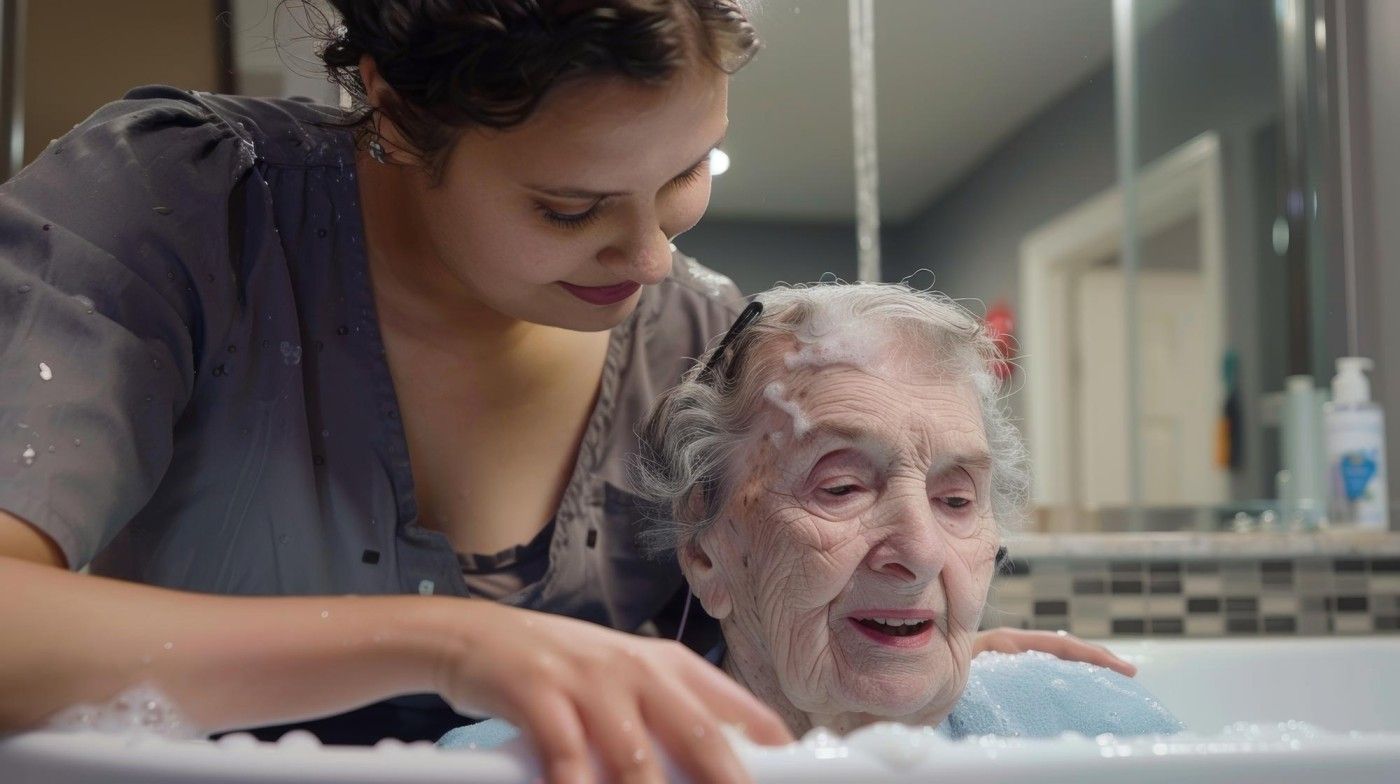
When basic grooming or washing becomes inconsistent, it may reflect physical or emotional challenges. Rather than assuming carelessness, families should evaluate whether the senior is struggling with strength, flexibility or motivation.
Home Assistance Indicators You Should Not Ignore
Home assistance indicators often escalate from minor issues. For instance, ignoring meal preparation may evolve into malnourishment. Difficulty opening jars or reaching shelves may indicate gradually reducing mobility. If senior relatives show fatigue even after simple tasks like sweeping or folding laundry, it may signal the need for practical support. Loss of interest in previously enjoyed hobbies can also indicate emotional shifts or frustration with limited capability.
Equal attention should be given to cognitive indicators such as repeating stories, missing scheduled events or showing confusion during familiar tasks. Caregivers trained to support such individuals can adapt routines to ease confusion while encouraging safe independence. As you continue to assess requirements, mid evaluation may be the ideal stage to review care guidelines and legal conditions to better understand the responsibilities associated with home assistance planning.
Emotional and Social Warning Signs
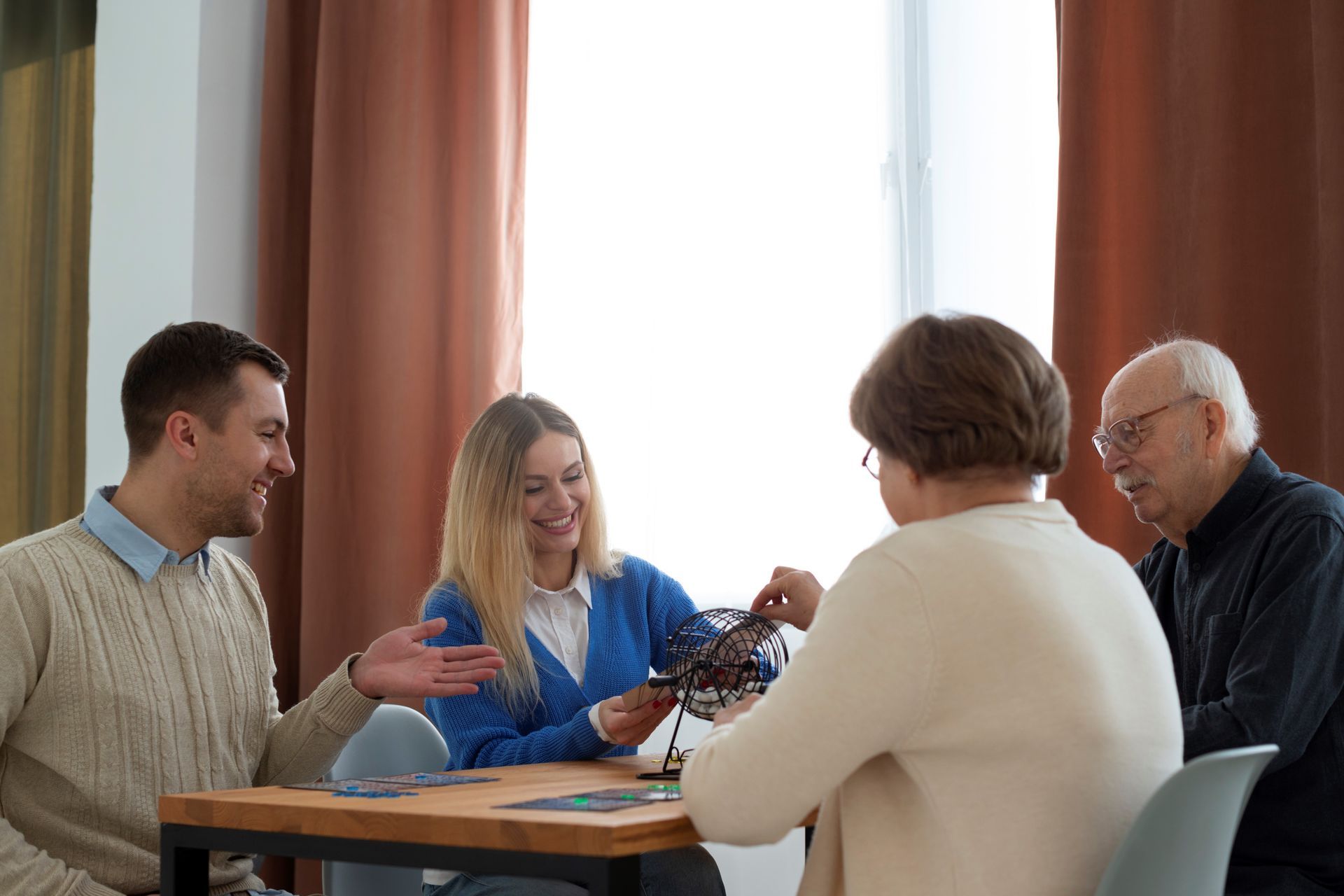
Senior safety goes beyond physical ability. Emotional wellness significantly influences independence. Isolation, avoidance of conversation or frustration can indicate discomfort. If seniors appear withdrawn following social visits or phone calls, they may be struggling with low confidence or fear of dependency. Gentle introduction to assisted care can help reduce anxiety and prevent emotional decline.
Signs of Emotional Strain
- Increased irritation
- Unwillingness to accept help
- Abrupt changes in sleep patterns
- Loss of appetite or sudden weight drop
- Reduced interaction with relatives
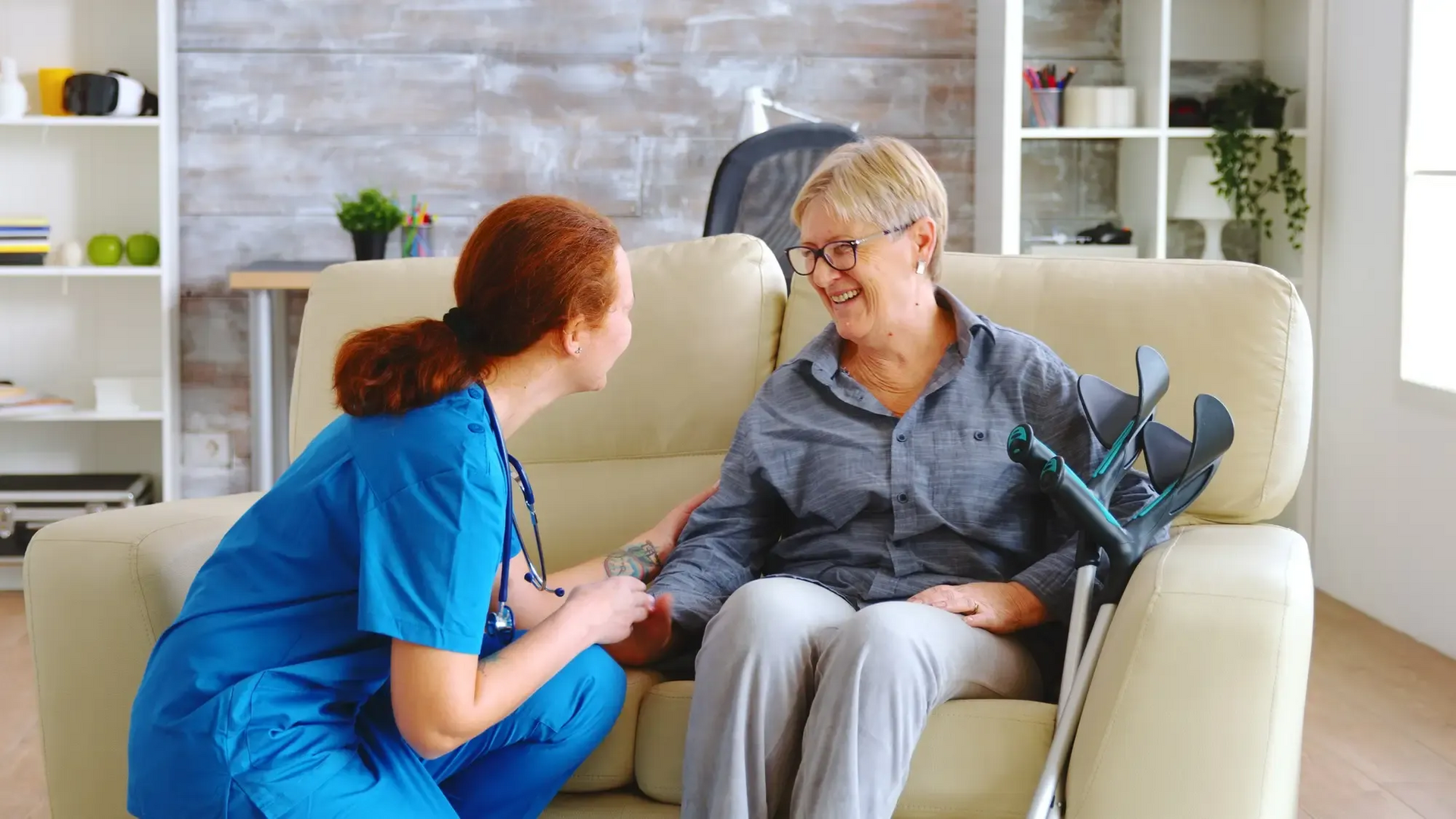
Caregivers often provide companionship, which supports emotional consistency. Encouraging routine interactions and structured activities can improve confidence.
Determining the Right Time for Home Support
There is no fixed age or condition that defines when to hire home caregiver. The timing is usually based on accumulated signs over weeks or months. If daily tasks begin taking significantly longer or safety incidents are occurring regularly, it may be time to introduce structured assistance. Families should discuss preferences with the senior, emphasizing that support aims to promote independence rather than remove control.
Encouraging Senior Acceptance
Provide reassurance that home care respects personal choices. Explain that the goal is safety, not restriction. In many situations, gradual introduction of care initially for limited hours helps ease acceptance. Once trust develops, support can be expanded if needed.
Types of Care Available
Basic Daily Assistance
Includes help with grooming, dressing, meal preparation and light cleaning. Often suitable for seniors with mild mobility limitations.
Mobility and Transfer Support
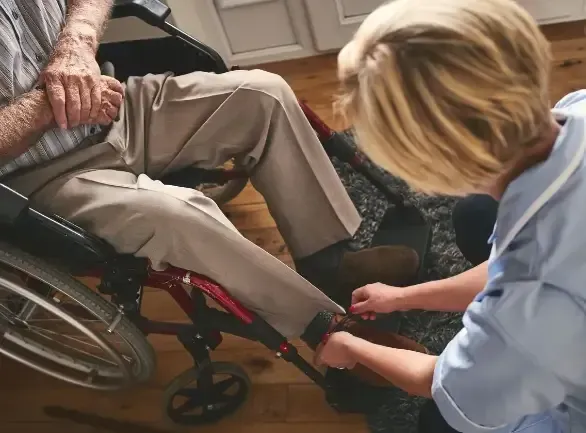
Ideal for individuals requiring support when moving from bed to chair, adjusting posture or walking.
24 Hour Supervision
Continuous support to assist with physical and cognitive safety, ideal for seniors with advanced conditions requiring constant attention.
Common Advantages of Home Care
Introducing home care early provides several benefits that extend beyond physical help.
- Reduces risk of in-home falls
- Improves medication management
- Encourages regular mealtime consistency
- Minimizes emotional strain by reducing task pressure
- Supports daily routine stabilization
- Allows family members to maintain roles without burnout
In addition to practical support, care staff often serve as early observers of potential health changes, enabling faster intervention.
Supporting Senior Independence
Home care, when implemented properly, encourages seniors to use their capabilities rather than taking over responsibilities entirely. Caregivers monitor but avoid unnecessary interference. Many seniors respond positively when allowed to perform small tasks independently such as choosing clothing or preparing light breakfast. Adaptive techniques keep independence within safe boundaries.
Involving the Family in Care Decisions
Family members play an essential role in monitoring progress and adjusting care plans as needed. Regular review meetings where the senior’s feedback is heard are recommended. Discussions should focus on how support can be modified to reflect changing needs. Family involvement ensures care remains respectful and aligned with personal values.
How to Discuss Care with Aging Loved Ones
Start with gentle conversation. Acknowledge their achievements and reinforcing resilience while explaining that occasional assistance may prevent unexpected health declines. Avoid suggesting incapability. Instead, emphasize safety enhancement and lifestyle support.
Discussion Tips
Speak at a calm time without distractions
- Allow seniors to express concerns
- Use practical examples such as help with carrying heavy laundry
- Explain that assistance can be adapted and is not permanent
How to Proceed with Home Care Implementation
Begin with light tasks such as medication reminders or weekly assistance. Gradually increase involvement if signs of struggle continue. Reevaluate care plans approximately every three to six months based on behavioural and physical observations.
Mid to advanced stages of planning is a suitable time to learn how professionals handle service requests. At this stage, reviewing detailed guidance for step-by-step assistance processes through care request scheduling assists families in starting the application with clarity and preparedness.
Long Term Impact of In-Home Support
Earlier intervention typically results in enhanced quality of daily life. Seniors maintaining independence tend to show higher emotional stability. Physical injuries often reduce when assistance is present. Social engagement opportunities supported by caregivers boost communication and reduce loneliness.
A well-structured care plan helps seniors live more securely in their own homes, delay hospital stays and decrease frequency of emergency medical needs. As capabilities change, care strategies evolve ensuring long term well-being.
Frequently Asked Questions
1. What are the main signs that indicate when to hire home caregiver?
Look for frequent falls, noticeable memory issues, skipped meals, poor hygiene, home disorganization and emotional withdrawal. These signs can suggest that daily tasks have become overwhelming.
2. Does home care support senior independence?
Yes. Home care is designed to allow seniors to continue managing as many tasks as possible while providing support only where difficulties arise.
3. Is in home care only for those with major health issues?
No. Many families introduce home care early to prevent complications and provide mild assistance before more serious conditions emerge.
4. How often do care plans need to be reviewed?
Care plans should typically be reassessed every few months or following a significant incident such as illness, fall or noticeable capability change.
5. Can seniors choose the type of assistance they receive?
Yes. Seniors and families together determine tasks requiring support. Caregivers adjust to individual preferences to maintain respect and daily autonomy.