How to Avoid Caregiver Burnout While Supporting Aging Parents
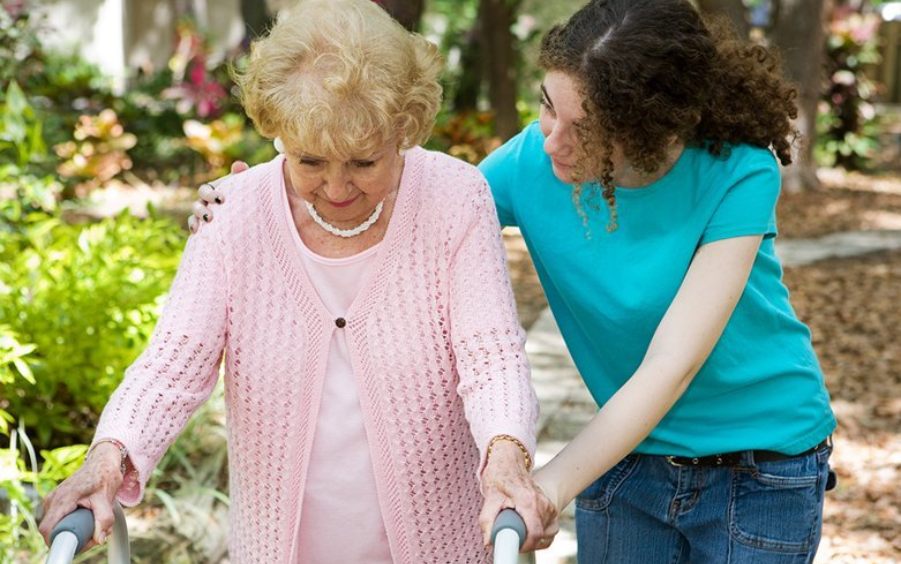
Introduction Caregiver burnout is a common challenge for individuals supporting aging parents and often develops gradually as emotional, physical, and mental demands increase. Prolonged stress without adequate recovery can affect decision-making, patience, and overall health, impacting both caregivers and those receiving care. As responsibilities grow and multiple roles must be balanced, the quality of support provided may decline. This experience is not a personal failure but a natural response to sustained pressure. Building awareness is an important first step toward effective stress management and long-term well-being for family caregivers.
Understanding Caregiver Burnout and Its Causes
Caregiver burnout occurs when caregiving demands exceed available emotional and physical resources. Supporting aging parents often involves managing medical appointments, daily living tasks, and emotional support. Over time, these responsibilities can create chronic stress.
Caregiver stress management begins with understanding how burnout develops. Common contributing factors include lack of rest, limited personal time, and feelings of isolation. Caregivers may also experience guilt when prioritizing their own needs, which can intensify stress.
Recognizing early signs of burnout such as fatigue, irritability, or withdrawal helps caregivers take action before stress becomes overwhelming.
Discussions of continuous care needs often reference 24 hour home senior care services as one way families address sustained caregiving demands.
The Emotional Impact of Supporting Aging Parents
Providing care for aging parents can be emotionally complex. Role reversals, changing family dynamics, and witnessing health decline can be distressing. These emotional challenges contribute significantly to caregiver burnout.
Caregivers may struggle with grief related to gradual loss of independence in their parents. Emotional strain can accumulate when caregivers suppress their feelings in order to remain strong for others. Over time, this suppression may lead to emotional exhaustion.
Caregiver stress management involves acknowledging emotional responses rather than ignoring them. Emotional awareness allows caregivers to seek support and develop coping strategies.
Physical Demands and Caregiver Burnout
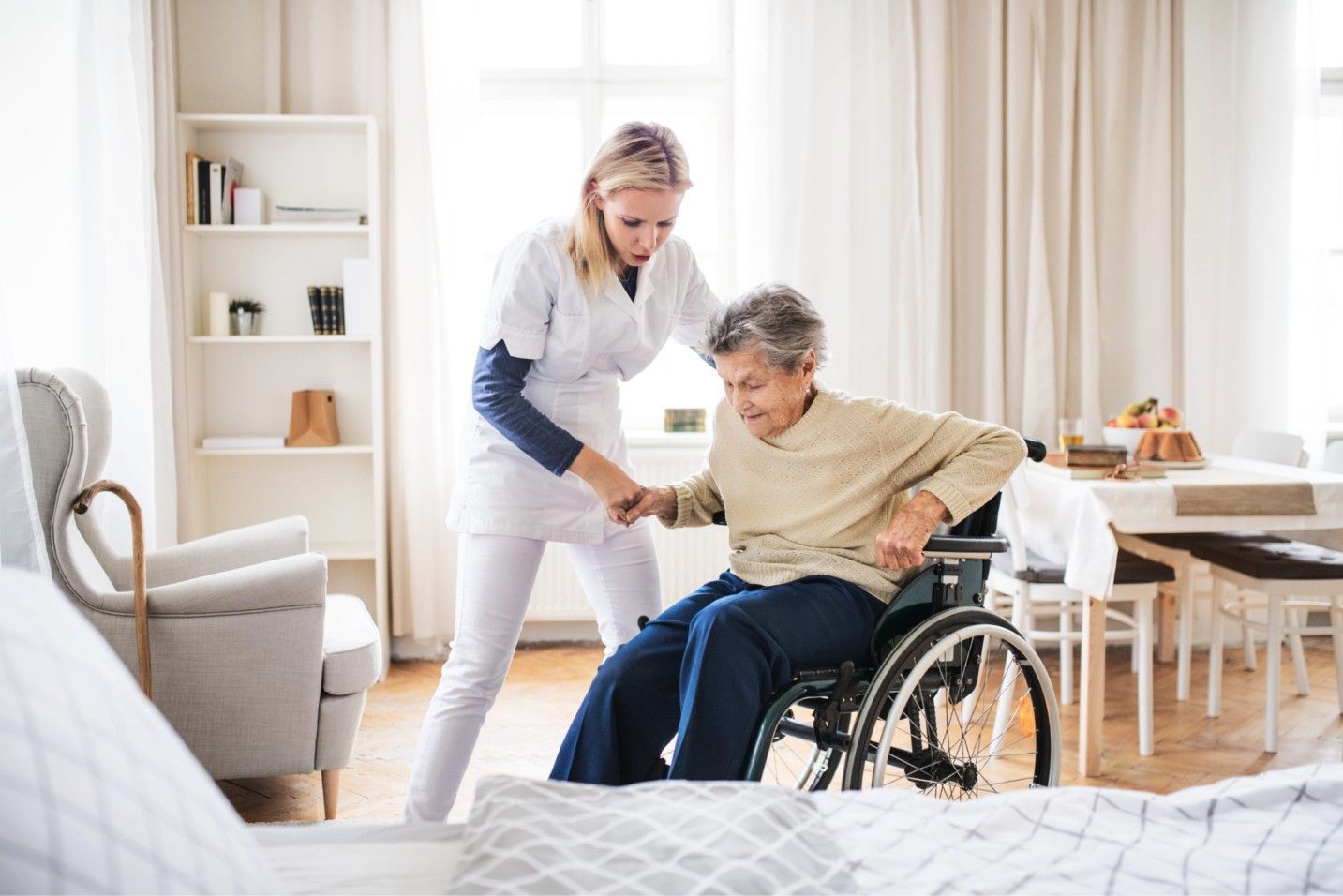
Caregiving often involves physical tasks such as lifting, assisting with mobility, and managing household responsibilities. These tasks can lead to physical fatigue and injury if caregivers do not have adequate support.
Physical exhaustion reduces resilience to stress and increases vulnerability to burnout. When caregivers neglect their own physical health, the effects can compound over time.
Balancing physical demands with rest and proper body mechanics is an important aspect of self care for caregivers.
The Role of Self Care for Caregivers
Self care for caregivers is essential rather than optional. It supports physical health, emotional balance, and mental clarity. Without intentional self care, caregivers may struggle to sustain their role over time.
Self care does not require large blocks of time. Small consistent practices can help reduce stress and restore energy. These practices may include rest, movement, or quiet reflection.
Caregiver stress management improves when self care is viewed as part of caregiving rather than a separate activity.
Practical Self Care Strategies
Self care for caregivers can be supported through manageable daily practices.
- Scheduling regular rest periods
- Maintaining basic nutrition and hydration
These simple strategies help stabilize energy levels and reduce fatigue.
Building a Support Network
Isolation increases the risk of caregiver burnout. Many caregivers feel they must handle responsibilities alone, which can intensify stress. Building a support network helps distribute responsibilities and provides emotional relief.
Support may come from family members, friends, or community resources. Sharing experiences with others facing similar challenges reduces feelings of isolation.
Supportive services such as companionship for elderly are often discussed as ways to enhance social interaction and reduce caregiver strain.
Caregiver Stress Management Through Boundaries
Establishing boundaries is a key component of caregiver stress management. Boundaries help caregivers define what they can realistically provide without compromising their own health.
Boundaries may include setting limits on availability or delegating tasks. Clear communication with family members helps ensure shared understanding and cooperation.
When caregivers respect their own limits, they are better able to provide consistent and compassionate care.
The Importance of Respite and Home Care Assistance
Home care assistance provides temporary relief for caregivers. Respite allows caregivers to step away from responsibilities and recharge. This break can prevent stress from reaching critical levels.
Home care assistance may involve help with personal care, household tasks, or supervision. Even short periods of support can significantly reduce caregiver burnout risk.
Caregiver stress management improves when respite is planned proactively rather than used only during crises.
Benefits of Home Care Assistance
Home care assistance offers meaningful support for caregivers.
- Reduced physical and emotional strain
- Increased time for personal recovery
These benefits support long term caregiving sustainability.
Steps to Reduce Caregiver Burnout
Caregivers can reduce burnout risk through intentional strategies.
- Acknowledge stress and seek support early
- Establish routines that include personal time
- Use available home care assistance resources
These steps help balance caregiving responsibilities with personal well being.
Supporting Aging Parents Without Losing Balance
Supporting aging parents does not require sacrificing personal health. Caregiver burnout often develops when caregivers neglect their own needs for extended periods.
Maintaining balance involves recognizing that effective caregiving depends on caregiver well being. When caregivers are rested and supported, they are better equipped to respond to challenges.
Caregiver stress management benefits from realistic expectations and shared responsibility.
Emotional Resilience and Long Term Caregiving
Long term caregiving requires emotional resilience. Resilience develops through coping skills, social connection, and self awareness. Caregivers who invest in resilience are better prepared for ongoing challenges.
Emotional resilience allows caregivers to adapt to changing care needs without becoming overwhelmed. This adaptability reduces the risk of burnout.
Caregiving for Veterans and Specialized Needs
Some aging parents may have unique care needs related to military service. Understanding available resources helps caregivers navigate these responsibilities more effectively.
Support programs and specialized care options can reduce caregiver burden while addressing specific needs. Awareness of available services improves caregiver stress management.
In discussions of tailored care, resources such as veteran in home care services are often referenced as part of comprehensive support planning.
Maintaining Identity Beyond Caregiving
Caregiving can become all consuming if caregivers lose touch with their own identity. Maintaining personal interests and relationships supports mental health.
Engaging in hobbies or social activities reinforces a sense of self beyond the caregiver role. This balance is essential for preventing caregiver burnout.
Caregiver stress management improves when caregivers maintain connection to their personal values and goals.
Recognizing When Additional Support Is Needed
There may be times when caregiving demands exceed what family caregivers can manage alone. Recognizing this need is a sign of awareness rather than failure.
Seeking additional support helps protect both caregivers and aging parents. Timely assistance can prevent burnout and ensure consistent care quality.
Final Recommendation
Caregiver burnout is a common and understandable response to sustained caregiving demands. Through caregiver stress management, self care for caregivers, and appropriate home care assistance, caregivers can maintain balance while supporting aging parents. Understanding personal limits and using available resources helps create a sustainable caregiving approach that supports both caregiver and parent well being.
Frequently Asked Questions
What is caregiver burnout?
Caregiver burnout is a state of physical, emotional, and mental exhaustion caused by prolonged caregiving stress.
How can caregiver stress management help?
Caregiver stress management helps reduce overwhelm by promoting balance, boundaries, and support.
Why is self care for caregivers important?
Self care supports energy, emotional stability, and long term caregiving capacity.
When should home care assistance be considered?
Home care assistance should be considered when caregiving demands exceed available personal resources.
Can caregiver burnout be prevented?
While stress is unavoidable, caregiver burnout risk can be reduced through support, rest, and proactive planning.