How Structured Care Improves Quality of Life for Alzheimer’s Patients

Introduction Structured care plays a central role in supporting individuals living with Alzheimer’s disease by creating predictability in daily life. Consistent routines help reduce confusion and anxiety while supporting cognitive stability through repetition and familiarity. This approach allows caregivers to respond more effectively to changing needs and focuses on daily patterns that enhance safety and comfort. By reducing the uncertainty that often accompanies memory loss, individuals are better able to maintain dignity and independence for as long as possible. It also provides clear guidance for caregivers managing complex care needs, particularly in in-home settings where the home becomes the primary care environment. Understanding how this approach functions helps explain its strong connection to improved quality of life for people living with Alzheimer’s disease.
Understanding Alzheimer’s Disease and Daily Challenges
Alzheimer’s disease affects memory, reasoning, and the ability to perform daily tasks. As the condition progresses, individuals may experience difficulty recognizing familiar environments or following simple routines. These changes can lead to frustration, agitation, and withdrawal.
Structured care helps address these challenges by creating an environment where expectations remain consistent. Familiar schedules and surroundings reduce cognitive load and help individuals feel more secure. Alzheimer’s in-home care often relies on structured care to adapt the living space and daily schedule to the individual’s abilities.
Discussions around coordinated services often reference the role of a home health care agency in supporting structured care planning and oversight.
The Importance of Routine in Alzheimer’s In Home Care
Patient routine is a foundational element of structured care. Predictable daily schedules help individuals with Alzheimer’s understand what comes next without relying heavily on memory. Routine supports emotional regulation by reducing unexpected changes.
In Alzheimer’s in-home care, routines may include consistent times for waking, meals, activities, and rest. Repetition reinforces familiarity, which can help individuals retain functional abilities longer. Even as cognitive decline progresses, familiar routines often remain comforting.
Patient routine also supports caregivers by providing a clear framework for daily responsibilities. This structure helps caregivers anticipate needs and respond proactively rather than reactively.
Structured Care and Emotional Well Being
Emotional well being is closely linked to the level of predictability in daily life. Sudden changes or unfamiliar situations can trigger anxiety or agitation in individuals with Alzheimer’s disease. Structured care reduces these triggers by maintaining consistency.
Calm environments and predictable interactions help foster trust between patients and caregivers. Over time, this trust can reduce behavioral symptoms such as restlessness or resistance to care.
Structured approaches are often compared with specialized settings such as memory care facilities that emphasize routine and familiarity as core care principles.
Memory Care Activities and Cognitive Engagement
Memory care activities are an important component of structured care. These activities are designed to match the individual’s cognitive abilities while promoting engagement and purpose. Structured scheduling of activities helps individuals anticipate and participate more willingly.
Memory care activities may include simple tasks, music, or guided conversation. The goal is not to challenge memory but to support remaining abilities. When activities occur at consistent times, they become part of the daily rhythm.
Structured care ensures that activities are balanced with rest periods. Overstimulation can be as challenging as under engagement, making thoughtful planning essential.
Physical Safety Through Structured Care
Safety concerns increase as Alzheimer’s disease progresses. Disorientation and impaired judgment can lead to falls or wandering. Structured care addresses these risks by organizing the environment and daily activities.
Clear pathways, labeled spaces, and consistent routines reduce confusion. Structured supervision during activities further enhances safety. In Alzheimer’s in-home care, safety planning is integrated into daily routines rather than treated as a separate task.
Core Elements of Structured Care
Structured care relies on several foundational elements that support daily function.
Consistent daily schedules
Familiar environments with minimal change
These elements work together to reduce cognitive strain and promote comfort.
Support Strategies for Caregivers
Support strategies are essential for maintaining structured care over time. Caregivers face emotional and physical demands that require planning and flexibility. Structured care helps caregivers manage these demands by establishing clear expectations.
Support strategies may include scheduled breaks, shared responsibilities, and clear documentation of routines. When caregivers understand the structure, they can provide more consistent care even during stressful situations.
Education and guidance also play a role. Understanding how Alzheimer’s affects behavior helps caregivers respond with patience rather than frustration.
Structured Care and Personal Identity
Maintaining a sense of identity is important for quality of life. Structured care supports identity by incorporating personal preferences into routines and activities. Familiar objects, music, and daily rituals help reinforce a sense of self.
Even small choices, such as clothing selection or preferred activities, contribute to dignity. Structured care provides a framework within which these choices can be safely offered.
Benefits of Patient Routine
A consistent patient routine offers several benefits.
- Reduced anxiety and agitation
- Improved cooperation with daily tasks
These benefits support both emotional and physical well being.
How Structured Care Supports Quality of Life
Structured care improves quality of life through interconnected approaches.
- Establishing predictable routines that reduce confusion
- Supporting engagement through memory care activities
- Enhancing safety and emotional stability
Together, these approaches create a supportive care environment.
Adapting Structured Care Over Time
Alzheimer’s disease is progressive, and care needs change over time. Structured care must be adaptable while maintaining consistency. Adjustments may involve simplifying routines or modifying activities.
Flexibility within structure allows caregivers to respond to new challenges without abandoning familiar patterns. This balance is critical for long term care success.
Alzheimer’s In Home Care and Family Involvement
Family involvement is often central to Alzheimer’s in-home care. Structured care helps families coordinate responsibilities and communicate effectively. Clear routines reduce misunderstandings and promote consistency among caregivers.
When family members understand the structure, transitions between caregivers become smoother. This continuity supports patient comfort and trust.
The Role of Environment in Structured Care
The physical environment influences how structured care functions. Organized spaces with clear visual cues support independence and reduce frustration. Clutter and frequent rearrangement can disrupt orientation.
Structured care encourages maintaining familiar layouts and minimizing unnecessary changes. This environmental stability reinforces daily routines.
Supporting Dignity Through Personal Care
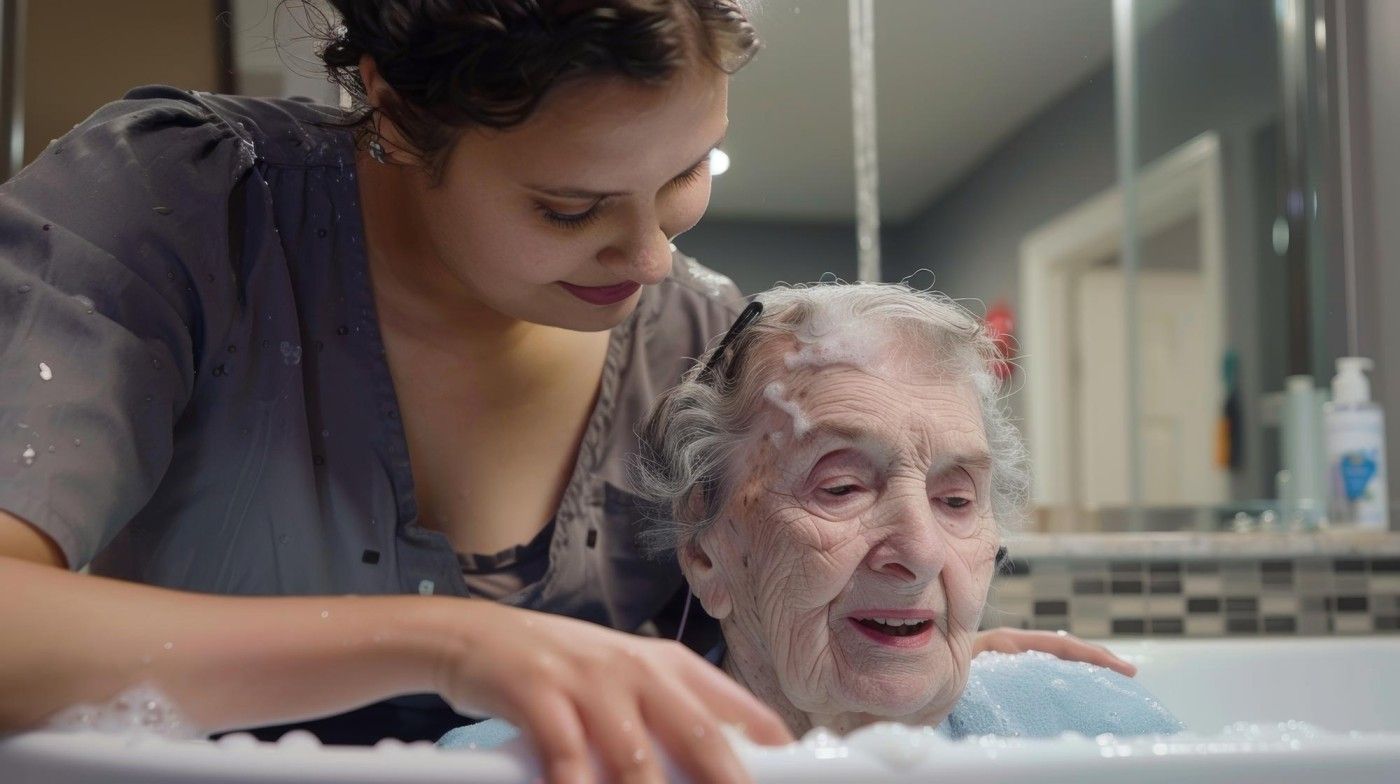
Personal care tasks such as bathing and dressing can become challenging. Structured care supports dignity by scheduling these tasks at consistent times and using familiar approaches.
Respectful communication and patience are essential. Over time, predictable personal care routines may reduce resistance and distress.
Discussions of daily assistance often include the importance of personal care for elderly individuals as part of structured Alzheimer’s in-home care.
Structured Care and Long Term Outcomes
While structured care does not alter the progression of Alzheimer’s disease, it can influence daily experiences. Reduced stress and improved emotional stability contribute to better quality of life.
Structured care also supports caregivers by reducing uncertainty and burnout. Clear routines and support strategies help sustain care efforts over time.
Final Recommendation
Structured Care provides a framework that supports safety, emotional well being, and dignity for individuals living with Alzheimer’s disease. Through consistent patient routine, thoughtfully planned memory care activities, and effective support strategies, structured care enhances daily life in Alzheimer’s in-home care settings. Understanding the role of structured care helps families and caregivers make informed decisions that prioritize comfort and stability throughout the care journey.
Frequently Asked Questions
What is structured care in Alzheimer’s support?
Structured care involves consistent routines, familiar environments, and planned activities that reduce confusion and anxiety.
How does patient routine help Alzheimer’s patients?
Patient routine provides predictability, which supports emotional stability and reduces stress.
What are memory care activities?
Memory care activities are structured tasks designed to engage remaining abilities without causing frustration.
Why is structured care important in Alzheimer’s in-home care?
Structured care helps maintain safety, comfort, and consistency in a familiar home environment.
Can structured care change over time?
Yes. Structured care can be adapted as needs change while maintaining consistent patterns.