In-Home Caregivers: Smart Questions California Families Ask Before Making a Hiring Decision
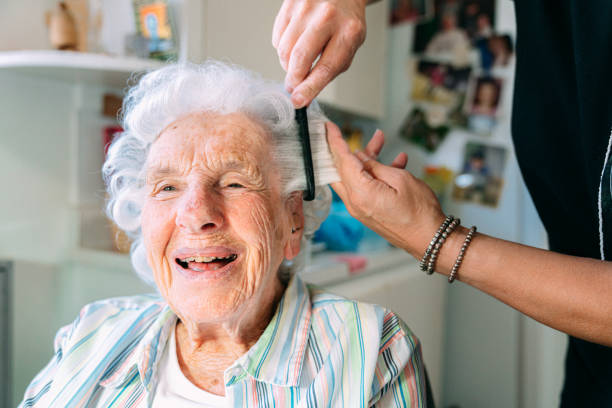
Choosing In-Home Caregivers for a loved one is one of the most important decisions a family can make. Whether your parent needs daily assistance, companionship, mobility support, or help with personal care, the person entering your home will play a significant role in your loved one's well-being and quality of life.
Many families begin their search feeling overwhelmed. They know they need support but are unsure what questions to ask, which qualifications matter most, and how to evaluate whether a caregiver is the right fit. At Akahina Home Care, we regularly speak with families who are navigating these concerns for the first time and looking for trusted guidance to make informed care decisions with confidence.
The good news is that a structured hiring process can help you make a confident decision. By using a thoughtful caregiver interview checklist and understanding California-specific considerations, families can identify qualified professionals who provide safe, compassionate, and reliable care.
Why Asking the Right Questions Matters
A caregiver's resume may look impressive, but qualifications alone do not guarantee compatibility. The ideal caregiver combines professional skills with communication, empathy, patience, and reliability.
When interviewing potential In-Home Caregivers, families should focus on both technical abilities and interpersonal qualities. This balanced approach helps ensure the caregiver can meet daily care needs while building trust with the individual receiving care.
In addition, asking detailed questions can reveal how caregivers handle challenging situations, communicate with families, and adapt to changing care requirements.
Understanding Your Family's Care Needs First
Before conducting interviews, create a clear picture of the support required.
Consider:
- Personal care assistance
- Meal preparation
- Medication reminders
- Transportation assistance
- Mobility support
- Dementia care
- Companion care
- Household tasks
- Post-hospital recovery support
Having a written caregiver duties list allows you to explain expectations clearly and compare candidates fairly.
Create a Care Priority List
Ask yourself:
- What daily tasks require assistance?
- Are there mobility concerns?
- Is memory loss a factor?
- Does the individual require supervision?
- Are there special dietary needs?
- What schedule is needed?
This preparation helps you identify candidates with the most relevant experience.
Questions About Experience and Background
Experience remains one of the strongest indicators of preparedness.
1.Ask About Previous Caregiving Roles
Consider asking:
- How long have you worked as a caregiver?
- What types of clients have you supported?
- Have you worked with seniors facing similar challenges?
- What responsibilities did you handle daily?
The answers can help determine whether the caregiver's experience aligns with your family's needs.
2.Discuss Specialized Care Experience
Some seniors require advanced support.
Ask:
- Have you worked with individuals with dementia?
- Are you familiar with Parkinson's disease care?
- Have you assisted with mobility limitations?
- What experience do you have supporting stroke recovery?
Specialized knowledge often contributes to more effective and confident care.
Questions About Caregiver Qualifications CA Families Should Verify
California families should take time to review professional credentials and training.
1.Ask About Relevant Certifications
Potential questions include:
- What caregiver training have you completed?
- Do you have CPR certification?
- Have you completed first aid training?
- What continuing education courses have you attended?
While certification requirements vary, ongoing training demonstrates commitment to professional growth.
2.Discuss Ongoing Learning
Healthcare practices evolve regularly.
Ask:
- How do you stay informed about caregiving best practices?
- Have you attended recent caregiver training programs?
- What new caregiving skills have you developed?
Caregivers who pursue education often bring valuable knowledge to their role.
Questions About Background Checks Caregivers Should Expect
Trust is a critical part of any caregiving relationship.
1.Verify Screening Procedures
Families should discuss:
- Have you completed a professional background check?
- Can references verify your employment history?
- Have you worked through licensed home care organizations?
Conducting proper screening helps reduce risks and supports informed decision-making.
2.Ask for References
Reference checks remain one of the most effective evaluation tools.
Questions for references may include:
- Was the caregiver dependable?
- How did they communicate?
- Were they punctual?
- Would you hire them again?
Past performance often provides valuable insight into future reliability.
Questions About Daily Care Responsibilities
A clear caregiver duties list helps avoid misunderstandings later.
Explore Daily Support Capabilities
Ask:
- Which personal care tasks are you comfortable assisting with?
- Can you help with meal preparation?
- Do you provide transportation support?
- Are light housekeeping tasks included?
Specific answers help determine whether expectations align.
1.Discuss Boundaries and Limitations
Every caregiver has professional boundaries.
Ask:
- Are there tasks you do not perform?
- What situations require additional support?
- When would you recommend professional medical assistance?
Understanding limitations helps families build realistic care plans.
Questions About Communication Style
Strong communication creates better outcomes for everyone involved.
1.How Do You Communicate With Families?
Ask:
- How often do you provide updates?
- What communication methods do you prefer?
- How do you document changes in condition?
- How would you notify us of concerns?
Consistent communication builds trust and accountability.
2.Handling Difficult Conversations
Caregiving often involves sensitive situations.
Ask:
- How do you address resistance to care?
- How do you manage family concerns?
- What would you do if you noticed health changes?
These responses reveal professionalism and problem-solving abilities.
Questions About Emergency Preparedness
Unexpected situations can occur at any time.
1.Emergency Response Questions
Consider asking:
- How would you respond to a fall?
- What steps would you take during a medical emergency?
- Who would you contact first?
- Have you handled emergencies before?
Prepared caregivers typically respond more calmly and effectively under pressure.
2.Safety Awareness
Ask:
- How do you identify household safety risks?
- What measures help prevent falls?
- How do you encourage safe mobility?
Preventive thinking is an important caregiving skill.
Questions About Compatibility and Personality
Technical skills matter, but personal compatibility often determines long-term success.
1.Learn About Their Approach to Care
Ask:
- What inspired you to become a caregiver?
- How do you build trust with clients?
- What does compassionate care mean to you?
- How do you support independence?
These questions help reveal caregiving philosophy and values.
2.Observe Interactions
During the interview:
- Notice the communication style
- Evaluate listening skills
- Assess patience
- Observe professionalism
Sometimes behavior speaks more clearly than answers.
Warning Signs Families Should Watch For
During interviews, certain responses may indicate potential concerns.
Possible Red Flags
Be cautious if a candidate:
- Avoids questions about experience
- Cannot provide references
- Has an inconsistent employment history
- Appears rushed during interviews
- Provides vague answers
- Refuses background screening
These signs do not automatically disqualify a caregiver, but they deserve further discussion.
Building a Reliable Caregiver Interview Checklist
A structured caregiver interview checklist creates consistency during the hiring process.
Include sections for:
Experience
- Years of caregiving experience
- Specialized care background
- Previous client types
Qualifications
- Certifications
- Training programs
- Continuing education
Screening
- References
- Background checks
- Employment verification
Care Responsibilities
- Personal care
- Household assistance
- Transportation support
Communication
- Family updates
- Documentation practices
- Emergency reporting
A written evaluation process helps families compare candidates objectively.
Making the Final Decision
After completing interviews, review your notes carefully.
Consider:
- Qualifications
- Experience
- Communication skills
- Reliability
- Personality fit
- References
- Professionalism
The goal is not simply to find someone available. The goal is to find someone who can provide consistent, compassionate, and trustworthy support.
Families often find that the strongest candidate combines experience with genuine empathy and a willingness to understand the unique needs of the person receiving care.
Final Thoughts
Hiring In-Home Caregivers is not simply about filling a position. It is about choosing a trusted individual who will support the health, comfort, and independence of someone you care about deeply.
By using a detailed caregiver interview checklist, reviewing caregiver qualifications CA families value, verifying background checks that caregivers should complete, and clearly defining a caregiver's duties list, you can make a more informed and confident hiring decision.
If you are exploring in-home care options or have questions about creating the right care plan, contact Akahina Home Care today. We are here to guide you through the process and help you make confident decisions for your loved one's care and well-being.
Frequently Asked Questions
1. What qualifications should In-Home Caregivers have in California?
Qualifications vary depending on the level of care provided. Families should review training, certifications, CPR knowledge, experience, and references when evaluating candidates.
2. How important are background checks for caregivers?
Background checks are an important part of the caregiver screening process. They help families verify identity, employment history, and overall suitability for caregiving responsibilities.
3. What questions should I include in a caregiver interview checklist?
Ask about experience, certifications, emergency response procedures, communication style, availability, references, and daily caregiving responsibilities.
4. How many caregivers should I interview?
Interviewing multiple candidates allows families to compare qualifications, communication styles, and compatibility before making a final decision.
5. What should be included in a caregiver's duties list?
A caregiver's duties list should clearly outline personal care tasks, meal preparation, mobility assistance, companionship, transportation, medication reminders, and household support responsibilities.
6. How can families determine whether a caregiver is a good fit?
Beyond qualifications, families should evaluate communication skills, reliability, compassion, patience, and compatibility with the care recipient's personality and preferences.