Best Mobility Aids for Seniors at Home: A Complete Safety Guide
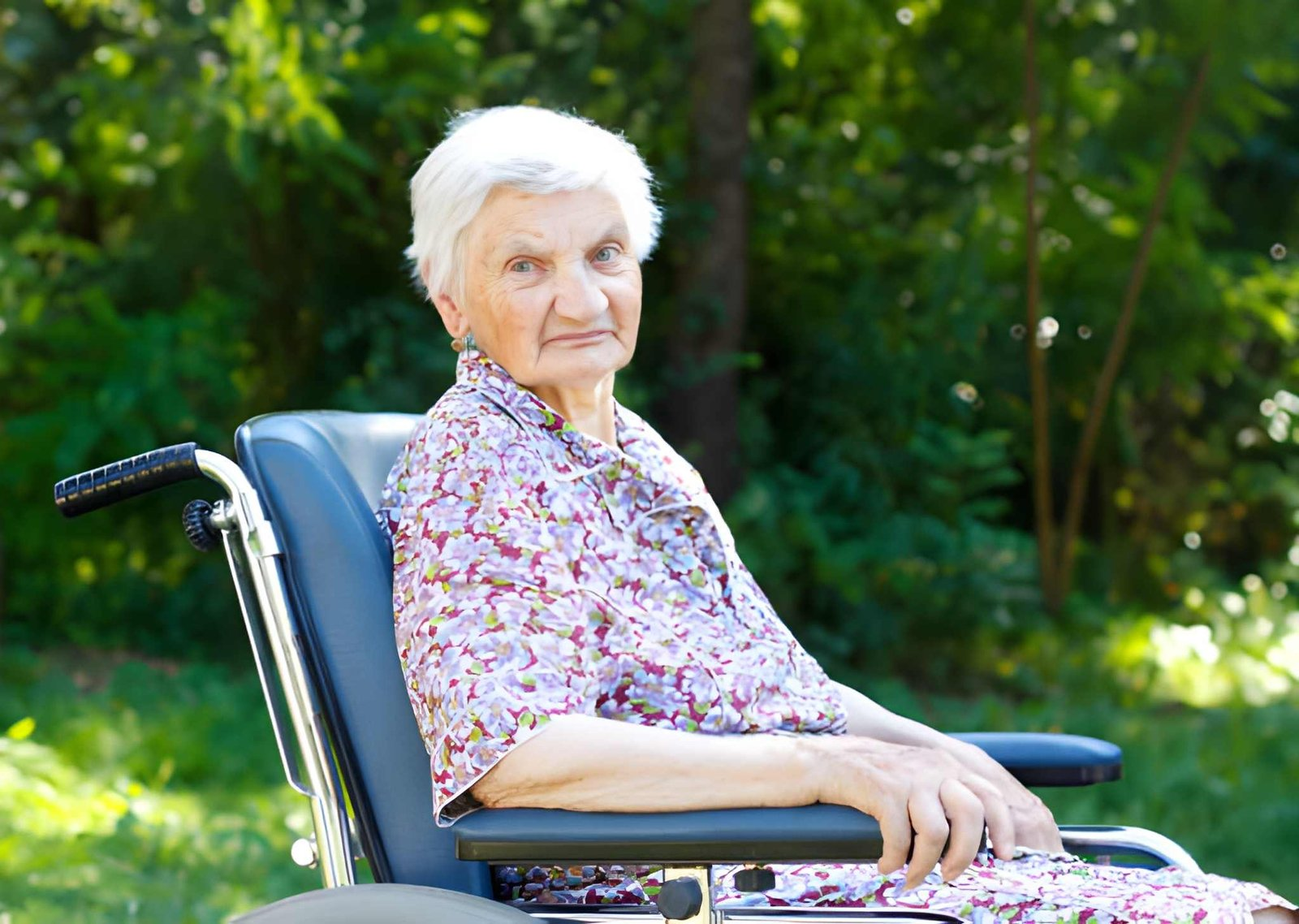
Mobility aids for seniors are not just tools. They are lifelines that support independence, safety, and confidence at home. What starts as a small hesitation while walking or standing can slowly turn into a serious fall risk if ignored.
Many families notice these changes but delay action. They assume it is a normal part of aging. However, the right support from Akahina Home Care at the right time can prevent injuries and improve daily life significantly.
Understanding which mobility aids work best and how to use them properly can help create a safer home environment for your loved ones.
Why Mobility Support Matters More Than You Think
Aging affects balance, strength, and coordination. Even simple movements such as getting out of bed or walking to the bathroom can become challenging.
Without proper support, these everyday actions increase the risk of falls. According to the Centers for Disease Control and Prevention, falls are one of the leading causes of injury among older adults.
Mobility aids for seniors reduce these risks by offering stability and support. In addition, they help seniors maintain independence and confidence in their own homes.
Early Signs That Mobility Aids Are Needed
Recognizing the need early can prevent serious accidents.
Slower Walking or Shuffling Steps
A noticeable change in walking speed or posture is often the first sign.
Holding Onto Furniture for Support
If your loved one relies on walls or furniture while walking, it indicates balance issues.
Difficulty Standing Up or Sitting Down
Struggling with basic movements signals reduced strength.
Fear of Falling
Avoiding movement due to fear is a major warning sign.
These signs indicate it is time to explore assistive devices that provide better stability and confidence.
Walkers vs Rollators: Which One Is Right
Choosing between walkers vs rollators can be confusing. Each serves a different purpose.
Standard Walkers
These provide maximum stability. They are ideal for seniors who need strong support while walking.
Rollators
Rollators come with wheels and often include a seat. They are suitable for seniors who can walk but need occasional support and rest.
Key Differences to Consider
Walkers offer more control, while rollators provide mobility and convenience. The right choice depends on balance, strength, and daily activity level.
Understanding these differences ensures the correct mobility aid is selected for safety and comfort.
Essential Bathroom Safety Equipment
The bathroom is one of the most dangerous areas in any home for seniors.
Grab Bars
Installed near toilets and showers, they provide support during movement.
Shower Chairs
These allow seniors to sit while bathing, reducing the risk of slipping.
Raised Toilet Seats
They make sitting and standing easier.
Non Slip Mats
These improve traction on wet surfaces.
Bathroom safety equipment plays a critical role in fall prevention and should never be overlooked.
Assistive Devices That Improve Daily Living
Beyond walkers and bathroom aids, several other devices can enhance safety.
Canes for Light Support
Ideal for mild balance issues.
Bed Rails
Provide support when getting in and out of bed.
Reachers and Grabbers
Help pick up items without bending.
Stair Lifts
Assist seniors in multi-level homes.
This list of assistive devices helps address different mobility challenges and supports independent living.
Home Modifications Seniors Need for Safer Living
Sometimes, mobility aids alone are not enough. Adjusting the home environment is equally important.
Improve Lighting
Well-lit spaces reduce the risk of tripping.
Remove Clutter
Clear pathways make movement easier and safer.
Install Ramps
Helpful for wheelchair or walker access.
Adjust Furniture Layout
Ensure there is enough space to move comfortably.
Home modifications seniors require are often simple yet highly effective in preventing accidents.
Fall Prevention Tools That Make a Difference
Preventing falls requires a combination of tools and awareness.
Anti-Slip Flooring
Reduces the chance of slipping.
Motion Sensor Lights
Improve visibility at night.
Wearable Alert Systems
Allow seniors to call for help if needed.
Proper Footwear
Supportive shoes improve balance and reduce risk.
Using fall prevention tools consistently can significantly improve safety at home.
How Professional Care Enhances Mobility Support
While equipment helps, professional care adds another layer of safety.
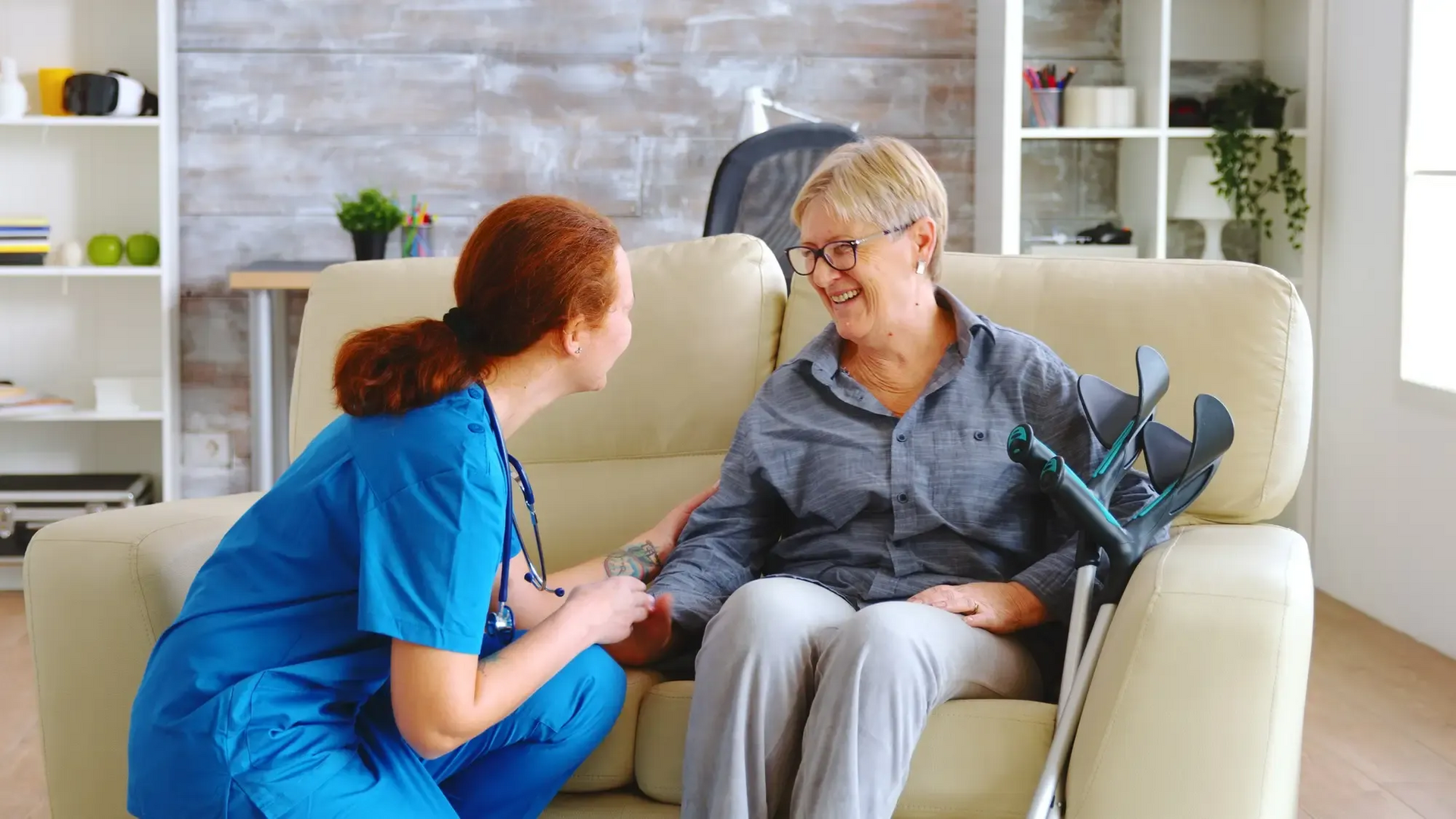
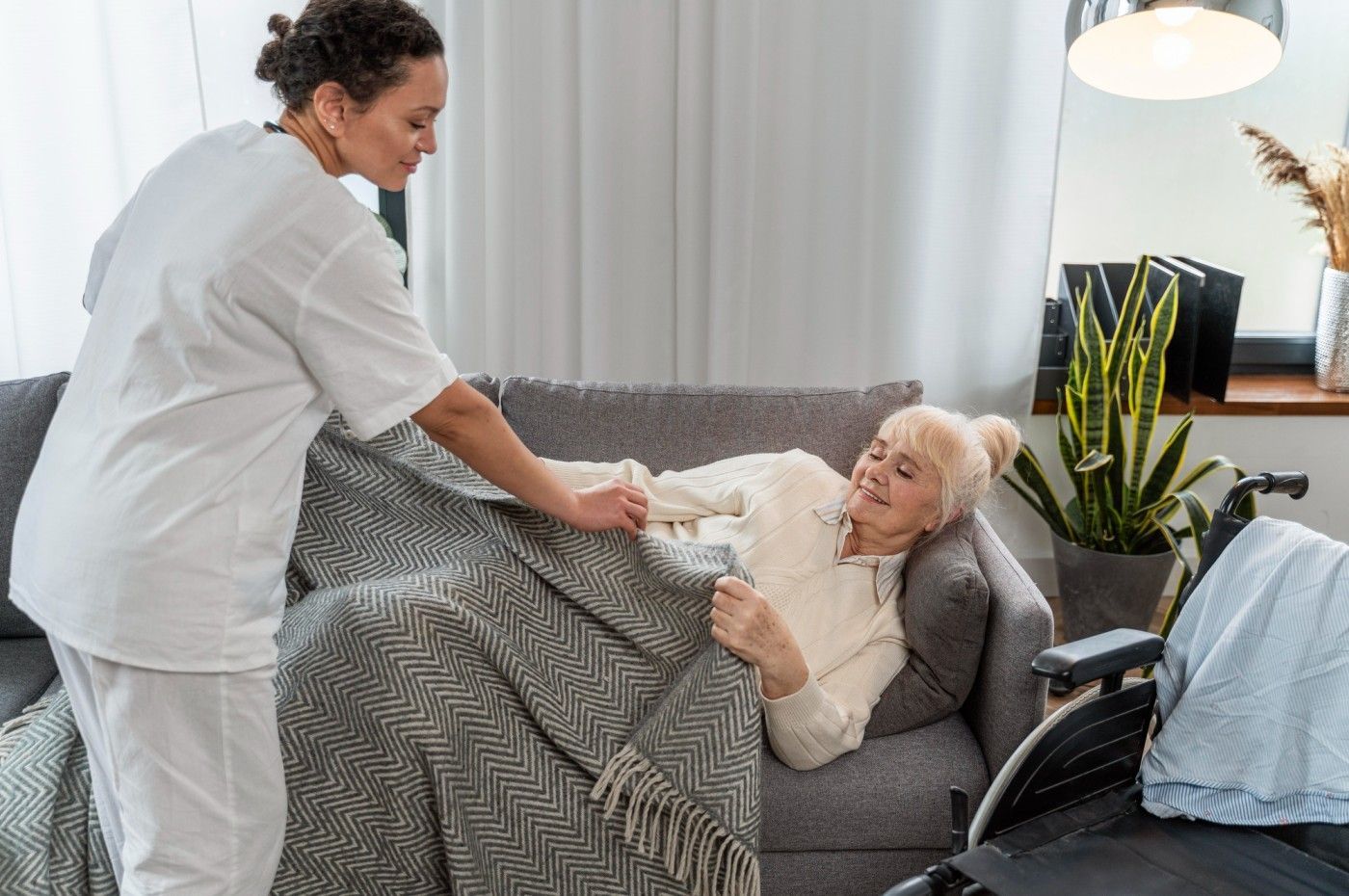
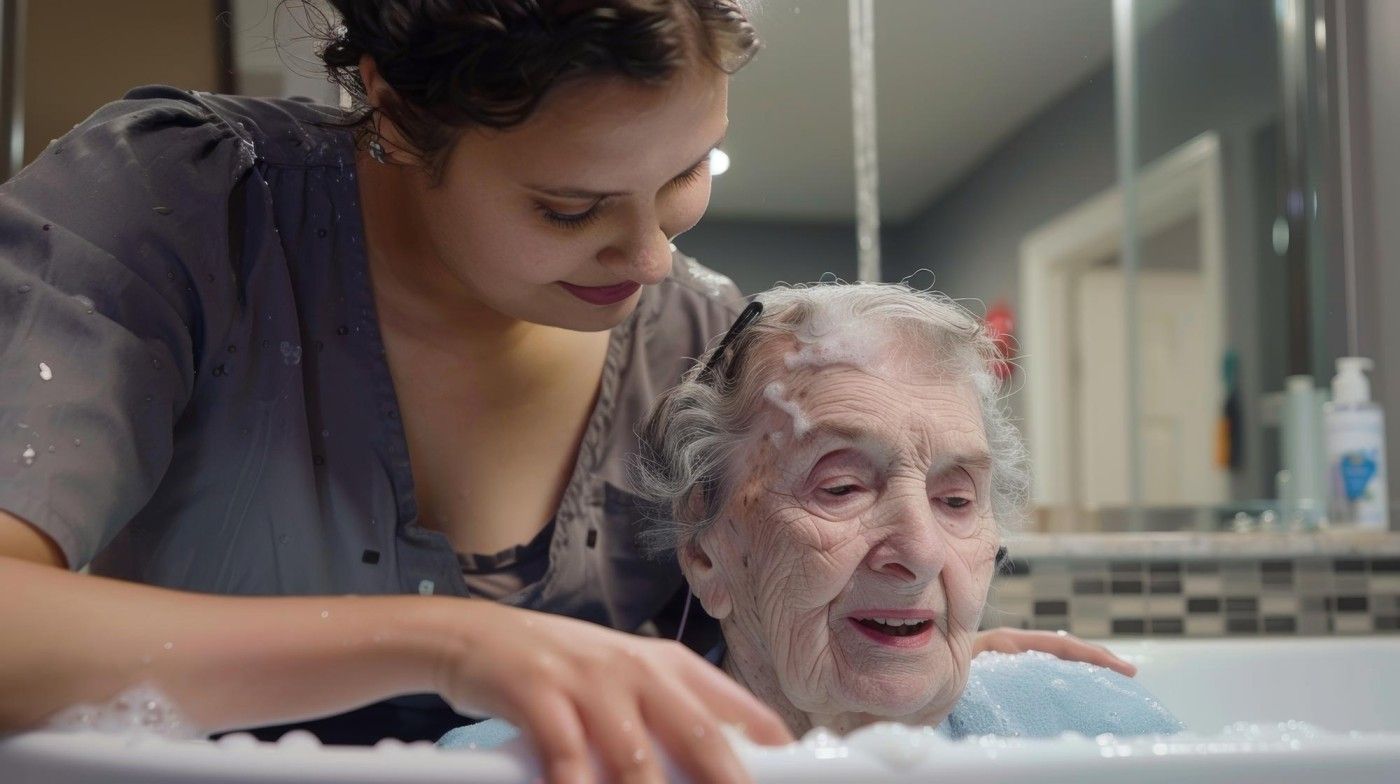
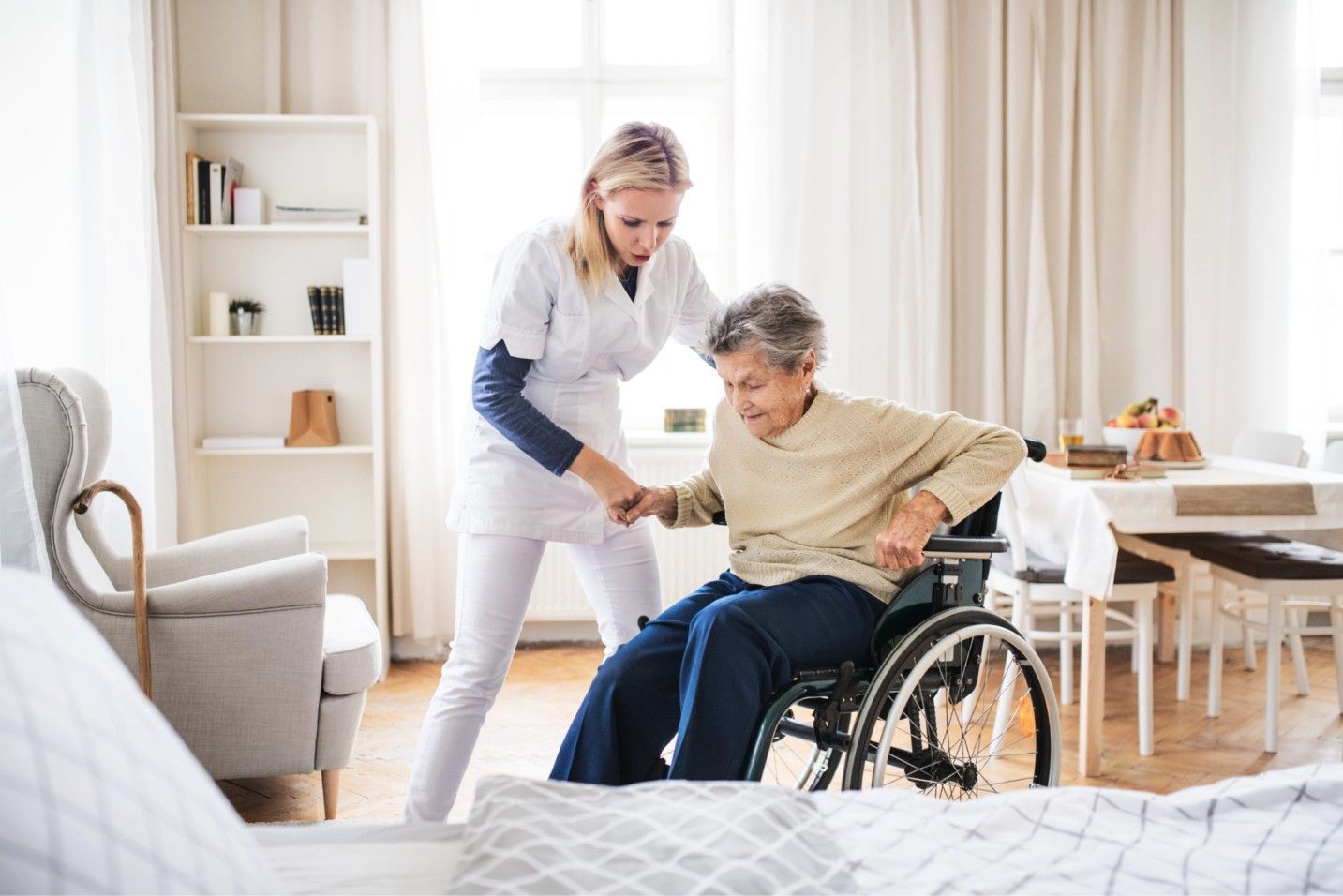
Caregivers assist with movement, monitor risks, and ensure proper use of mobility aids for seniors. They also provide companionship and emotional support.
Creating a Safe Daily Routine
Consistency is key to preventing accidents.
Encourage Regular Movement
Gentle activity maintains strength and balance.
Schedule Rest Periods
Avoid fatigue, which increases fall risk.
Keep Essentials Within Reach
Reduce unnecessary movement.
Monitor Changes
Adjust support as mobility needs evolve.
A structured routine supports both safety and independence.
Talking to Seniors About Mobility Aids
Introducing mobility aids can be sensitive.
Focus on Independence
Explain that these tools help maintain freedom.
Involve Them in Decisions
Let them choose the type of aid they prefer.
Be Patient
Acceptance may take time.
Highlight Safety Benefits
Emphasize how these tools prevent injuries.
This approach builds trust and encourages acceptance.
Final Thoughts
Mobility challenges do not appear overnight. They develop gradually, often unnoticed until a fall or injury occurs. Taking early action can prevent these risks and improve quality of life.
Mobility aids for seniors are essential tools that support independence and safety. When combined with the right home environment and professional care, they create a strong foundation for aging in place.
If you are noticing changes in movement or balance, do not wait.
Contact Akahina Home Care to explore personalized mobility support and create a safer home environment for your loved one.
FAQ
1. What are the best mobility aids for seniors at home?
The best option depends on the individual’s needs. Walkers, rollators, and grab bars are among the most effective.
2. How do I choose between a walker and a rollator?
Walkers provide more stability, while rollators offer mobility and convenience. The choice depends on balance and strength.
3. Are home modifications necessary along with mobility aids?
Yes, combining mobility aids with home adjustments improves safety significantly.
4. Can mobility aids prevent falls completely?
They reduce risk but do not eliminate it. Proper use and supervision are also important.
5. When should I consider professional home care?
If mobility challenges increase or safety becomes a concern, professional care is recommended.