

When Memory Changes Daily Life: How Dementia Care Services
Sandra Alvarez • March 4, 2026

Dementia care services in California play an important role in helping families support loved ones experiencing memory loss and cognitive decline. When someone begins to struggle with memory, routine tasks, or communication, families often feel uncertain about how to provide the right care.
Memory conditions can change daily life for both seniors and their families. Simple activities may become confusing or overwhelming. As these challenges grow, families start looking for safe and supportive solutions that allow their loved ones to remain comfortable at home. Providers like Akahina Home Care
offer compassionate in-home support designed to help families manage the challenges of dementia with confidence and care.
In many situations, professional in-home care provides the stability and assistance needed to maintain dignity and quality of life. With trained caregivers and structured support, dementia care services in California help families navigate the complex journey of memory loss.
Understanding Dementia and How It Affects Daily Living
Dementia is not a single condition. Instead, it describes a group of symptoms that affect memory, thinking ability, and behavior.
These symptoms often develop gradually. At first, a person may forget appointments or misplace items. Over time, they may experience confusion about familiar places or routines.
The impact of dementia goes beyond memory alone. It can also affect judgment, communication, and emotional well-being. Because of these changes, individuals may need increasing levels of support with daily activities.
Families often notice that their loved one needs help with tasks such as preparing meals, managing medication, or maintaining a consistent routine. This is where memory loss help at home becomes essential.
The Role of In-Home Dementia Care
In-home dementia care allows individuals to remain in a familiar environment while receiving the assistance they need.
For many seniors, home is a place filled with memories, comfort, and security. Remaining in this environment can reduce anxiety and confusion.
Professional caregivers provide structured assistance while respecting the individual's independence and dignity.
Common services include:
- Assistance with daily routines
- Meal preparation and nutrition support
- Medication reminders
- Personal hygiene assistance
- Companionship and emotional support
These services are designed to adapt as the stages of dementia care evolve.
Families often feel relief knowing that their loved one receives attentive care while remaining in the place they know best.
Alzheimer’s Care at Home: Specialized Support for Memory Conditions
Alzheimer’s disease is one of the most common causes of dementia. Individuals living with Alzheimer’s often experience progressive memory loss and cognitive changes.
Alzheimer’s care at home focuses on creating safe routines and supportive environments that reduce confusion and stress.
Caregivers trained in dementia support understand how to communicate effectively with individuals experiencing memory loss.
For example, they may use calm language, simple instructions, and familiar routines to encourage cooperation and comfort.
In addition, caregivers monitor changes in behavior or health and communicate these observations to family members.
This type of attentive care helps ensure that seniors continue to feel safe and supported throughout their journey.
The Stages of Dementia Care and Changing Needs
The stages of dementia care vary from person to person. However, most individuals experience gradual changes that require different levels of support over time.
In the early stage, individuals may still live independently but benefit from reminders and occasional assistance.
During the middle stage, memory challenges become more noticeable. Individuals may require regular supervision and help with daily activities.
In the later stage, full-time support is often needed to ensure safety, comfort, and proper care.
Dementia caregiver support programs are designed to adapt to these evolving needs.
Professional caregivers help maintain routines while providing compassionate care that respects each individual's dignity.
Why Families Often Choose Professional Dementia Caregiver Support
Caring for a loved one with dementia can be emotionally and physically demanding. Family caregivers often balance work responsibilities, personal commitments, and caregiving duties.
Over time, the stress of managing these responsibilities can lead to exhaustion and burnout.
Professional dementia caregiver support provides relief and guidance during this challenging period.
Caregivers assist with daily tasks while also offering companionship and emotional reassurance to seniors.
For families, this support creates peace of mind knowing that their loved one receives attentive and professional care.
It also allows family members to spend meaningful time with their loved one rather than focusing only on caregiving responsibilities.
How Memory Loss Help at Home Improves Quality of Life
Receiving memory loss help at home can significantly improve the quality of life for individuals living with dementia.
A consistent environment helps reduce confusion and anxiety. Familiar surroundings often help individuals maintain a sense of independence and identity.
Caregivers also help establish daily routines that support physical and emotional well-being.
These routines may include:
- Gentle exercise or movement activities
- Regular meal times and balanced nutrition
- Social interaction and conversation
- Mental stimulation through simple activities
Maintaining these routines encourages a sense of stability and comfort.
For many seniors, this stability becomes an essential part of their overall well-being.
Choosing the Right Dementia Care Services California Provider
Selecting the right provider for dementia care services California
is an important decision for families.
The right care provider focuses not only on safety but also on compassion and respect.
Families should look for caregivers who are trained in dementia support and understand how to communicate effectively with individuals experiencing memory loss.
A quality provider will also develop personalized care plans based on the unique needs of each individual.
These plans may include assistance with daily activities, emotional support, and structured routines that promote stability.
Akahina Home Care offers dementia caregiver support services designed to help seniors remain comfortable and secure in their own homes.
The Emotional Impact of Dementia on Families
Dementia not only affects the individual experiencing memory loss. It also has a profound emotional impact on families.
Watching a loved one struggle with memory and communication can be heartbreaking.
Family members may experience feelings of stress, uncertainty, or sadness as they adjust to changing roles.
Dementia care services in California help families navigate these challenges with guidance and professional support.
Caregivers not only assist seniors but also provide reassurance and advice for family members.
Building a Safe and Supportive Home Environment
Creating a safe home environment is an essential part of dementia care.
Caregivers often help families make small adjustments that improve safety and comfort.
These adjustments may include organizing living spaces, simplifying daily routines, and ensuring clear pathways within the home.
Simple changes can make daily life easier and reduce confusion.
For example, consistent routines help individuals feel more secure and less anxious.
When seniors feel safe and supported, they are more likely to maintain emotional stability and overall well-being.
Final Thoughts
Dementia care services in California provide essential support for families navigating the challenges of memory loss and cognitive decline. Through professional in-home care, individuals living with dementia can remain in familiar surroundings while receiving compassionate assistance tailored to their needs.
From Alzheimer’s care at home to structured daily routines and emotional companionship, professional caregivers help create stability and comfort during a difficult journey. Families gain reassurance knowing their loved one receives attentive care while maintaining dignity and independence.
Akahina Home Care is committed to supporting families through compassionate dementia caregiver support services. If your loved one is experiencing memory loss and requires additional care at home, contact Akahina Home Care today
to learn how personalized dementia care services in California can help your family provide safe and meaningful support.
Frequently Asked Questions
1. What are dementia care services in California?
Dementia care services in California provide specialized support for individuals experiencing memory loss or cognitive decline. These services include in-home assistance, daily care support, and companionship.
2. What is Alzheimer’s care at home?
Alzheimer’s care at home involves trained caregivers assisting individuals living with Alzheimer’s disease within their own home environment. This care focuses on safety, routine, and emotional support.
3. When should families consider dementia caregiver support?
Families often seek dementia caregiver support when a loved one begins struggling with daily activities, memory confusion, or safety concerns at home.
4. How does memory loss help at-home benefit seniors?
Memory loss help at home allows seniors to remain in a familiar environment while receiving professional assistance with daily tasks, routines, and emotional support.
5. Are dementia care services suitable for all stages of dementia?
Yes. Dementia care services can be adjusted to meet the needs of individuals at different stages of dementia care, from early memory challenges to more advanced support needs.

Comparing memory loss facilities? Learn how to evaluate care options, costs, safety, and support services to make the right decision for a loved one.
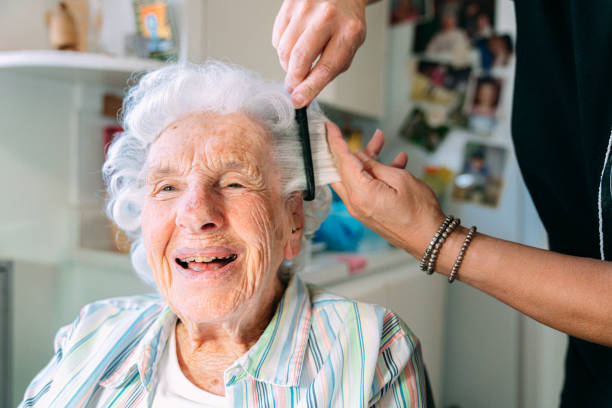
Hiring In-Home Caregivers in California? Use this practical guide to ask the right questions, verify qualifications, and choose trusted care.

Discover the best mobility aids for seniors to improve safety at home. Learn practical tips from Akahina Home Care for fall prevention and support.

Learn early warning signs that signal need for dementia care services California families trust. Expert guidance from Akahina Home Care.

Home care services in California by Akahina Home Care offer safe in home senior care, private caregivers, and support for aging in place.

24 Hour Home Care from Akahina Home Care helps families support seniors with safety, supervision, and recovery when signs of care needs increase.

Discover mobility aids for seniors that improve safety and independence at home. Learn about walkers, mobility devices, and fall prevention support.
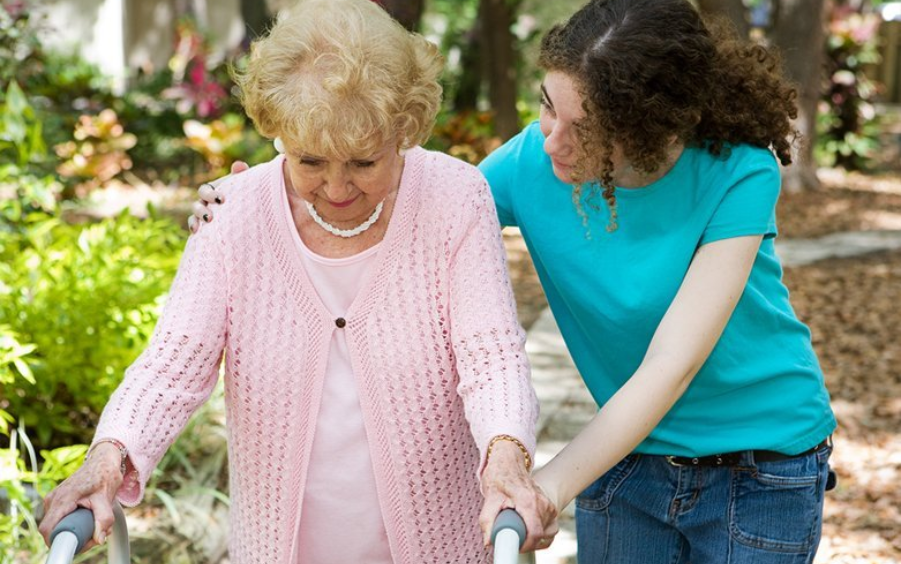
Learn practical caregiver stress management strategies to prevent caregiver burnout while supporting aging parents through balanced care.

Learn how structured care supports Alzheimer’s in-home care by improving routines, memory care activities, and daily support strategies.

Family Caregiver responsibilities are both rewarding and demanding. Providing care for a loved one requires significant time, emotional energy, and physical effort. While the commitment is often rooted in love and concern, the demands of caregiving can take a toll over time. Respite care is a solution designed to support caregivers by offering temporary relief from daily caregiving duties. Understanding how respite care works and its benefits is essential for caregivers seeking sustainable ways to balance their responsibilities and maintain their own wellbeing. Respite care for caregivers is a service that provides short term support, allowing family caregivers to take breaks while ensuring their loved ones receive quality care. This can range from a few hours to several days, depending on individual needs. Short term care services are especially valuable for preventing caregiver burnout and promoting emotional and physical health. The Importance of Respite Care for Family Caregivers Family Caregivers often face high levels of stress, which can lead to fatigue, irritability, and even health complications. Without breaks, the demands of caregiving can become overwhelming. Respite care provides time to rest, attend personal appointments, or engage in activities that support mental health. Short-term care allows caregivers to recharge and return to their duties with renewed energy. This type of support benefits both the caregiver and the person receiving care. Many caregivers find that having scheduled breaks improves their ability to provide consistent, compassionate care. For those seeking guidance on practical care options, services like elderly assistance at home can offer insight into structured care programs and flexible scheduling. Types of Respite Care Respite care comes in several forms, allowing caregivers to select options that best fit their family’s needs. The most common types include: In-home respite care: Professional caregivers visit the home to provide temporary care, allowing the family caregiver to step away. Adult day programs: Daytime care centers provide structured activities and supervision for seniors, offering caregivers time to manage personal responsibilities. Short-term residential care: Facilities provide overnight or extended stays, allowing caregivers to take longer breaks or vacations. Emergency respite care: Unplanned support is available for situations where caregivers need immediate assistance. Each type of respite care ensures that the person receiving care is supported while giving caregivers flexibility and peace of mind. Benefits of Respite Care for Caregiver Burnout Prevention Caregiver burnout is a common challenge among family caregivers, characterized by emotional exhaustion, irritability, and decreased quality of care. Respite care is an effective tool for preventing burnout. Key benefits include: Reducing stress and emotional fatigue Improving physical health and energy levels Supporting better decision-making and patience Enhancing overall mental well-being By utilizing respite care, family caregivers are better able to maintain a balanced life while continuing to provide compassionate care. Home care programs designed specifically for veterans provide targeted support and understanding of unique caregiver challenges, making home care for veterans a valuable resource for family caregivers in these situations. How to Access Respite Care Accessing respite care often begins with assessing the needs of both the caregiver and the individual receiving care. Considerations include: Frequency and duration of needed breaks Type of support required (personal care, companionship, medical supervision) Financial and insurance options available Once needs are identified, caregivers can explore local agencies, community programs, and specialized care facilities. Many caregivers start by contacting professional care organizations that offer flexible scheduling and trained staff. Key Considerations for Choosing Respite Care Selecting the right respite care service involves evaluating multiple factors: Experience and training of caregivers: Ensuring staff have appropriate skills for medical or specialized care needs Reputation and reliability of the provider: Checking reviews and references Flexibility and accessibility: Matching care schedules with the caregiver’s availability Safety protocols: Especially important for individuals with medical conditions or memory impairments Memory care services can be particularly valuable for families caring for loved ones with dementia or Alzheimer’s disease. Learning about memory care facilities helps caregivers make informed choices for safe and compassionate support. The Emotional Impact of Respite Care Respite care does more than provide physical relief; it offers emotional benefits for both caregivers and their loved ones. Caregivers often report reduced feelings of isolation and stress after utilizing respite services. Time away allows caregivers to reconnect with personal interests, spend time with other family members, or simply rest. For the individual receiving care, respite services can provide opportunities for socialization, engagement in structured activities, and access to specialized care. This combination improves the overall quality of life for everyone involved. Tips for Integrating Respite Care Into Daily Life Integrating respite care effectively requires planning and open communication with all family members. Consider the following strategies: Schedule regular respite periods rather than waiting until exhaustion occurs. Communicate openly with the person receiving care about the purpose of respite. Evaluate different types of respite services to determine which best meet your family’s needs. Use the time away to engage in restorative activities, such as exercise, hobbies, or social connections. Regular use of respite care can normalize the practice of taking breaks and help caregivers develop healthier routines. When Respite Care Becomes Essential Even the most dedicated family caregivers need breaks. Signs that respite care is necessary include: Increased irritability or frustration during caregiving Persistent fatigue or sleep disruption Difficulty concentrating or making decisions Declining personal health Recognizing these signs early and utilizing respite care proactively can prevent more serious consequences and maintain a higher standard of care. Building a Sustainable Caregiving Plan Sustainable caregiving involves balancing personal needs with the responsibilities of caring for a loved one. Respite care should be considered an essential component of a long term plan rather than a temporary solution. By regularly incorporating respite services, caregivers can maintain emotional and physical health, improve caregiving quality, and prevent long-term burnout. Final Recommendation Family Caregiver responsibilities are demanding, and without proper support, caregivers risk burnout and declining health. Respite care for caregivers offers essential relief, allowing caregivers to rest, recharge, and maintain emotional and physical wellness. Short-term care services not only benefit the caregiver but also improve the quality of care provided to loved ones. By proactively incorporating respite care into caregiving routines and seeking guidance from professional services, caregivers can build a sustainable, balanced approach to care. The use of in-home support, veteran-focused programs, and specialized memory care ensures that every family has access to flexible, compassionate respite solutions. Frequently Asked Questions 1. What is respite care for caregivers? Respite care provides temporary relief for family caregivers, allowing them time to rest while ensuring their loved ones receive safe, supportive care. 2. How can respite care prevent caregiver burnout? By offering breaks from daily caregiving tasks, respite care reduces stress, improves energy, and supports emotional well-being. 3. What types of short-term care are available? Options include in-home care, adult day programs, short-term residential care, and emergency respite services. 4. Is respite care suitable for individuals with dementia? Yes, specialized memory care services can safely provide care for individuals with dementia while giving caregivers a needed break. 5. How do I find reputable respite care services? Start by researching local care agencies, reading reviews, and consulting professionals who offer caregiver support programs.



