Understanding VA Home Care Benefits for Aging Veterans
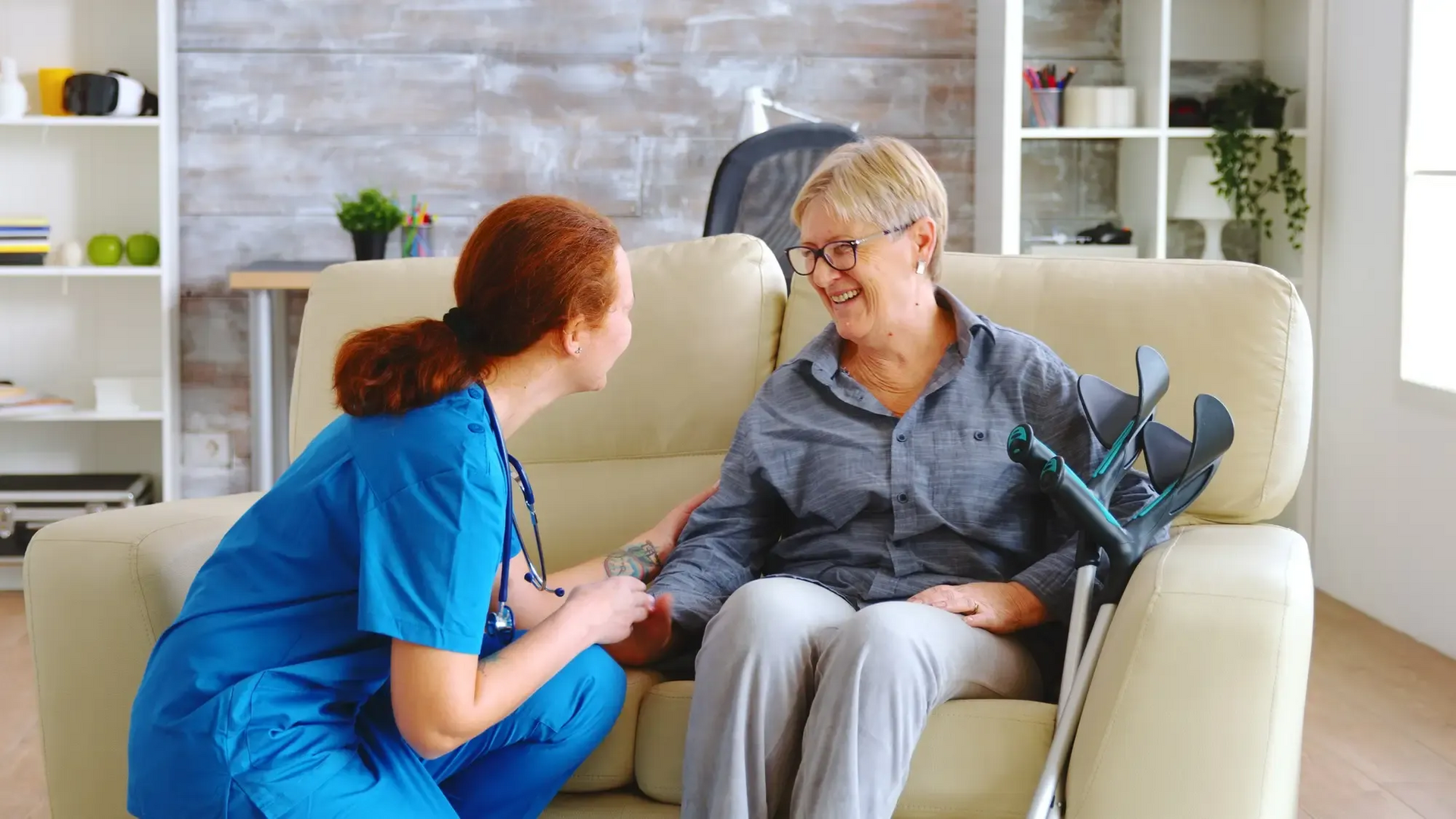
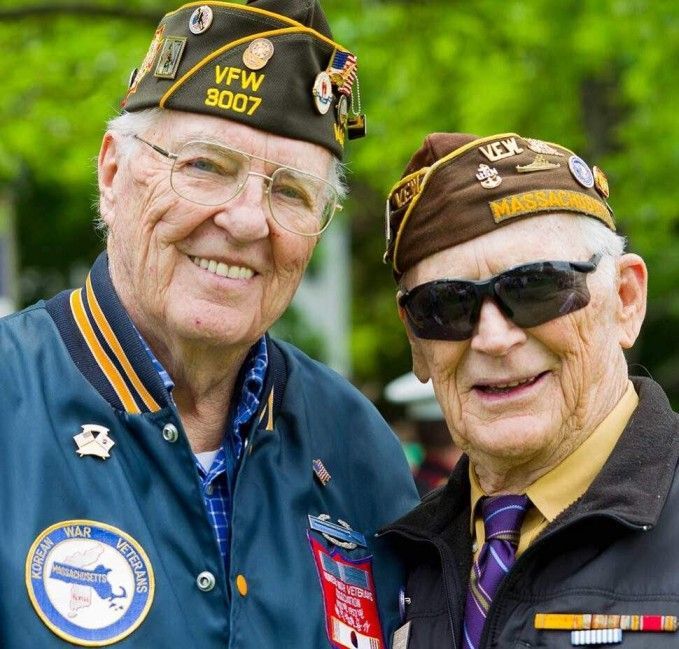
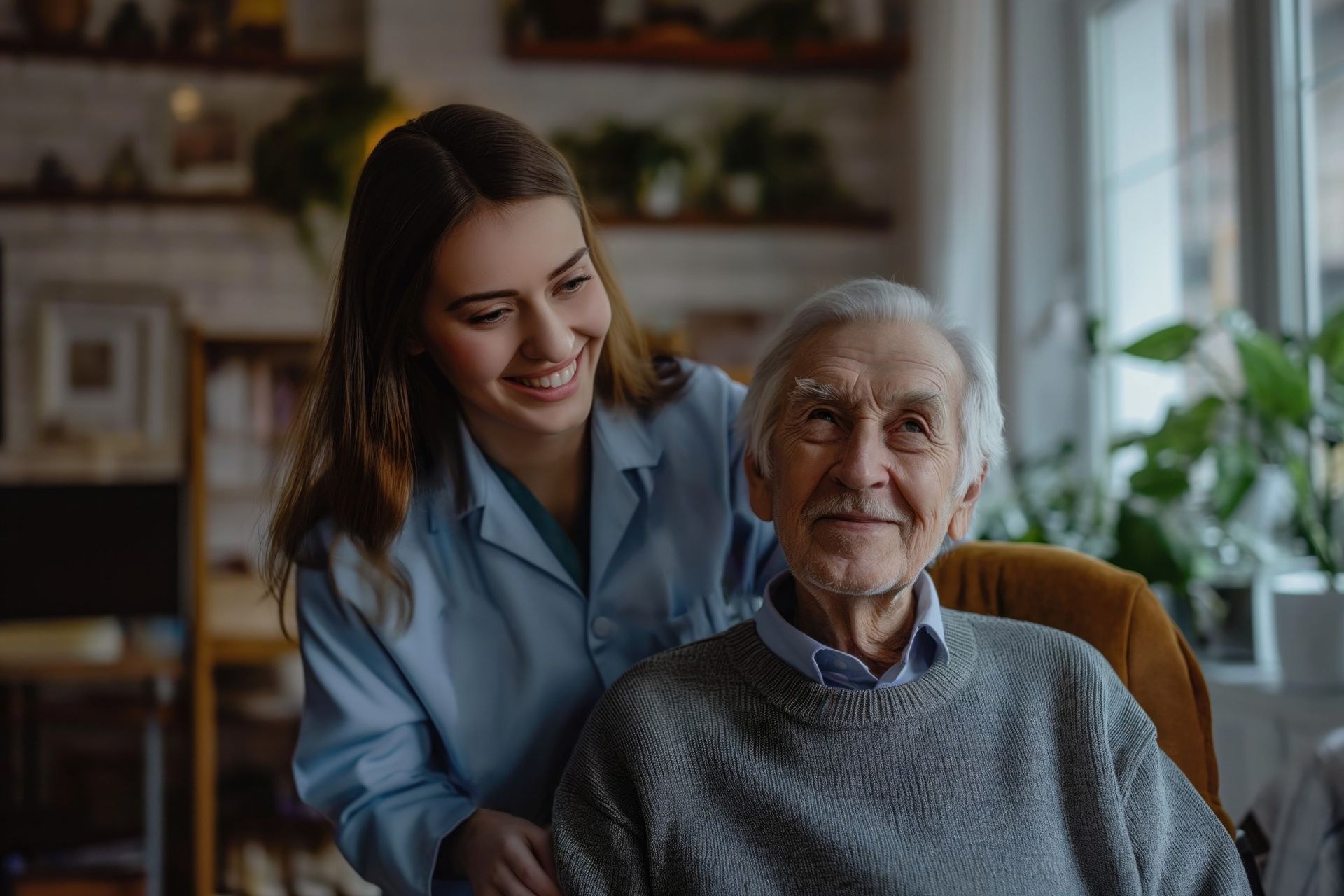
Home care is a critical aspect of supporting aging veterans, allowing them to maintain independence and quality of life in familiar surroundings. For many veterans, navigating the array of government support programs can feel overwhelming. VA home care benefits are designed to provide comprehensive support tailored to the unique needs of those who have served. These benefits include access to medical care, personal assistance, and wellness programs that promote both physical and mental health. Understanding the scope of available services, eligibility requirements, and how to access them ensures veterans and their families can make informed decisions about care. Utilizing these benefits in combination with additional senior health programs enhances safety, emotional wellbeing, and daily living support.
For practical guidance, resources like elderly assistance at home can complement VA services to provide comprehensive care tailored to aging veterans.
What Are VA Home Care Benefits?
VA home care benefits are designed to support veterans who require medical, personal, or rehabilitative care but prefer to remain in their homes. These programs often cover:
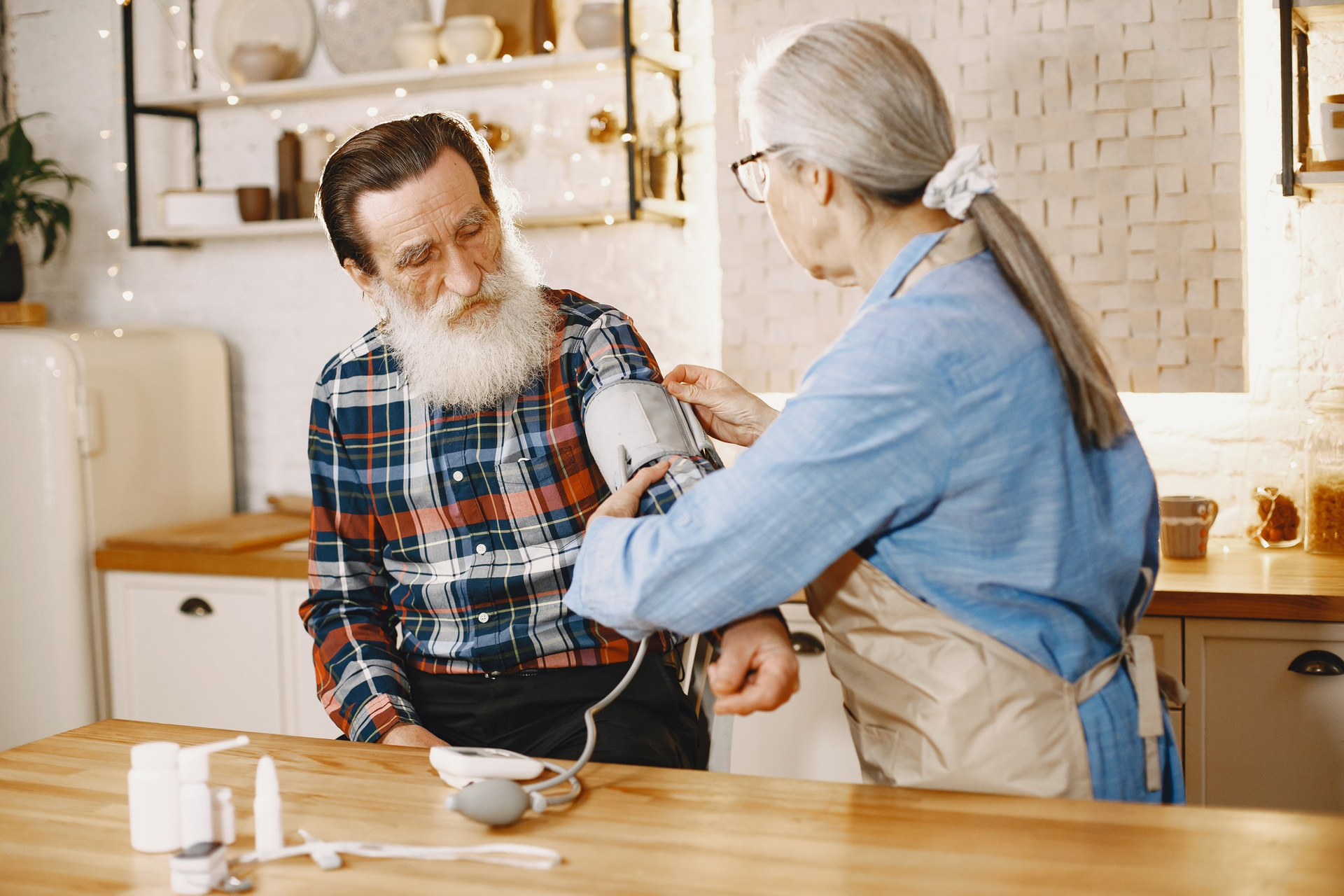
Skilled nursing visits for ongoing medical needs
Personal care services such as bathing, dressing, and meal preparation
Rehabilitation therapy including physical, occupational, and speech therapy
Home modifications to improve safety and accessibility
By providing these services, the VA aims to reduce hospitalizations, support aging in place, and enhance overall quality of life.
Eligibility for VA Home Care Benefits
Eligibility depends on several factors, including military service history, health status, and financial considerations. Veterans with a service-connected disability or chronic medical condition are often prioritized for these services. Enrollment in VA health care is typically required, and additional support may be available through state-level senior health programs or partnerships with local agencies.
Understanding eligibility criteria is essential to ensure timely access to care. Veterans and their families are encouraged to consult VA representatives or healthcare coordinators to clarify the benefits available.
Types of Home Care Services for Veterans
VA home care services can be broadly categorized into medical and non-medical support.
Skilled Medical Care
Veterans who require ongoing medical attention benefit from skilled services provided in their homes. This can include:
Medication management and administration
Wound care and monitoring
Chronic disease management
Physical and occupational therapy
These services are provided by licensed professionals and are designed to prevent complications that could lead to hospitalization.
Personal and Daily Living Assistance
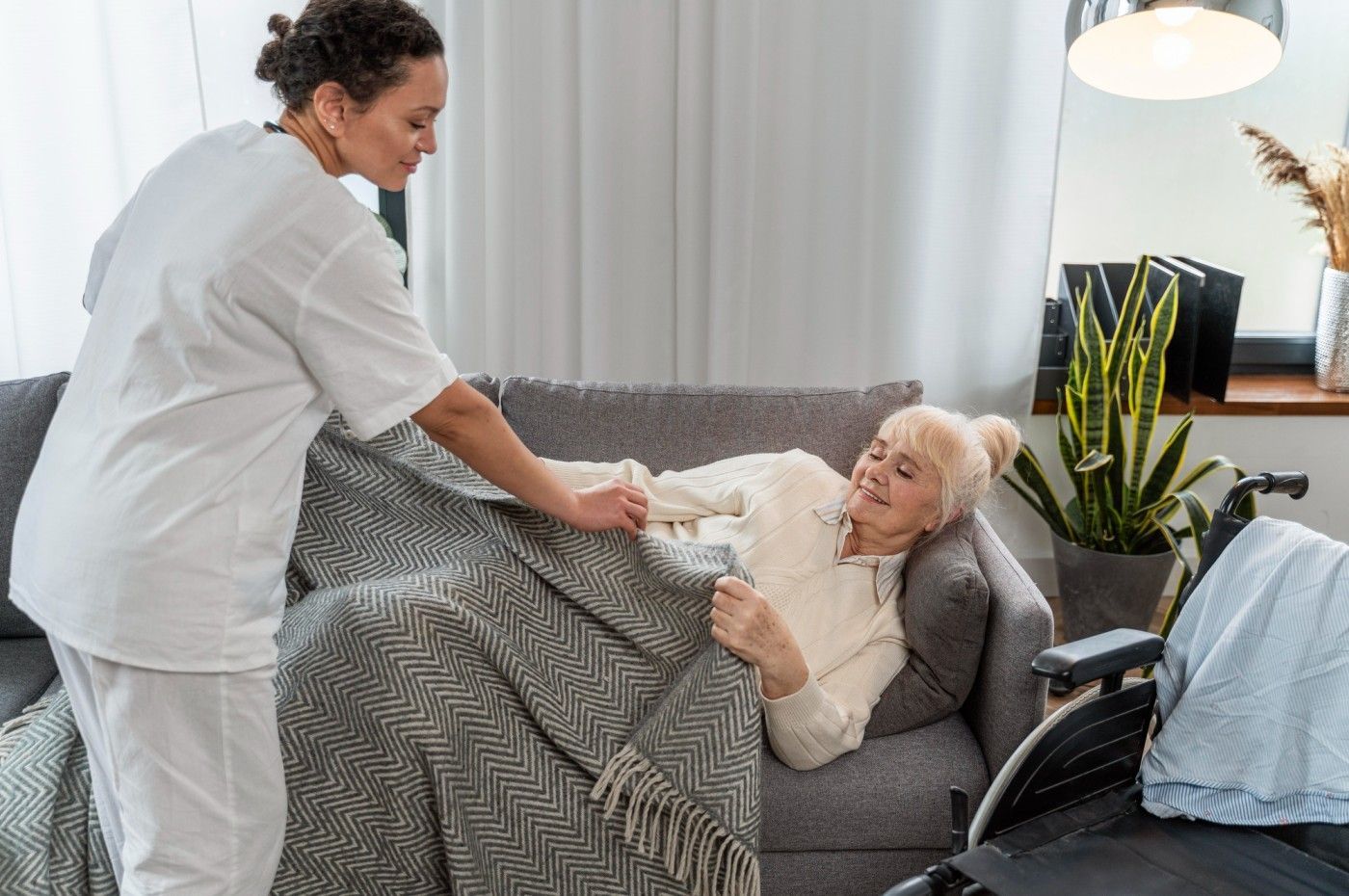
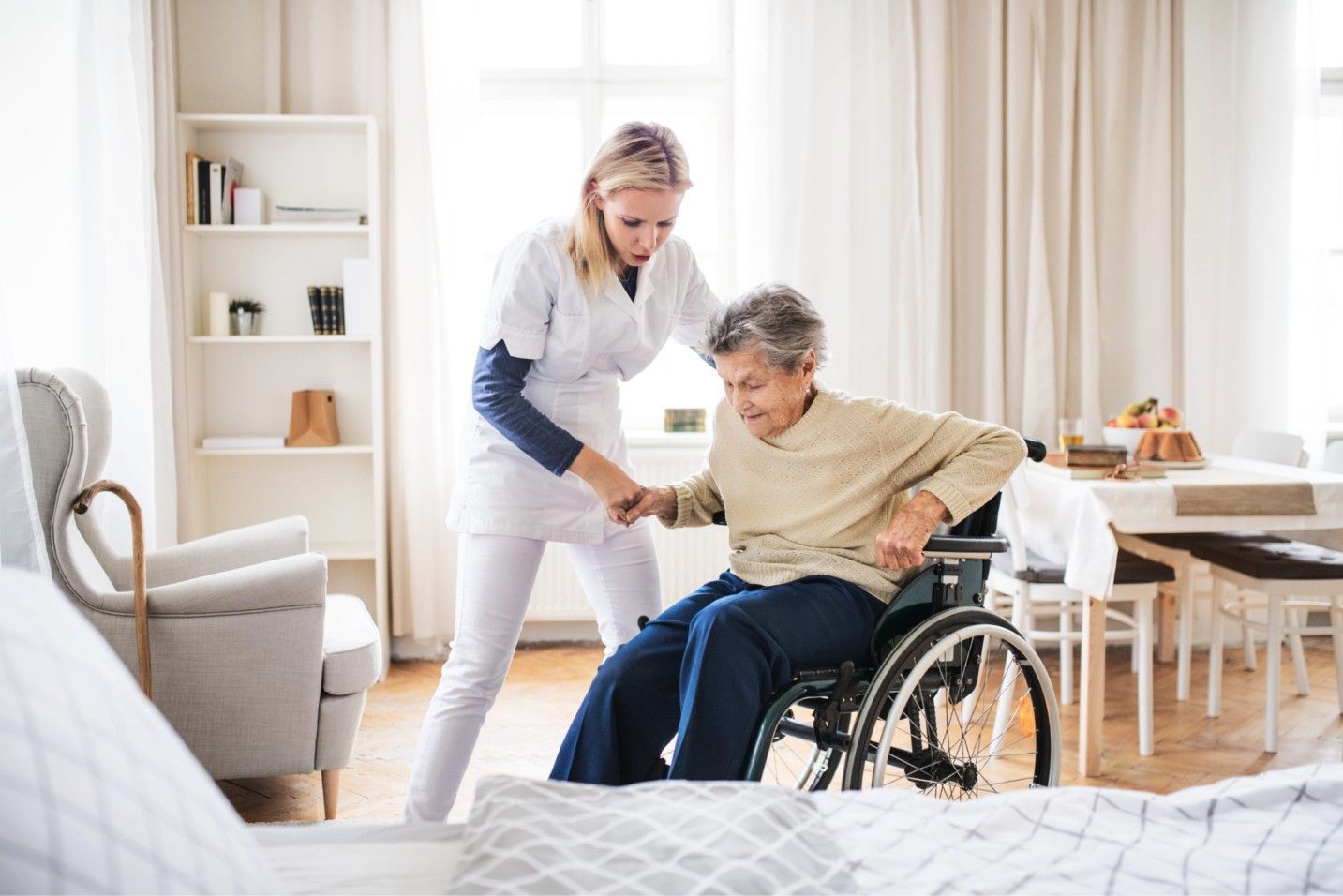
For veterans with limited mobility or cognitive challenges, personal care services are essential. Support may include:
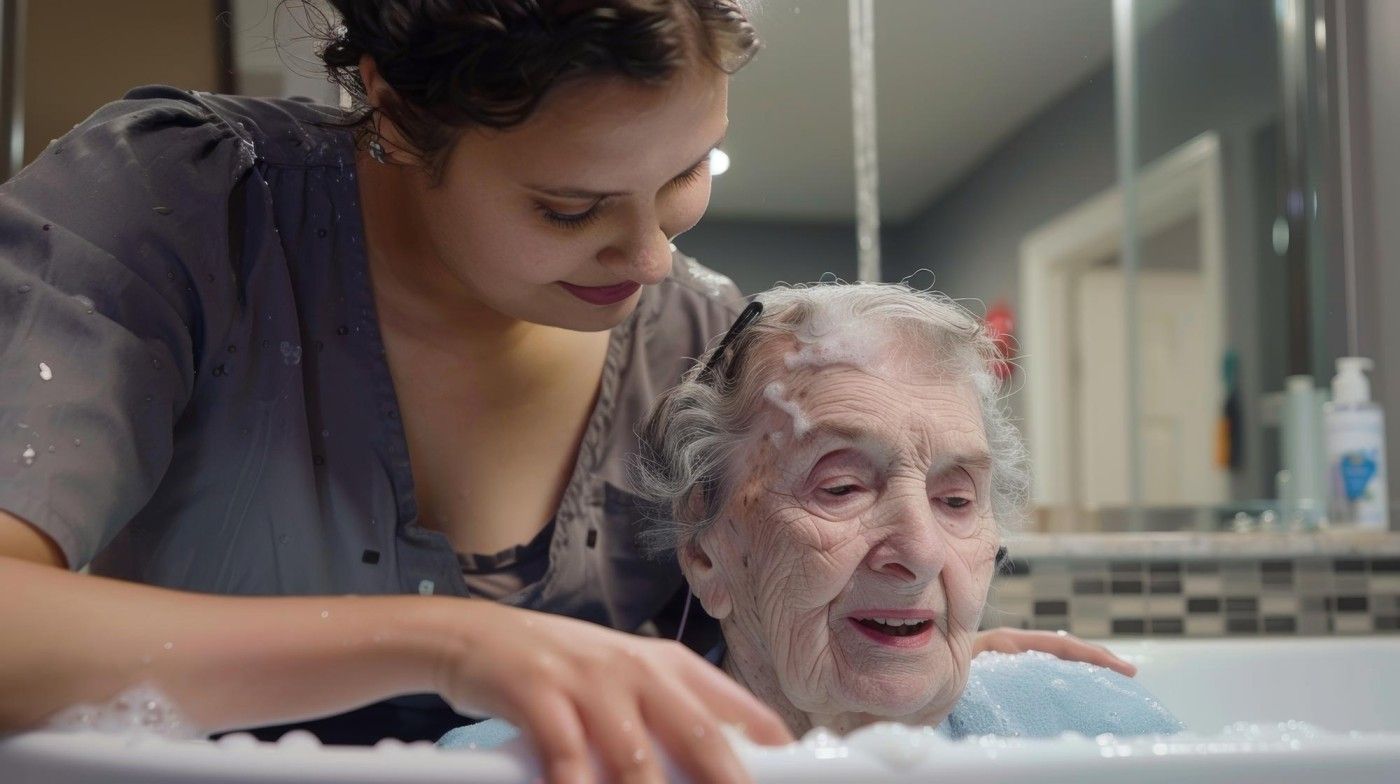
Assistance with bathing, dressing, and grooming
Meal preparation and nutrition guidance
Transportation to medical appointments or community activities
Supervision for veterans with memory or cognitive impairments
Integrating personal care with medical oversight ensures comprehensive support that addresses both health and lifestyle needs.
Specialized Support for Cognitive and Memory Challenges
Veterans experiencing memory loss or cognitive decline can benefit from tailored programs that provide both safety and mental stimulation. VA programs often coordinate with memory loss facilities or specialized home-based interventions to ensure that veterans receive appropriate care in a familiar environment.
These services help maintain independence while reducing the risks associated with cognitive decline, such as falls, wandering, or medication errors.
How VA Home Care Supports Overall Health
Home care for veterans extends beyond basic assistance. These services contribute to overall health in multiple ways:
Chronic disease management: Regular monitoring and therapy help manage conditions like diabetes, heart disease, or COPD.
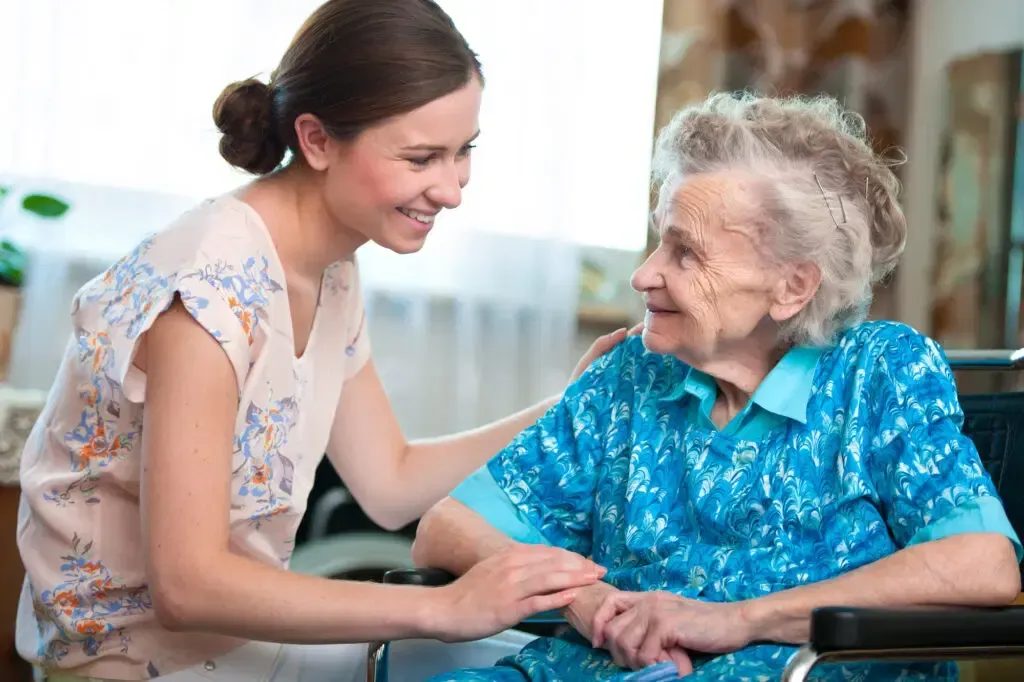
Mental wellbeing: Consistent social interaction, companionship, and support reduce isolation and promote emotional health.
Functional independence: Daily living assistance allows veterans to maintain routines, mobility, and self-care.
Preventive care: Early intervention and ongoing monitoring prevent complications and reduce hospital admissions.
Integrating Government Support for Veterans
VA home care benefits are part of a broader ecosystem of government support for veterans. This includes:
Disability compensation and pensions for service-related conditions
Supplemental programs like transportation assistance or home modification grants
Access to senior health programs that provide preventative care, wellness activities, and social engagement
Combining VA services with these additional programs ensures a comprehensive approach to aging in place. Veterans and families can optimize support by coordinating care across multiple agencies.
How to Apply for VA Home Care Benefits
The application process for VA home care involves several steps:
Contact the VA: Start by reaching out to your local VA medical center or through the VA website to inquire about home care services.
Complete eligibility assessments: VA staff will review service history, health status, and care needs.
Develop a care plan: Coordinators work with the veteran and family to create a plan that matches medical, personal, and lifestyle requirements.
Schedule services: Once approved, care can begin with in-home visits from medical or personal support providers.
Early engagement with the VA ensures that veterans receive timely and appropriate care tailored to their specific needs.
Benefits of Home Care for Aging Veterans
Home care offers numerous advantages for aging veterans, including:
Independence: Remaining at home allows veterans to maintain autonomy and familiar routines.
Personalized care: Care plans are tailored to individual health conditions and lifestyle preferences.
Family support: Home care reduces the physical and emotional burden on family members.
Cost-effectiveness: Home-based care is often more affordable than long-term institutional care.
Integrating these services into a broader wellness strategy promotes overall health, safety, and quality of life.
Combining VA Benefits with Private and Community Resources
Veterans can enhance the impact of VA home care by incorporating additional resources, such as:
Community senior centers offering social activities and educational programs
Private home care agencies for supplemental personal care
Nutrition counseling to ensure balanced diets and optimal health
Therapy programs for mobility, strength, or cognitive support
These complementary approaches help create a well-rounded support system that addresses physical, mental, and social needs.
Preparing for Long-Term Care
Planning for long-term care involves evaluating current health status, home environment, and available resources. Home modifications, assistive devices, and regular professional assessments can help veterans remain safe and independent for longer periods. By proactively leveraging VA home care benefits, families can ensure continuity of care while reducing emergency interventions.
Monitoring Progress and Adjusting Care Plans
Regular evaluation is critical to ensure home care remains effective. VA coordinators and care providers monitor health outcomes, adjust therapy schedules, and recommend modifications to care routines as needed. This flexibility ensures that care evolves alongside the veteran’s changing needs, maintaining safety and quality of life.
Addressing Emotional and Social Needs
Social isolation can impact both mental and physical health. Home care programs often incorporate opportunities for social interaction, recreational activities, and mental stimulation. Engaging veterans in community programs or connecting with other aging veterans helps maintain emotional wellbeing and cognitive function.
Key Considerations for Families
Families play a crucial role in supporting veterans’ home care. Important considerations include:
Understanding the scope of VA benefits and eligibility requirements
Coordinating with professional care providers and therapists
Advocating for necessary adjustments to care plans
Maintaining open communication with the veteran to respect preferences and dignity
Education and active involvement ensure that the veteran receives comprehensive and compassionate care.
Supporting Veterans at Home
Home care through VA benefits provides aging veterans with the resources they need to live safely, comfortably, and independently. By integrating medical support, personal care, mobility aids for seniors , and community resources, veterans can maintain physical and emotional wellbeing while preserving autonomy. Leveraging VA programs alongside supplemental services like elderly assistance at home and memory loss facilities ensures comprehensive, tailored care that addresses the full spectrum of needs. Understanding and accessing these benefits allows veterans and their families to plan proactively, promoting long-term health and quality of life.
FAQ
1. What are VA home care benefits?
They include medical care, personal assistance, rehabilitation therapy, and home modifications for aging veterans.
2. Who is eligible for VA home care?
Eligibility is generally based on military service history, health status, and enrollment in VA health care programs.
3. Can VA home care assist with memory loss?
Yes, tailored programs work with veterans experiencing cognitive decline, sometimes in coordination with memory loss facilities.
4. How can families supplement VA home care?
Additional support can come from community programs, private care providers, elderly assistance at home, and senior health initiatives.
5. Why is home care important for aging veterans?
It promotes independence, safety, emotional wellbeing, and continuity of care while reducing hospitalization risk.