In-Home Care vs. Assisted Living: Which Is Right for Your Loved One in Southern California?
When a parent or spouse starts needing extra help, families are almost always faced with the same big decision: move them into an assisted living facility, or bring care into their own home?

Both options can provide safety and support — but they look very different in cost, comfort, and quality of life. If you're weighing in-home care vs. assisted living for a loved one in Temecula, Murrieta, Menifee, Perris, Riverside, Hemet, or Lake Elsinore, this guide breaks down exactly what to expect from each, so you can make the decision with confidence.
What Is In-Home Care?
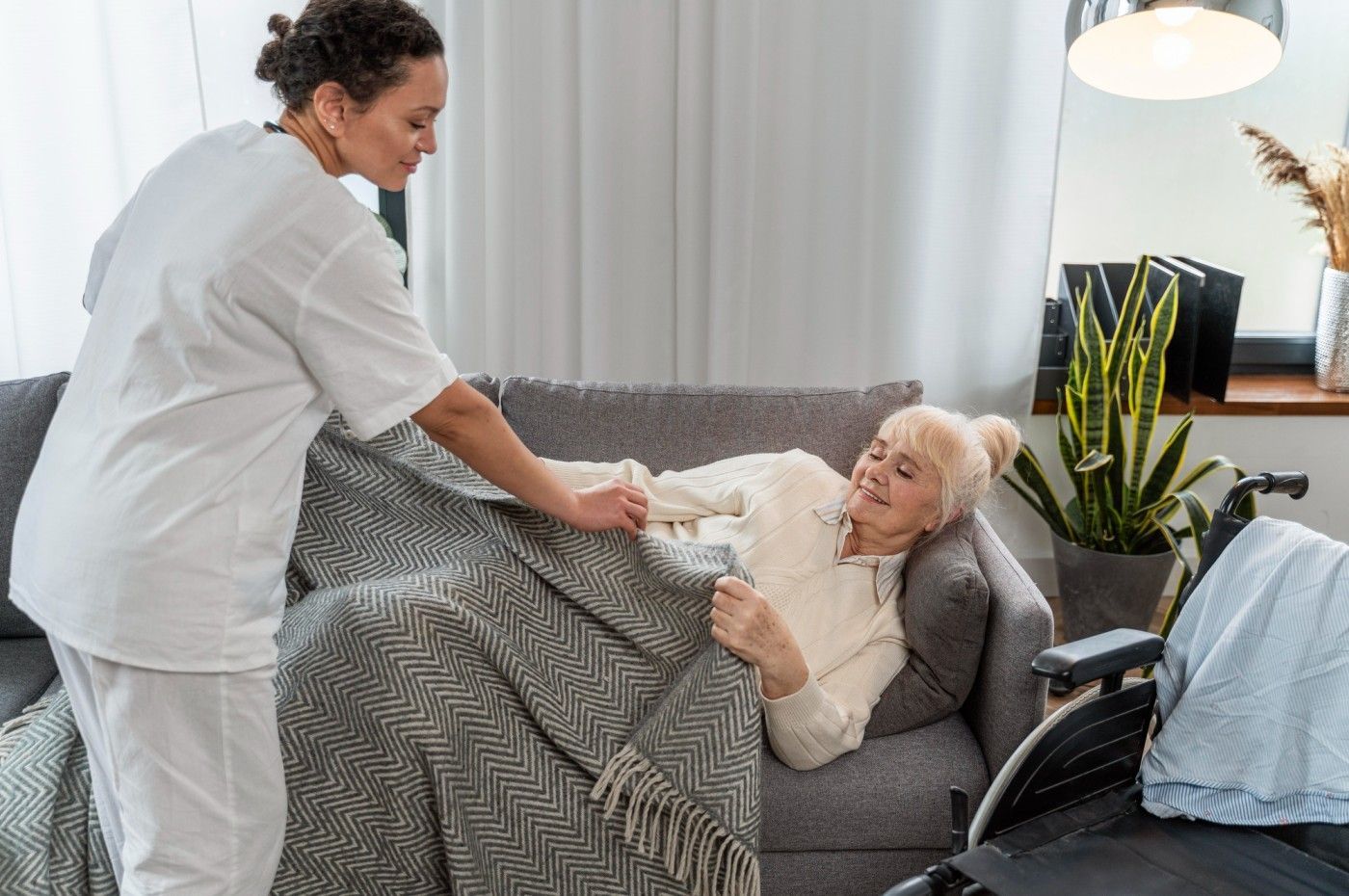
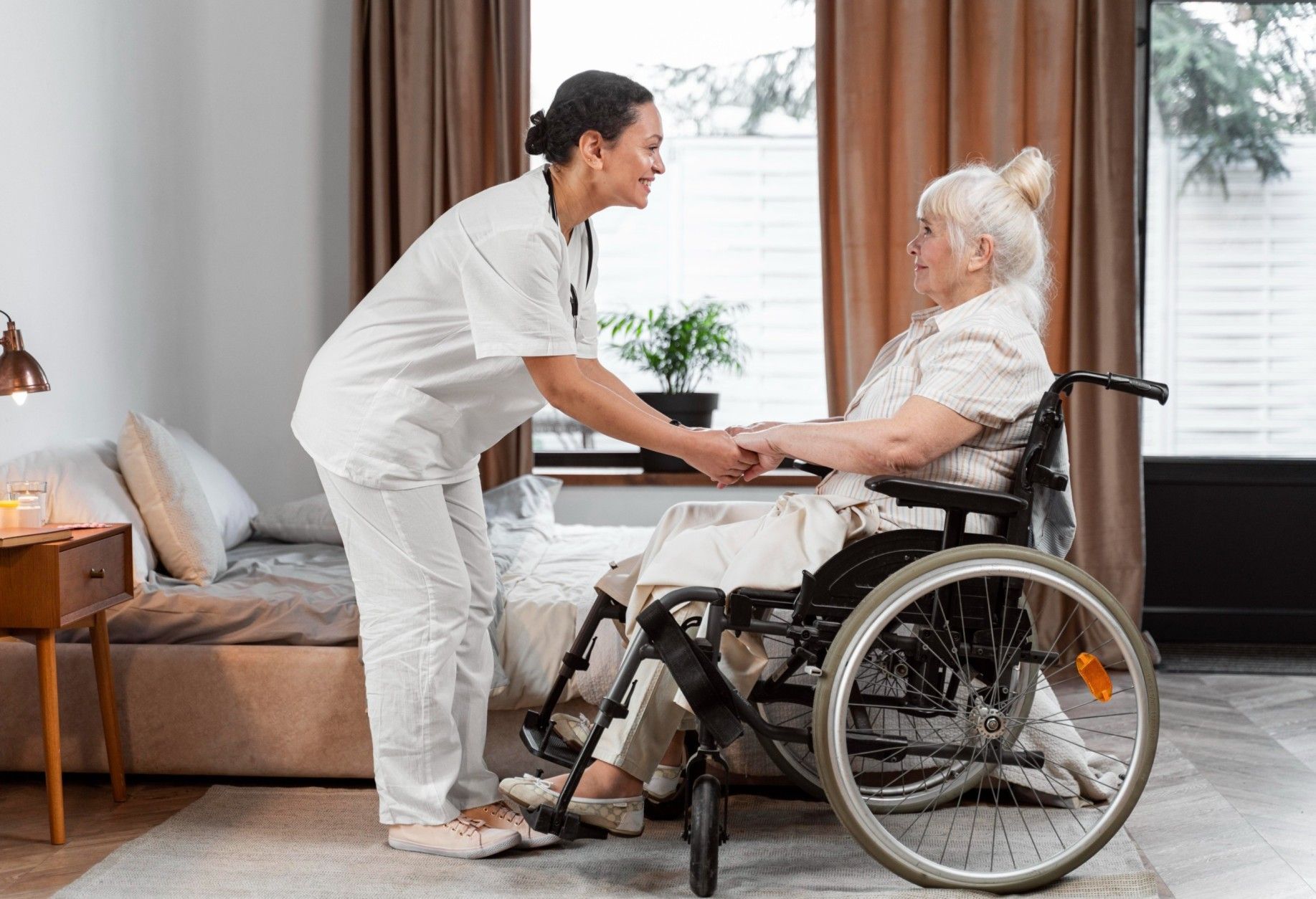
In-home care (also called home care or non-medical home care) allows a senior to continue living in their own house or apartment while a trained caregiver comes to them. Depending on the family's needs, care can range from a few hours a week to full 24-hour care.
In-home caregivers typically help with:
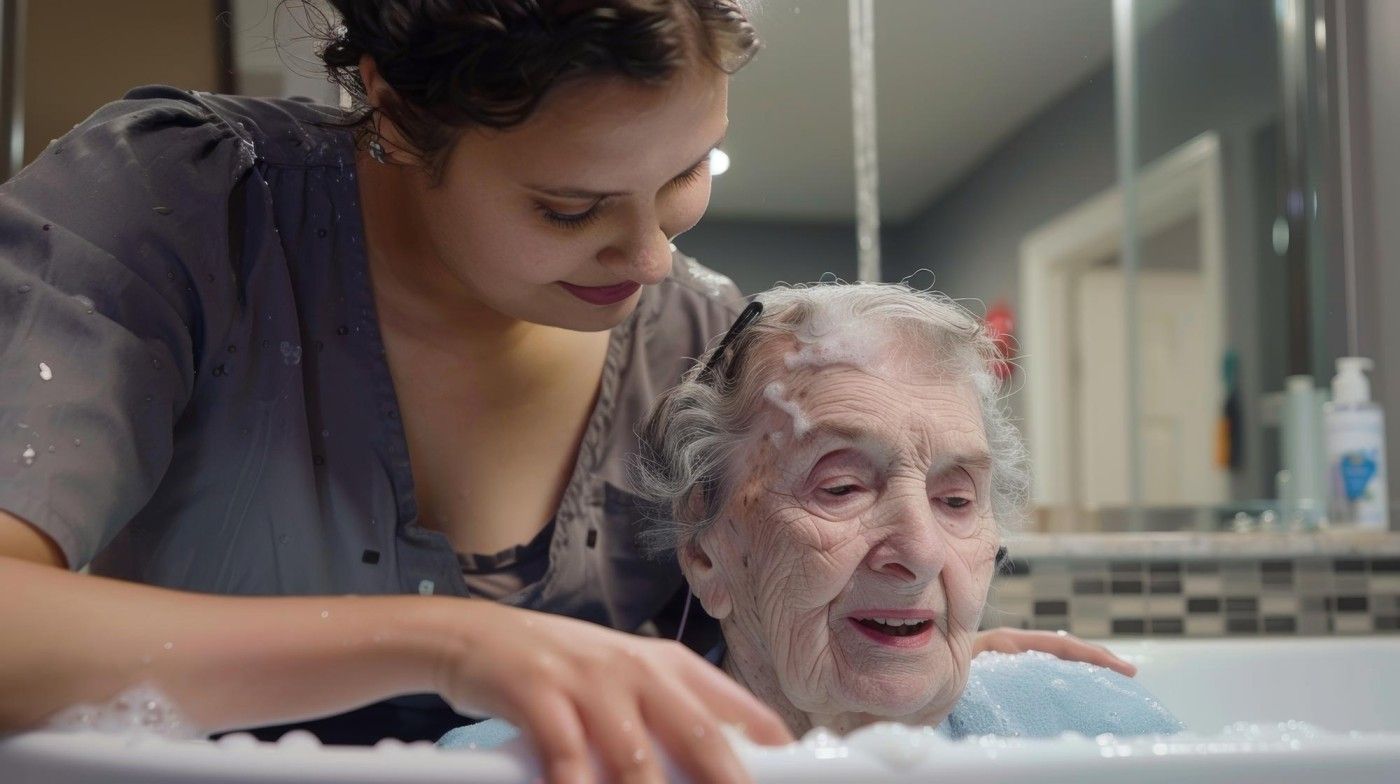
- Bathing, dressing, and grooming
- Medication reminders
- Meal preparation and light housekeeping
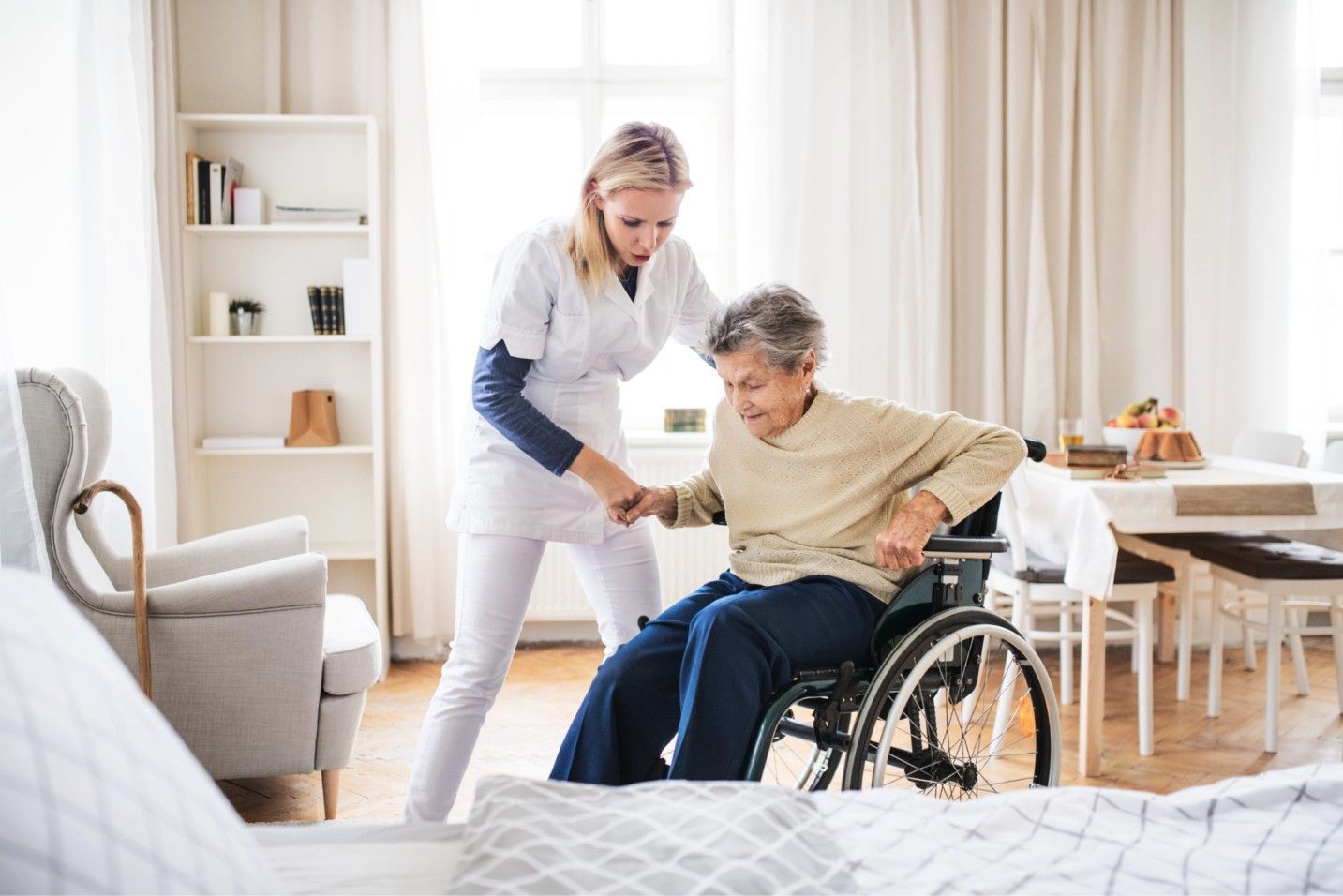
- Mobility assistance and fall prevention
- Companionship and transportation to appointments
- Specialized support for dementia, hospice, or post-surgical recovery
What Is Assisted Living?
Assisted living communities are residential facilities where seniors live in private or shared apartments and receive help with daily tasks from onsite staff. Meals, housekeeping, and social activities are typically included, and staff are available on a rotating schedule to assist multiple residents at once.
In-Home Care vs. Assisted Living: Key Differences
1. Comfort and Familiarity
Staying at home means staying surrounded by decades of memories, a familiar layout, a beloved garden, and — critically — a routine that doesn't have to change. Relocation, especially for someone with dementia or Alzheimer's, can be disorienting and stressful. In-home care preserves the environment your loved one already knows and trusts.
2. One-on-One Attention
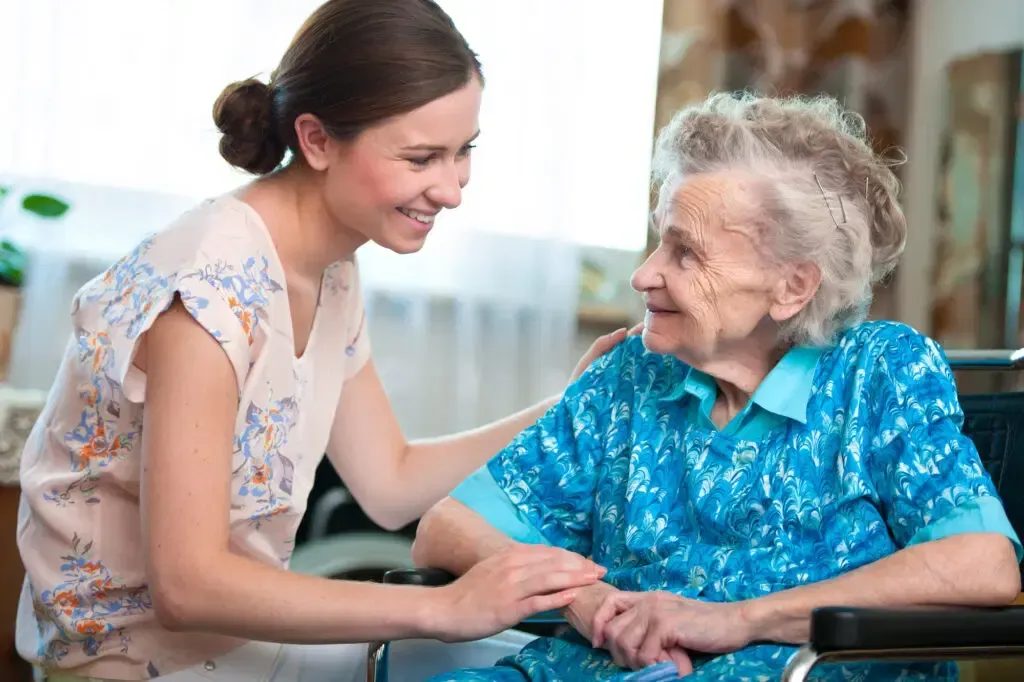
This is one of the biggest differentiators. In assisted living, staff are typically responsible for many residents at once. With in-home care, your loved one receives dedicated, one-on-one attention from a single caregiver during each visit — meaning faster response times, more personalized care, and a real relationship built over time.
3. Cost Comparison
Costs vary by location and level of care needed, but many families are surprised to learn that part-time or even substantial in-home care can be more affordable than a private room in an assisted living facility — especially once you factor in the "extra fees" many facilities charge for higher levels of assistance.
In-home care also offers something assisted living can't: flexibility. Families can start with a few hours a week and scale up as needs increase, rather than committing to a fixed monthly facility rate regardless of how much care is actually used.
4. Keeping Couples and Pets Together
Assisted living facilities often separate couples if one spouse needs a higher level of care than the other, and many don't accommodate pets. In-home care allows spouses to stay together and pets to remain part of the family, which matters enormously for emotional wellbeing.
5. Flexibility of Services
In-home care plans can be adjusted week to week — more hours during a recovery period, less once a loved one regains independence, or a shift to 24-hour care if a health condition progresses. Assisted living contracts are typically far less flexible and often require formal reassessment or a move to a higher-acuity (and higher-cost) unit.
6. Specialized and Veteran Care
Not all assisted living facilities are equipped to handle complex needs like advanced dementia, hospice-stage care, or workers' compensation recovery. In-home agencies like Akahina Home Care provide specialized caregivers trained specifically in dementia care, hospice support, and veteran care — including as a VA Community Care Network provider — bringing expert-level support directly into the home.
Who Is In-Home Care Best For?
In-home care tends to be the right fit for families who want:
- Their loved one to remain in a familiar, comfortable environment
- One-on-one, personalized attention rather than shared staff coverage
- Flexible hours that scale with changing needs
- Support for a spouse or family caregiver through respite care
- Specialized dementia, hospice, or post-injury recovery care
- To keep pets and spouses together under one roof
Who Might Assisted Living Be Better For?
Assisted living may make more sense for seniors who:
- Have no safe home to return to or live alone in an unsafe environment
- Want built-in group social activities and dining as a primary lifestyle feature
- Require a level of 24/7 skilled nursing that goes beyond non-medical home care
For many families, the two aren't mutually exclusive — some seniors start with in-home care and transition later, while others use in-home care alongside assisted living during a transition period.
How Akahina Home Care Helps Southern California Families Choose
At Akahina Home Care, we're a military family–owned home care agency based in Murrieta, CA, proudly serving veterans and seniors throughout Southern California. We offer a free in-home assessment to help families understand exactly what level of care is needed — no pressure, no obligation.
Our services include:
- Personal Care — bathing, dressing, grooming, and mobility assistance
- Companionship — conversation, hobbies, and shared activities
- 24-Hour Care — round-the-clock supervision and support
- Dementia Care — trained, structured Alzheimer's and memory care
- Respite Care — relief and rest for family caregivers
- Hospice Care Support — comfort-centered end-of-life care
- Workers' Comp Care — recovery support after injury or surgery
- Veteran Services — specialized care for those who served, through the VA Community Care Network via TriWest
We proudly serve:
Service AreaLearn MoreTemeculaHome Care in TemeculaMurrietaHome Care in MurrietaMenifeeHome Care in MenifeePerrisHome Care in PerrisRiversideHome Care in RiversideHemetHome Care in HemetLake ElsinoreHome Care in Lake Elsinore
We also accept SCAN Health Plan, Private Pay, Long Term Care Insurance, Workers' Comp, and VA Aid and Attendance benefits, making quality care more accessible for more families.
Frequently Asked Questions
1.Is in-home care cheaper than assisted living? It depends on the number of hours needed, but many families find part-time to moderate in-home care more cost-effective than a private assisted living room, especially once facility add-on fees are factored in.
2.Can in-home care provide the same level of support as a nursing facility? Non-medical in-home care is designed for daily living support, companionship, and safety — not skilled nursing or medical treatment. For seniors with complex medical needs, in-home care can often be paired with visiting nurses or home health services.
3.How do I know which option is right for my family? The best way to decide is with a free, no-obligation in-home assessment, where a care coordinator evaluates your loved one's specific needs, home environment, and budget.
4.Does Akahina Home Care accept veterans' benefits? Yes. As a Navy and Marine veteran family–owned agency and VA Community Care Network provider through TriWest, we specialize in supporting veterans and their families.
Ready to Explore Your Options?
Choosing between in-home care and assisted living is one of the most important decisions a family can make. Let Akahina Home Care help you make it with confidence.
Call us today at 951-434-7379 or schedule your free in-home assessment online — and give your loved one the comfort of aging in place, safely and with dignity.