7 Signs Your Parent May Need Home Care in Murrieta
What are the clearest signs an aging parent needs professional home care?

What are the clearest signs an aging parent needs professional home care? The most common signs include frequent falls, missed medications, poor hygiene, weight loss, a messy or neglected home, social withdrawal, and a family caregiver who's running on empty. If two or more of these sound familiar, it's worth having a real conversation about support.
At Akahina Home Care, we help families across Murrieta recognize these signs early and respond with a care plan that actually fits — not a generic checklist.
Why These Signs Are Easy to Miss
Aging happens slowly, which is exactly why it's so hard to notice from the inside. You see your parents every week, sometimes every day, so the small changes blend together. It's usually a visiting sibling, a neighbor, or a sudden scare that makes the pattern obvious all at once.
If you're reading this because something recently felt "off," trust that instinct. Here are the seven signs we hear about most often from Murrieta families.
1. Frequent Falls or Near-Falls
A single fall might be an accident. A second one is a pattern. Falls are one of the leading causes of injury-related hospital visits for older adults, and they often happen doing ordinary things — getting out of a chair, reaching for something on a shelf, walking to the bathroom at night.
Watch for:
- Bruises your parent can't quite explain
- Furniture rearranged to "hold onto" for balance
- New reluctance to walk certain distances
- A cane or walker suddenly appearing, unused
2. Medication Confusion
Managing five, six, or more prescriptions on a strict schedule is genuinely difficult, even for someone sharp and organized. Confusion here isn't a character flaw — it's a common and serious safety issue.
Warning signs include:
- Pillboxes with leftover pills from days that have already passed
- Refills that are picked up late or not at all
- Taking a dose twice, or skipping it entirely
- Mixing up which pill is for what
3. Noticeable Changes in Hygiene or Appearance
If a parent who always took pride in their appearance starts wearing the same clothes repeatedly, skipping showers, or neglecting grooming, it's rarely about laziness. More often, it's about difficulty with mobility, energy, or memory.
4. Unexplained Weight Loss
Cooking becomes harder with age — shopping, standing at the stove, remembering to eat regular meals. Unintentional weight loss is one of the more serious signs, since it often points to a bigger issue: depression, difficulty swallowing, memory loss, or simply not having the energy to prepare food.
5. A Home That's Starting to Show Neglect
Take a look around next time you visit:
- Spoiled food in the refrigerator
- Piles of unopened mail or unpaid bills
- Laundry backing up
- Dust or clutter in a home that used to be spotless
None of these are dramatic on their own, but together, they tell a story about what your parent can and can't keep up with anymore.
6. Social Withdrawal
Isolation is one of the quieter warning signs, and one of the most important. A parent who stops calling friends, skips church or club activities, or seems uninterested in things they used to enjoy may be dealing with depression, hearing loss, mobility limits, or early cognitive changes — all of which respond well to consistent companionship care.
7. Caregiver Burnout in the Family
Sometimes the clearest sign isn't about the parent at all — it's about the family member trying to hold everything together. If you're exhausted, missing work, losing sleep, or feeling resentful and then guilty about it, that's a sign too. Bringing in professional support isn't giving up on your parent. It's making sure the care they receive is sustainable.
What Professional Home Care in Murrieta Actually Looks Like
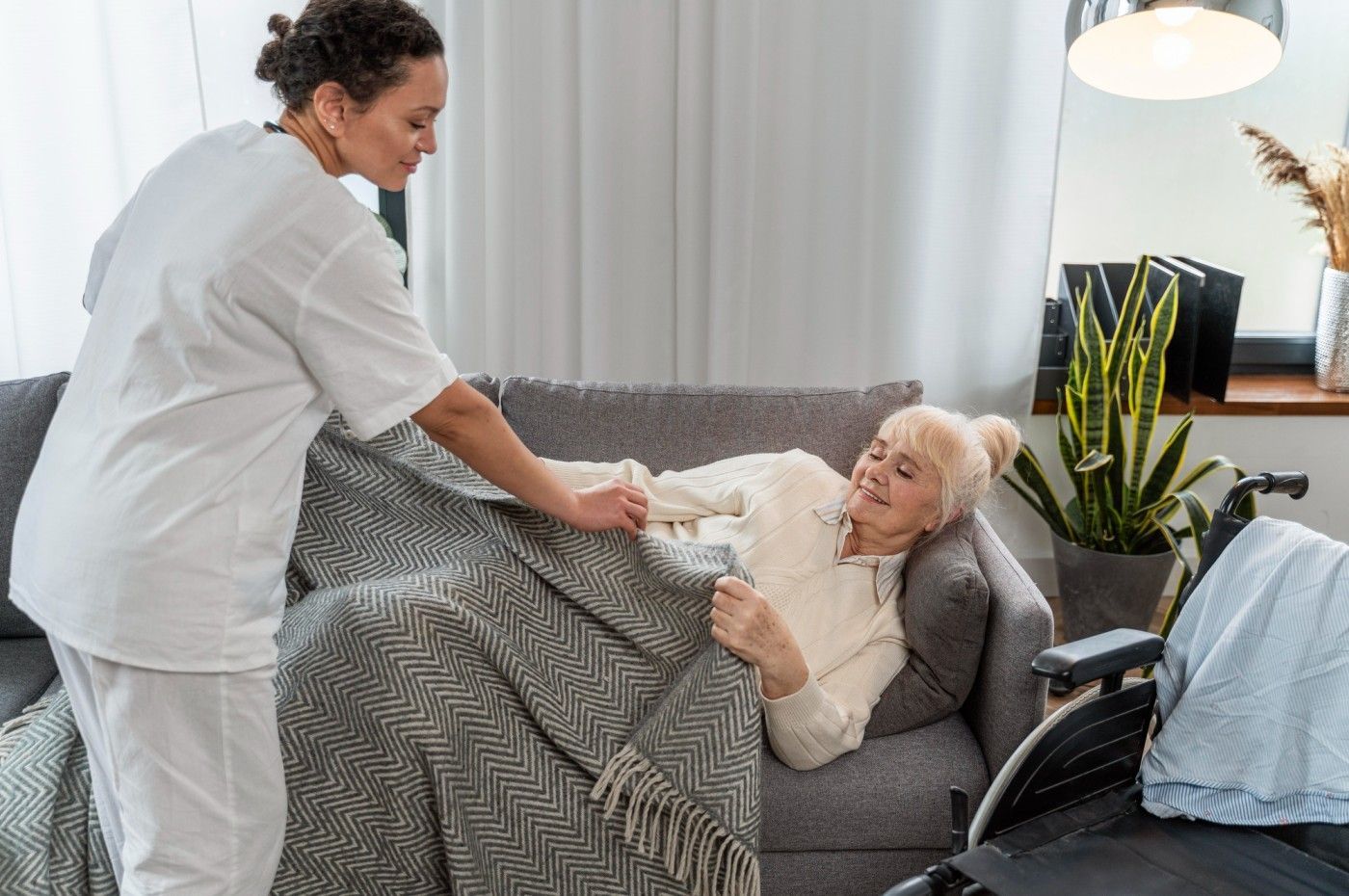
A lot of families picture home care as something impersonal. In practice, it's built around your parent's actual daily life. Through our Home Care in Murrieta services, care typically includes:
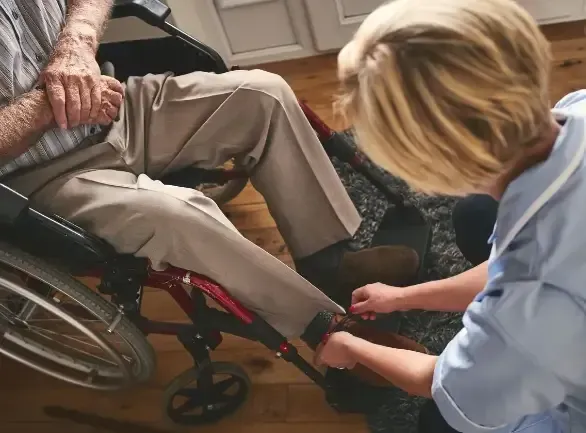
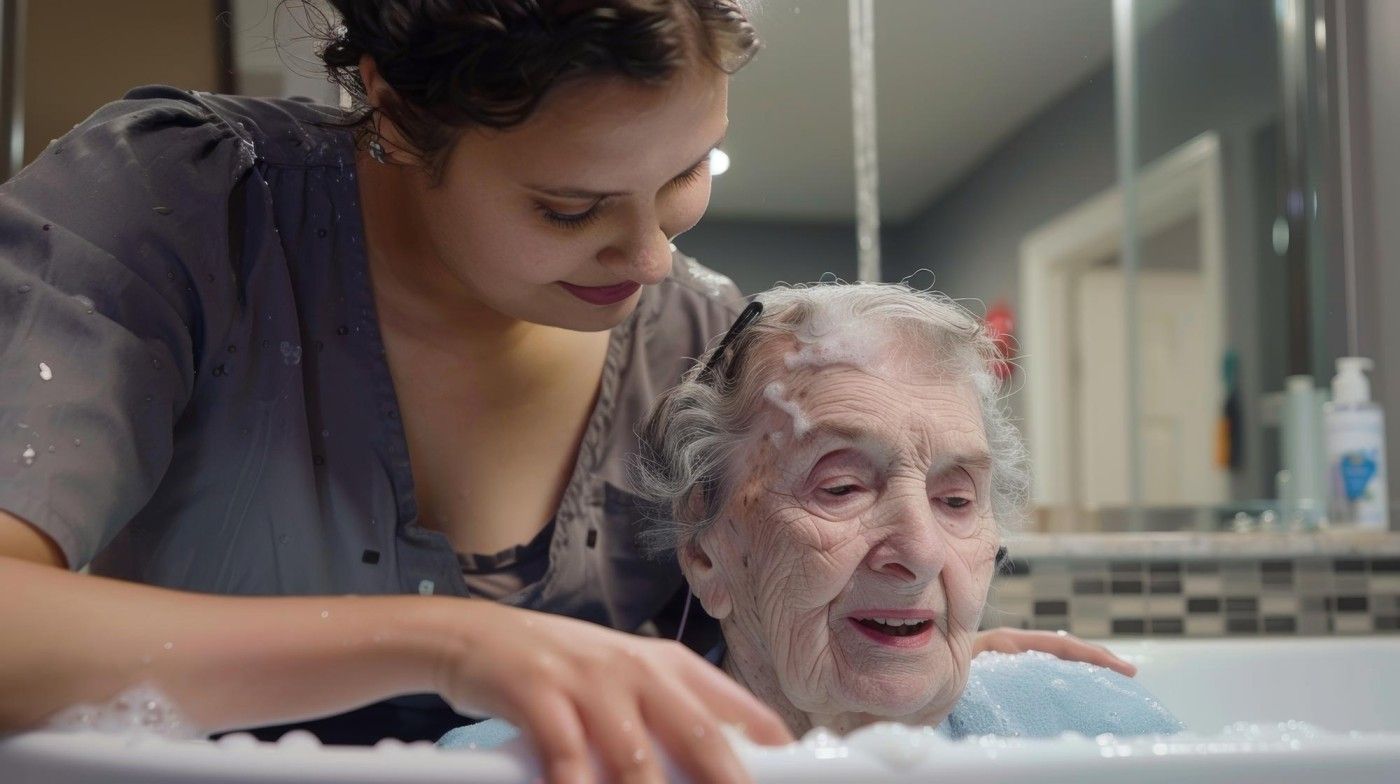
- Personal care — bathing, dressing, grooming, and mobility support, handled with dignity
- Medication reminders — so doses are never missed or doubled
- Meal preparation — real meals, not just snacks, tailored to dietary needs
- Light housekeeping — keeping the home safe and comfortable
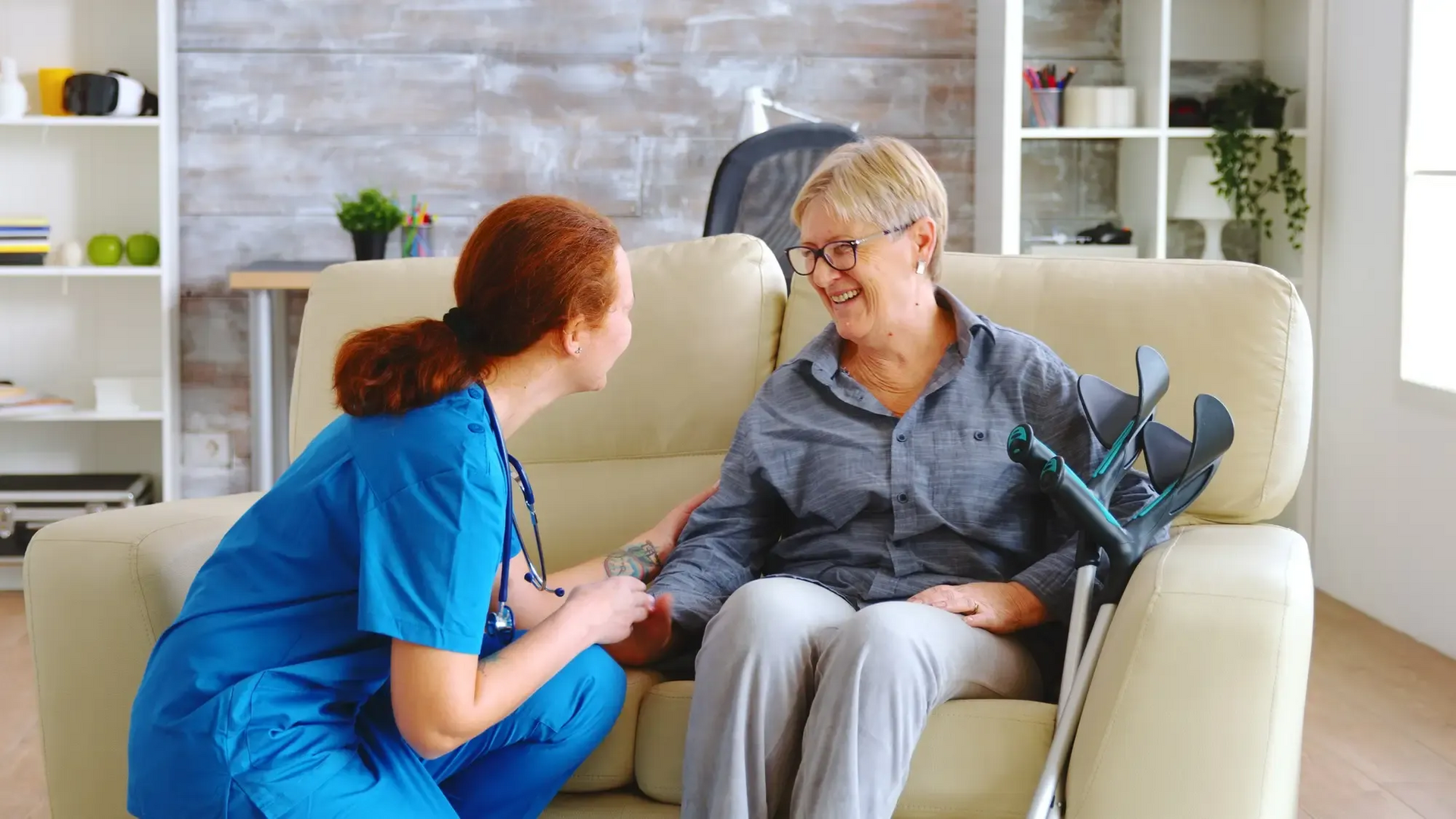
- Companionship — conversation, hobbies, and a familiar face to look forward to
- Transportation — to appointments, errands, or social visits
Care plans are never one-size-fits-all. Some Murrieta families start with a few visits a week; others need daily or even 24-hour support if safety is a concern. The plan adjusts as needs change, which is one of the biggest advantages home care has over a fixed facility schedule.
Choosing Between a Few Hours a Week and Daily Support
One of the most common questions Murrieta families ask is how much care their parents actually need to start with. There's no need to guess — a free in-home assessment is designed to answer exactly that. Still, here's a general guide:
- A few hours, a few days a week often works well for parents who are mostly independent but need help with errands, meals, or companionship
- Daily visits make sense once personal care, medication management, or safety supervision becomes a regular concern
- Live-in or 24-hour care becomes appropriate when falls, wandering, or medical risk mean your parent shouldn't be alone at any hour, day or night
It's also common for care to start small and grow. Many families begin with light companionship support and increase hours gradually as needs change — there's rarely a need to jump straight to the most intensive option.
What About Cost and Payment Options?
Cost is one of the first questions almost every family asks, and understandably so. Home care costs in Murrieta vary depending on the number of hours needed, the level of personal care required, and whether overnight or live-in support is involved. Many families are able to offset costs through:
- Long-term care insurance policies
- VA Aid and Attendance benefits for eligible veterans and surviving spouses
- Workers' compensation coverage, when care relates to a workplace injury
- Private pay, often with flexible scheduling to manage the budget
A care coordinator can walk through your specific situation during the free assessment, so you're working with real numbers rather than a rough estimate.
How the First Few Weeks Usually Go
Starting home care is an adjustment for everyone — the parent, the caregiver, and the family. We've written in detail about what that process looks like in our related article, Daily Personal Care for Seniors in Riverside County, which walks through how trust builds week by week and why the first month matters so much for long-term success.
In short: most families see their loved one settle in faster than they expected, once the caregiver becomes a familiar, trusted presence rather than a stranger in the house.
Frequently Asked Questions
How many of these signs need to be present before I should act? Even one serious sign — like a fall or a medication mix-up — is worth addressing right away. Two or more ongoing signs usually mean it's time for a real conversation about support.
Will my parents resist the idea of having a caregiver? It's common at first. Most seniors adjust well once they realize a caregiver is there to support their independence, not take it away. Introducing the idea gradually, and framing it as help rather than a loss of control, tends to make the transition much smoother.
Is home care only for people with serious medical needs? No. Many Murrieta families start with light support — companionship, light housekeeping, help with errands — long before medical needs become serious. Starting early, before a crisis hits, is often the easiest path for everyone involved.
Can care start quickly if a situation feels urgent? Often, yes. A free in-home assessment can usually be scheduled within days, and care can typically begin shortly after that, once the right caregiver match is found.
Does Akahina Home Care serve areas outside Murrieta? Yes. In addition to Murrieta, care extends to nearby Southern California communities including Temecula, Menifee, Winchester, and Wildomar. You can also read more about how the agency got started on our Akahina Home Care story page.
You Know Your Parent Better Than Anyone
If something has felt off lately, you're probably not imagining it. Trusting that instinct early — rather than waiting for a crisis — is one of the best things you can do for your parent's safety and your own peace of mind.
Akahina Home Care is a military family–owned agency proudly serving Murrieta and the surrounding Southern California communities with personalized, non-medical home care. Whether your parent needs a few hours of weekly companionship or full daily support, our team is ready to build a plan around their actual life — not a generic template.
For helpful background while you're weighing your options, take a look at our senior care resources page.
When you're ready to talk it through, call us at 951-434-7379 or contact our care team today to schedule your free in-home assessment. You don't have to navigate this alone — we're here to help.