Non Medical Home Care in Murrieta: Complete Guide
What exactly is non-medical home care?

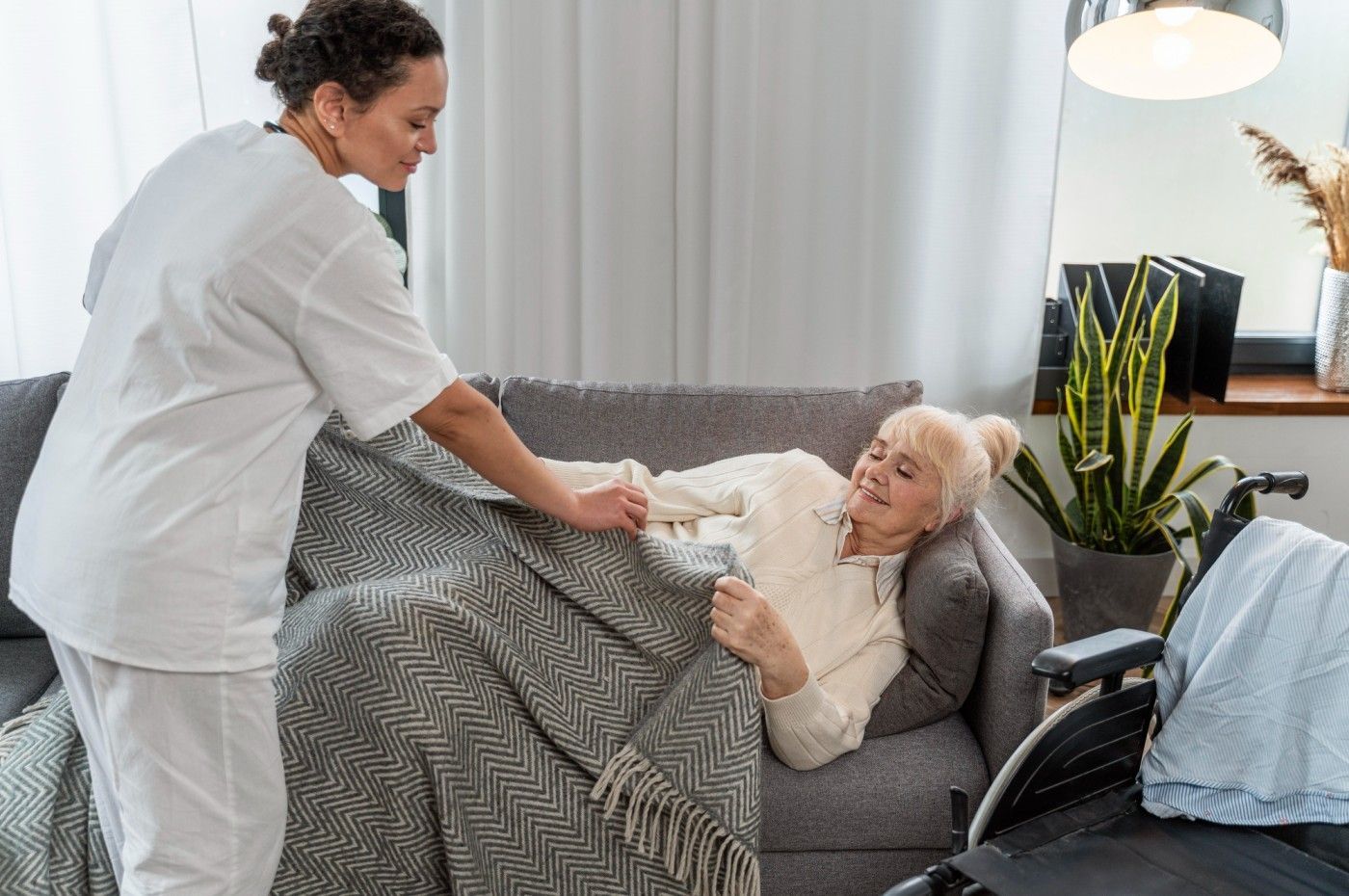
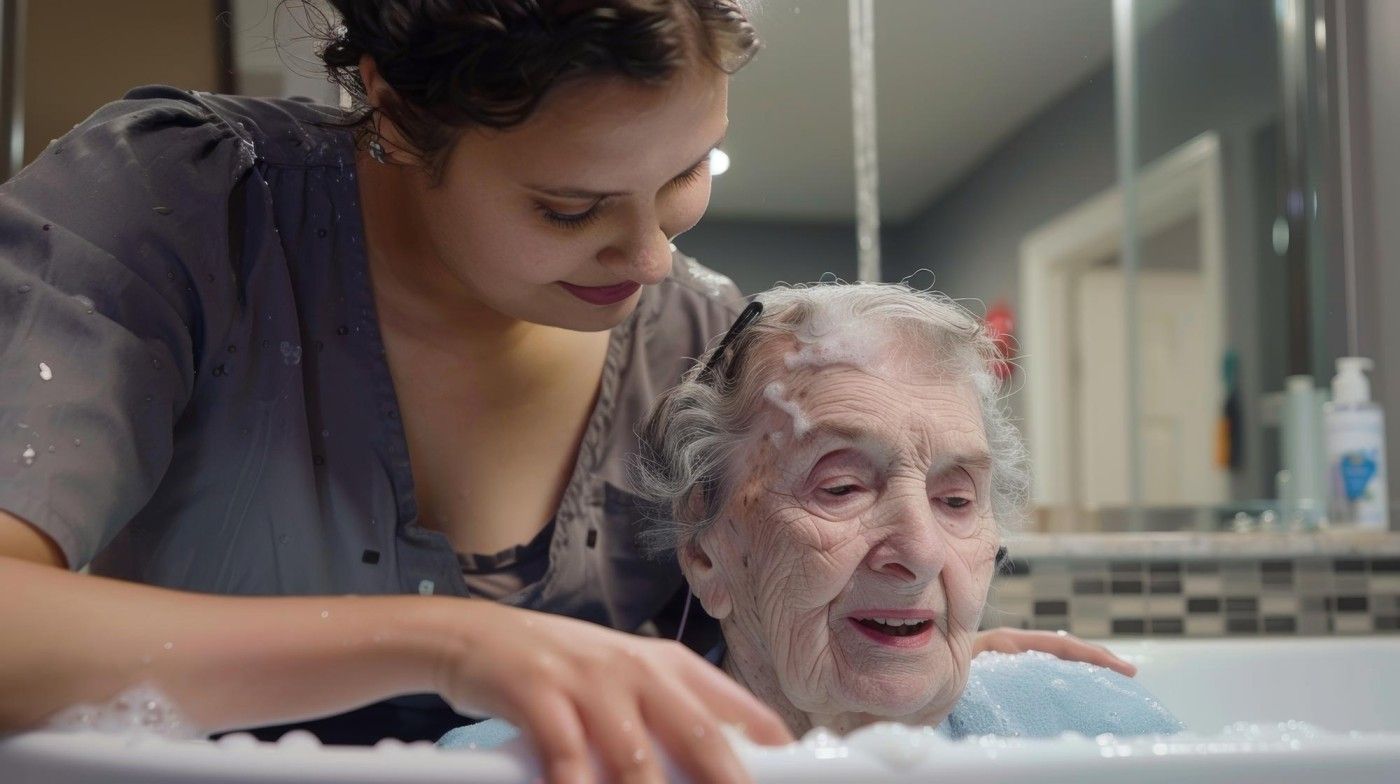
Non-medical home care is professional, in-home support that helps seniors and adults with daily living tasks — things like bathing, dressing, meal preparation, medication reminders, and companionship — without providing clinical or nursing services. It's the kind of everyday help that allows someone to stay safely in their own home.
At Akahina Home Care, we provide exactly this kind of support to families throughout Murrieta, and it's often the missing piece between struggling alone and getting the help that's actually needed.
Non-Medical Home Care vs. Medical Home Health Care
This is the single most common point of confusion, so it's worth clearing up first.
Non-medical home care includes:
- Bathing, dressing, and grooming assistance
- Meal preparation and light housekeeping
- Medication reminders (not administration)
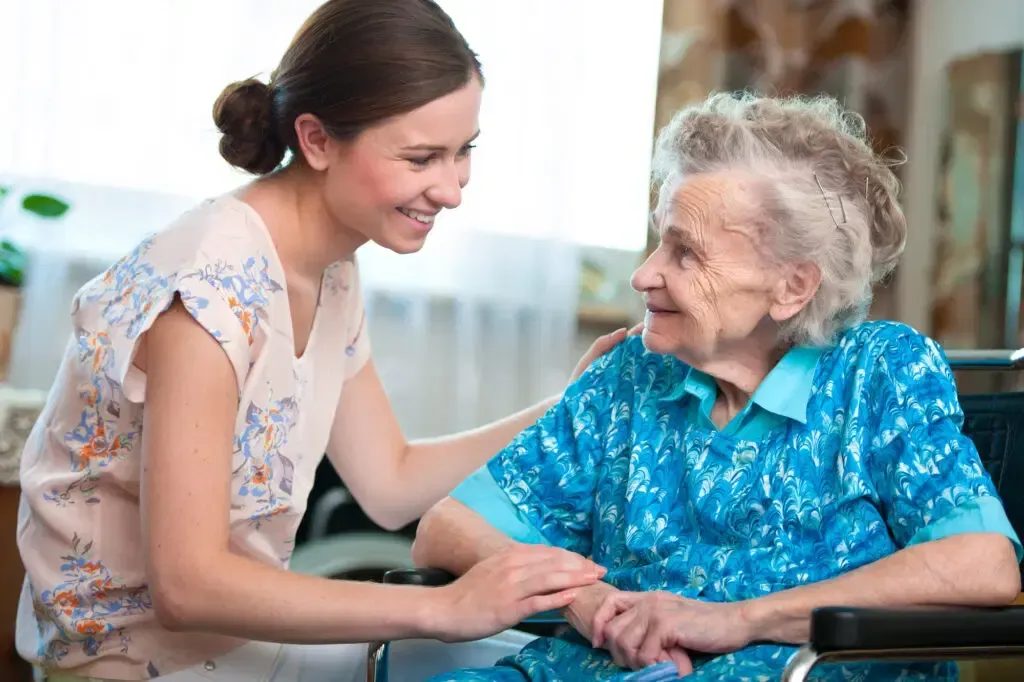
- Companionship and conversation
- Transportation to appointments and errands
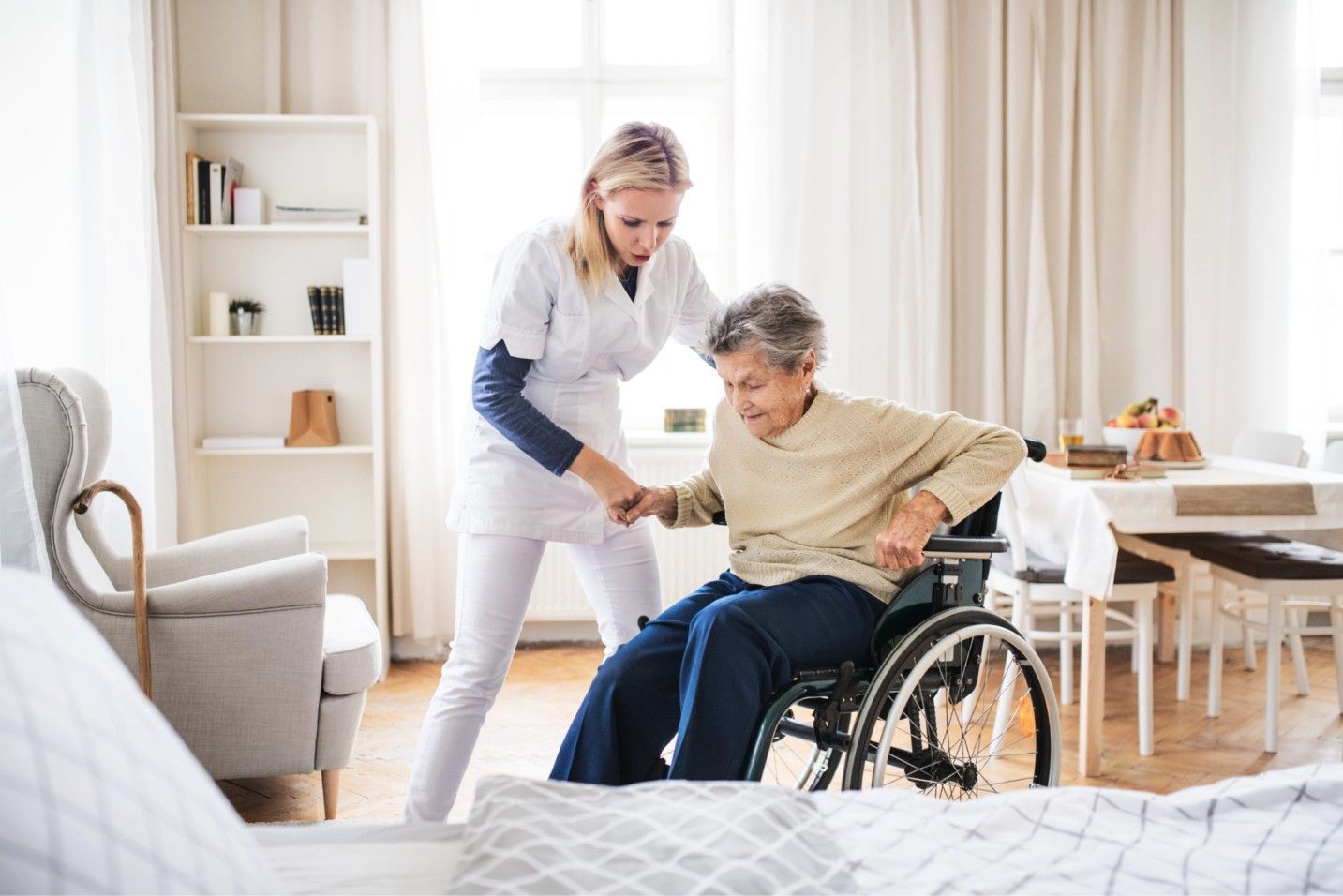
- Mobility support and fall-risk supervision
Medical home health care includes:
- Wound care and injections
- Physical, occupational, or speech therapy
- Skilled nursing visits
- Managing medical equipment
Many seniors only ever need the first list. Others need both at different points, and the two types of care can work alongside each other. If you're not sure which category your loved one needs, that's exactly what a free in-home assessment is designed to clarify.
Who Typically Needs Non-Medical Home Care?
Non-medical home care fits a wide range of situations, which is part of why it's so common in Murrieta. Families often reach out when a loved one:
- Lives alone and is starting to struggle with daily tasks
- Has had a recent fall or near-fall
- Is recovering from a hospital stay or minor surgery
- Is showing early signs of memory loss or confusion
- Has a family caregiver who is overwhelmed or stretched too thin
- Simply wants companionship and a bit of extra help to stay independent longer
None of these situations require a nurse. They require a consistent, trained, compassionate presence — which is exactly what non-medical home care provides.
What a Typical Visit Looks Like
Non-medical home care in Murrieta is built around real daily routines, not a rigid checklist. A typical visit might include:
- Morning: help getting dressed, a shared breakfast, medication reminders
- Midday: light housekeeping, grocery shopping, transportation to a doctor's appointment
- Afternoon: companionship — conversation, a favorite hobby, or a short walk
- Evening: dinner preparation, help winding down for the night
Through our Home Care in Murrieta services, every plan is built individually. Some families only need a few hours a week; others need daily visits or 24-hour care if safety is a bigger concern.
Why Families Choose Non-Medical Home Care Over a Facility
Staying in a familiar home, with one-on-one attention from a consistent caregiver, tends to feel far less disruptive than a sudden move to an unfamiliar facility. Non-medical home care offers:
- One-on-one attention, instead of a caregiver managing several residents at once
- Familiar surroundings — their own kitchen, their own bed, their own neighborhood
- Flexibility to increase or decrease care hours as needs change
- Continued independence in the tasks a senior can still fully manage on their own
- Easier family involvement, since everyone is still coming to the same house
What the First Few Weeks Usually Look Like
Bringing a caregiver into the home is an adjustment, and it's normal for that adjustment to take a little time. We've written in detail about exactly how this process tends to unfold in our related article, Daily Personal Care for Seniors in Riverside County, which walks through how trust and routine build week by week.
In general, most families find that once a caregiver becomes a familiar face, the relationship starts to feel less like "receiving help" and more like spending time with a trusted companion.
Does Non-Medical Home Care Cost Less Than Medical Home Health?
Generally, yes — non-medical home care tends to cost less per hour than skilled nursing or therapy visits, since it doesn't require licensed medical staff. Costs still vary based on the number of hours needed and the level of personal care involved. Many Murrieta families offset the cost through:
- Long-term care insurance
- VA Aid and Attendance benefits for eligible veterans and surviving spouses
- Workers' compensation, when care relates to a workplace injury
- Private pay, with scheduling built around what the family can manage
A free in-home assessment is the most reliable way to get an accurate estimate based on your loved one's actual situation.
How to Know If It's Time to Consider It
It's worth reaching out if your loved one:
- Has started skipping meals, showers, or medications
- Seems isolated or has withdrawn from activities they used to enjoy
- Has had a fall or a close call recently
- Is recovering from an illness, injury, or hospital stay
- Has a family caregiver who is exhausted or stretched too thin
None of these signs mean a nursing facility is required. In most cases, they simply mean it's time for consistent, non-medical support.
What to Look for in a Non-Medical Home Care Agency
Not every agency operates the same way, and the difference matters when you're trusting someone with a loved one's daily safety. Before choosing a provider in Murrieta, it's worth asking:
- Are caregivers employees of the agency, or independent contractors with less oversight and accountability?
- Is the agency licensed to operate in California, and are caregivers background-checked before placement?
- What happens if a caregiver calls out sick — is there a reliable backup system?
- Does the agency have specific experience with dementia, mobility limitations, or post-hospital recovery?
- Is there a dedicated care coordinator you can reach directly with questions, rather than a call center?
A transparent agency will answer all of these clearly, because trust is the foundation of good in-home care — not an afterthought.
Common Misconceptions About Non-Medical Home Care
A few misunderstandings tend to keep families from reaching out sooner than they should:
"It means giving up independence." In practice, the opposite is usually true. By handling the tasks that have become unsafe or exhausting, a caregiver frees up energy for everything a senior can still do fully on their own.
"It's only for people who are seriously ill." Most non-medical home care actually starts well before a serious health event — often with light companionship or a few hours of weekly help around the house.
"It's the same as assisted living." Non-medical home care allows someone to stay in their own home, on their own schedule, rather than adjusting to a new environment and shared staff attention.
"Once it starts, hours only go up." Care plans are flexible in both directions. Some families reduce hours after a recovery period, while others increase support gradually as needs change.
Frequently Asked Questions
1.Is non-medical home care the same as a home health aide?
Home health aides can sometimes provide light medical support under supervision, while non-medical caregivers focus entirely on daily living tasks, safety, and companionship. The right fit depends on your loved one's specific needs, and it's fine to ask an agency directly which category their staff falls under.
2.Can non-medical caregivers give medication? They can provide reminders and help organize a pill schedule, but they don't administer medication or perform clinical tasks — that falls under medical home health care.
3.Is non-medical home care covered by insurance?
Sometimes, depending on the policy. Long-term care insurance, VA benefits, and workers' comp claims can all apply in different situations, so it's worth checking your specific coverage before assuming it isn't included.
4.How many hours of care do most families start with?
It varies widely — some start with just a few hours a week for companionship and errands, while others need daily visits from the beginning. A free assessment helps determine the right starting point without guesswork.
5.Can care be increased later if needs change?
Yes. Non-medical home care plans are designed to grow with changing needs, from occasional visits up to full 24-hour care if safety requires it.
Getting Started With Non-Medical Home Care in Murrieta
Non-medical home care fills a genuine gap — the space between managing entirely alone and needing full medical intervention. For most families in Murrieta, it's exactly the kind of support that keeps a loved one safe, comfortable, and independent, without uprooting them from the home they know.
Akahina Home Care is a military family–owned agency proudly serving Murrieta and the surrounding Southern California communities with personalized, non-medical home care built around each family's actual needs. Whether your loved one needs a few hours of weekly companionship or full daily support, our team is ready to build a plan that fits — and to adjust that plan as circumstances change down the road.
Call us at 951-434-7379 or contact our care team today to schedule your free in-home assessment. You don't have to figure this out alone — we're here to help.