Hospice Care vs Home Care: Understanding the Difference for Riverside Families
What is the real difference between hospice care and home care?

Home care helps someone live safely and comfortably at home, no matter their stage of health, while hospice care is specialized support focused on comfort during the final stage of a serious illness. The two overlap in some ways, but they are built for different situations, and understanding that difference matters when a family is trying to make the right decision for a loved one.
At Akahina Home Care, we work with Riverside families through both kinds of moments, and we know how confusing the terminology can feel when you are already worried about someone you love.
Why This Question Comes Up So Often
Families rarely go looking for information about hospice or home care out of curiosity. Usually something has changed, a diagnosis, a decline, a hospital stay that ended with more questions than answers. In that moment, the words get used almost interchangeably by well meaning people, and it becomes hard to know which kind of support actually fits the situation.
The good news is that the distinction, once explained clearly, is not complicated. It comes down to the goal of care.
What Home Care Actually Means
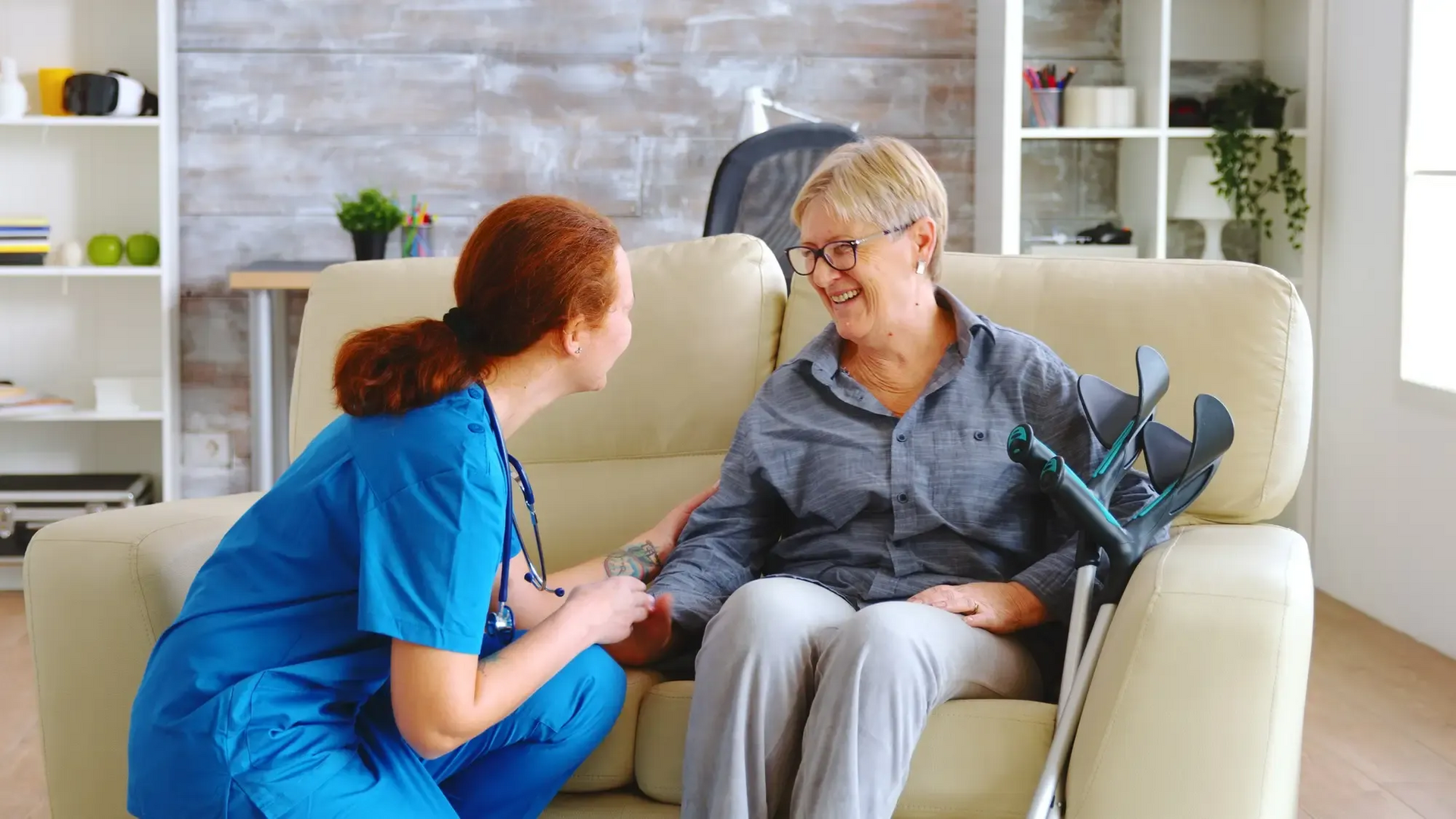
Home care, sometimes called non medical home care, is support that helps a person manage daily life safely at home. It is not tied to a diagnosis or a prognosis. Someone can use home care for a short recovery after surgery, ongoing support as they age, or help managing a chronic condition for years.
Home care typically includes:
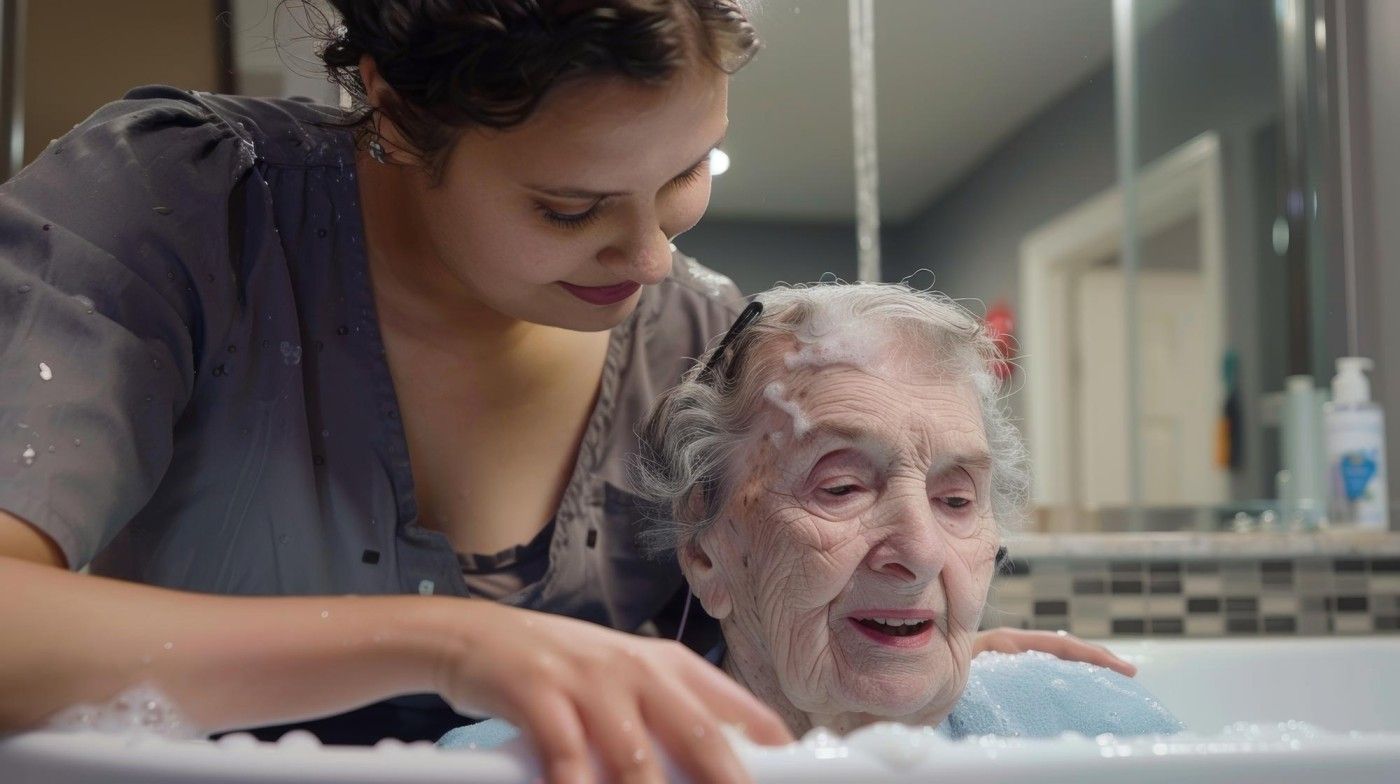
- Personal care such as bathing, dressing, and grooming
- Meal preparation and light housekeeping
- Medication reminders
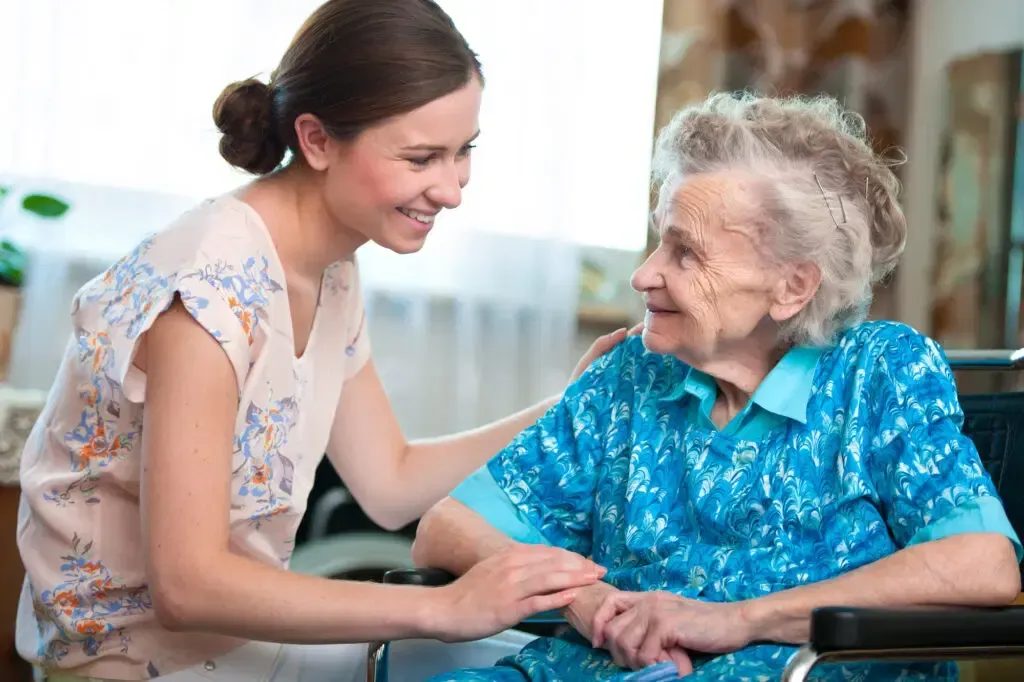
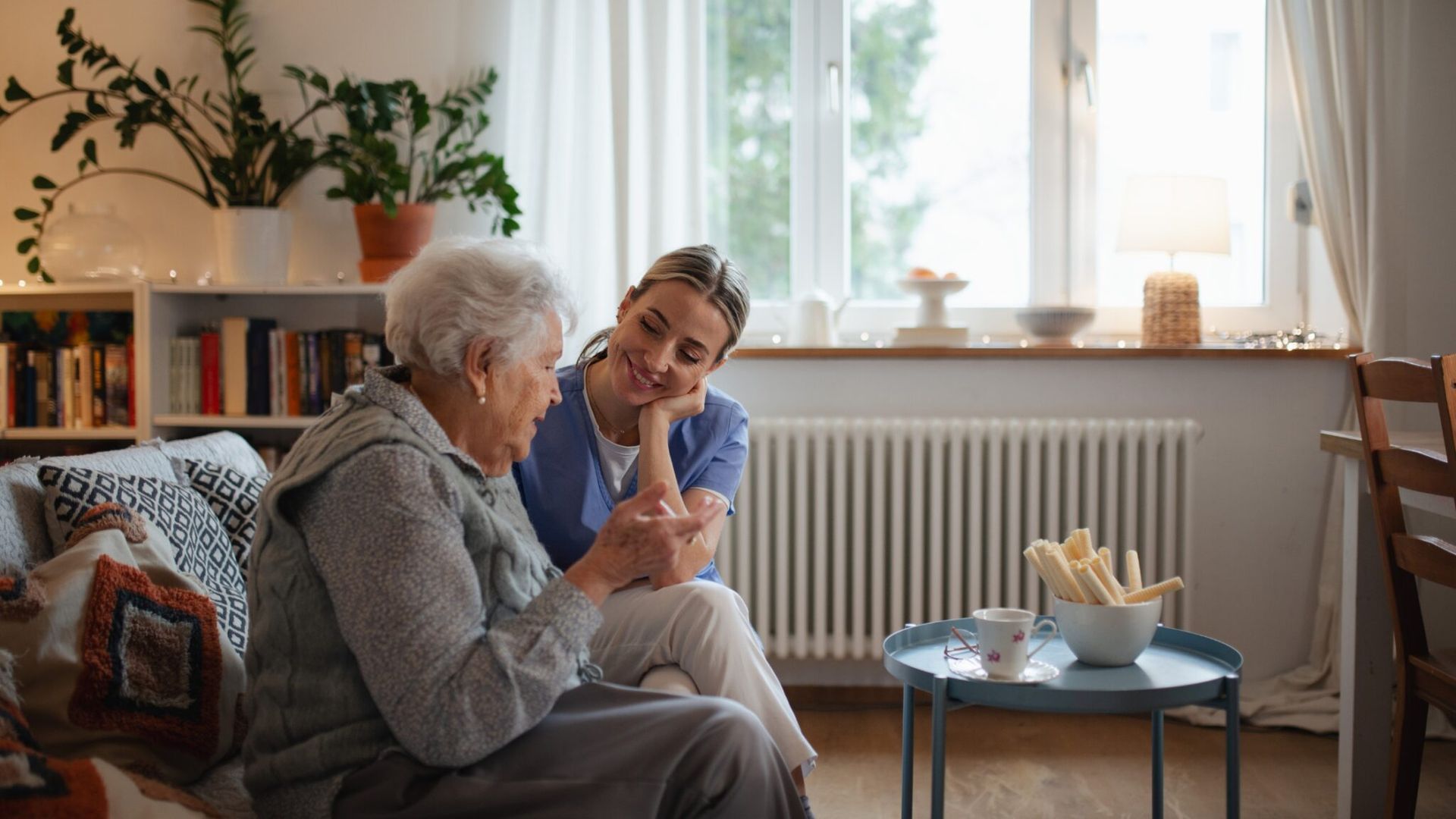
- Companionship and conversation
- Transportation to appointments and errands
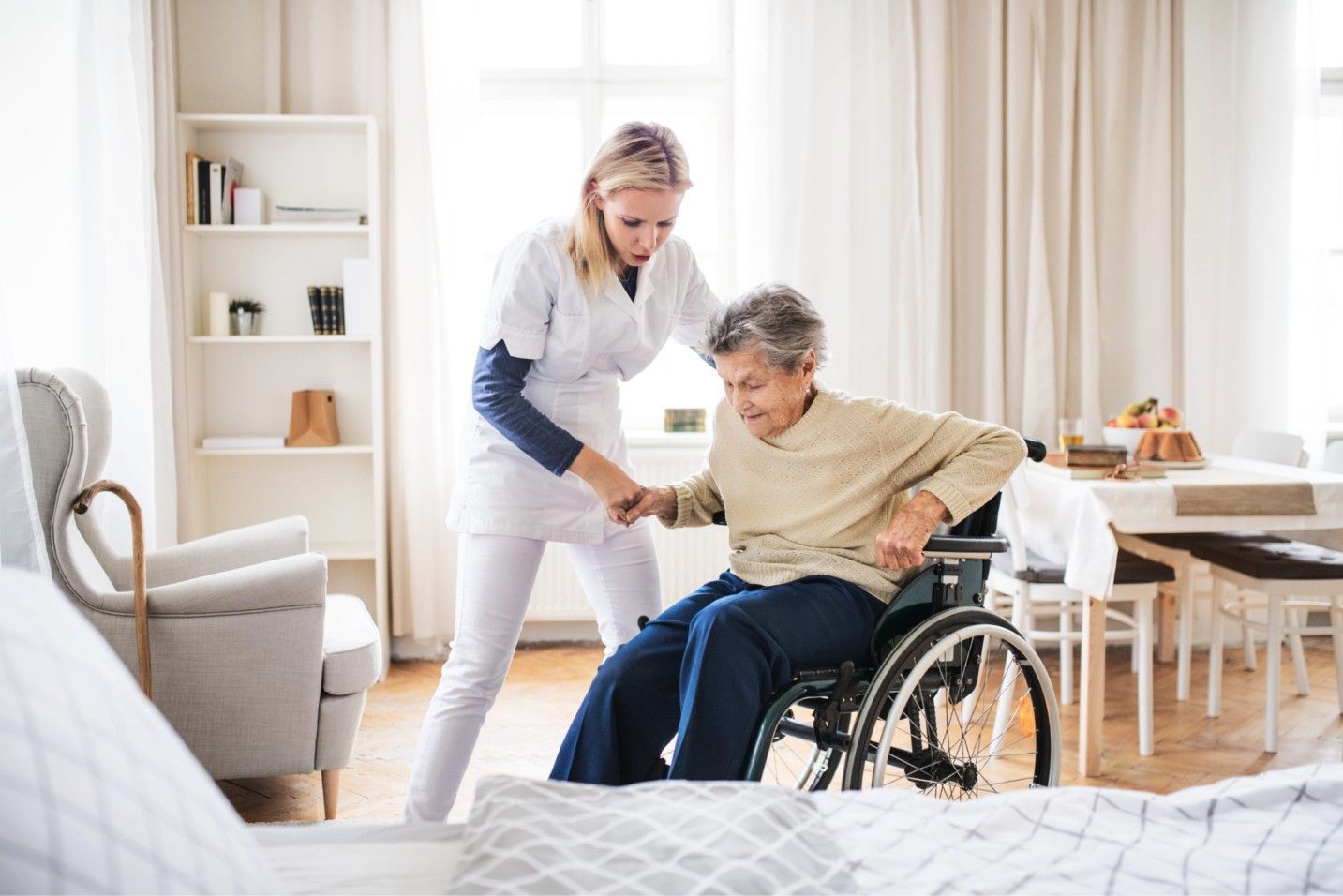
- Mobility assistance and fall prevention supervision
The goal is straightforward: help someone stay independent, safe, and comfortable in the home they know, for as long as that is the right fit.
What Hospice Care Actually Means
Hospice care is different in a fundamental way. It is specialized support for someone facing a life limiting illness, generally when a physician has determined a prognosis of six months or less if the illness runs its expected course. The focus shifts away from curative treatment and toward comfort, dignity, and quality of life in the time that remains.
According to the National Institute on Aging, hospice care centers on "the care, comfort, and quality of life of a person with a serious illness who is approaching the end of life," a description that reflects exactly the approach hospice trained caregivers bring into a family's home.
Hospice support often includes:
- Pain and symptom management, coordinated with a hospice medical team
- Emotional and spiritual support for the patient
- Guidance and support for the family through a difficult transition
- Personal care and hygiene assistance
- Grief support that can extend beyond the patient's passing
Through Akahina Home Care's hospice care services, caregivers trained specifically for this stage of life provide support that goes well beyond physical tasks, helping families navigate one of the hardest chapters with as much peace as possible.
Key Differences at a Glance
- Purpose. Home care supports daily living at any stage of health. Hospice care supports comfort during a life limiting illness.
- Timeline. Home care can last for years, or just a few weeks during recovery. Hospice care is typically associated with a prognosis of six months or less.
- Goal of treatment. Home care often works alongside medical treatment aimed at recovery or management. Hospice shifts the focus away from curative treatment toward comfort.
- Team involved. Home care usually involves a caregiver and sometimes a home health nurse. Hospice care involves a coordinated medical team including physicians, nurses, chaplains, and grief counselors, often working alongside a caregiver.
- Eligibility. Home care has no medical eligibility requirement. Hospice care requires a physician's determination of a qualifying prognosis.
Can Someone Receive Both at the Same Time
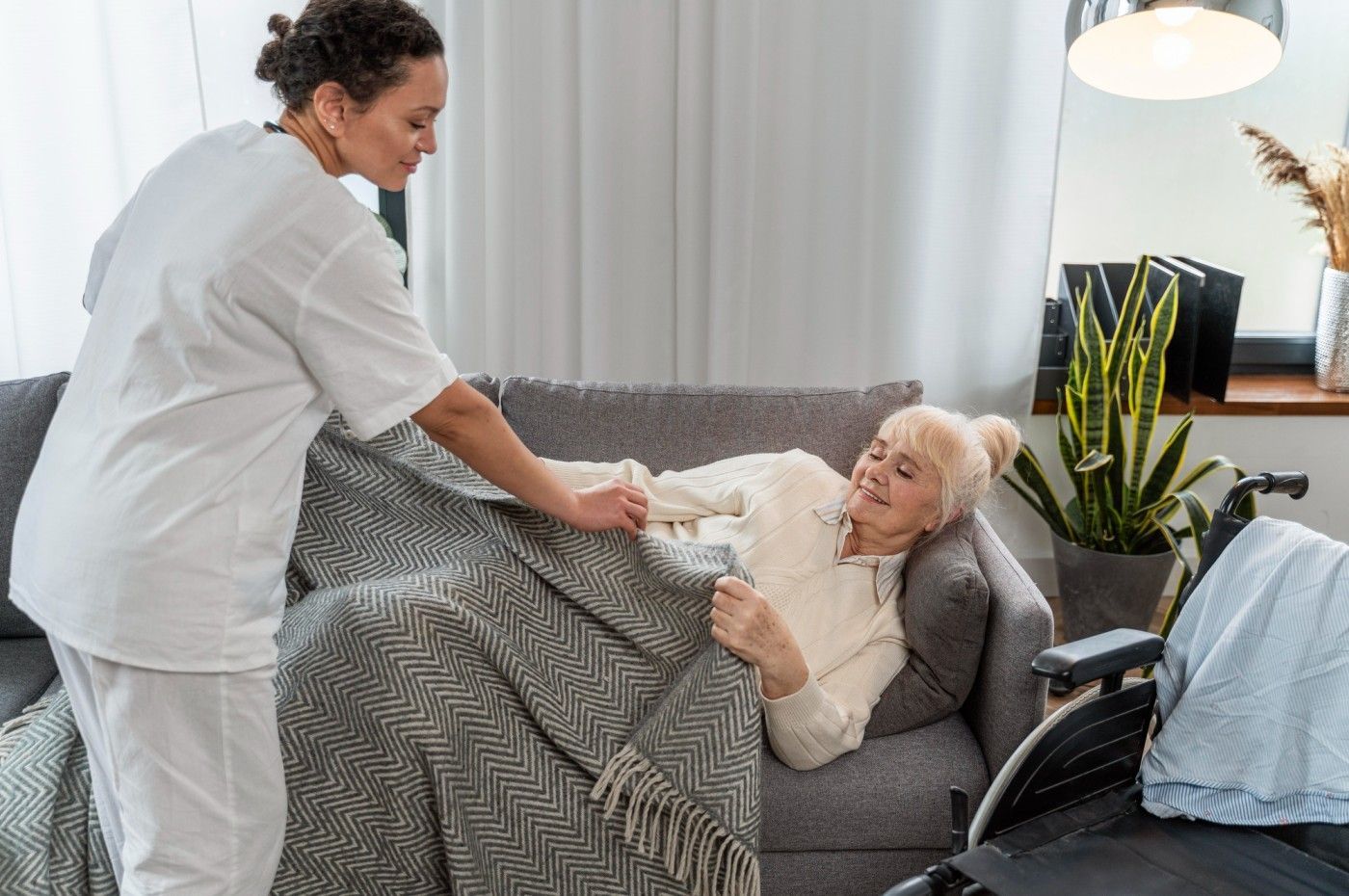
Yes, and this is one of the most common points of confusion. A family can absolutely have a non medical caregiver providing daily support, companionship, and personal care while a separate hospice team manages medical symptom control and end of life planning. The two work well together rather than competing, since hospice covers the clinical and emotional dimensions of end of life care while a caregiver continues to provide the steady daily presence a family often cannot maintain alone.
Many Riverside families find that having consistent non medical support in place before hospice becomes necessary actually makes the eventual transition smoother, since the caregiver relationship and daily routine are already established.
At Akahina Home Care, our caregivers can continue providing that same daily personal care and companionship alongside a hospice team, so the family never has to give up the consistency they have already built.
Signs It Might Be Time to Consider Hospice
These conversations are never easy, but recognizing the signs early allows a family to make a thoughtful decision rather than a rushed one.
- A physician has indicated a prognosis of six months or less
- Curative treatment is no longer working or the patient has chosen to stop pursuing it
- Frequent hospitalizations are happening with diminishing benefit
- The focus of care has naturally shifted toward comfort rather than recovery
- The patient has expressed a wish to spend remaining time at home, surrounded by family
If even one of these feels familiar, it is worth having a conversation with the patient's physician about a hospice evaluation.
Signs Home Care Might Be the Right Fit Instead
Home care may be the better starting point if a loved one:
- Is managing a chronic condition but not facing a life limiting prognosis
- Needs help recovering from an illness, injury, or surgery
- Is aging and beginning to struggle with daily tasks
- Would benefit from companionship and supervision without a medical urgency
- Has a family caregiver who needs consistent, reliable support
For many Riverside families, home care is where the journey begins long before hospice ever becomes relevant, sometimes years before, simply as a way to keep a loved one safe and supported at home.
What the First Weeks of Care Usually Look Like
Whether a family starts with home care or transitions into hospice, the early period is an adjustment for everyone involved. Trust builds gradually, routines take shape, and the caregiver becomes a familiar, welcome presence rather than a stranger in the house. We have written about exactly what this looks like in our related article, The First 30 Days of Home Care in Murrieta, which walks through how that early relationship typically develops week by week.
The same patience and communication that shape a strong home care relationship carry directly into hospice care when that transition eventually becomes necessary.
How to Start the Conversation With Your Family
Bringing up hospice or home care with a loved one is rarely easy, but a few things tend to help.
- Start with observations rather than conclusions, describe what you have noticed rather than announcing a decision
- Involve the person's physician early, since a professional opinion often carries weight a family member's alone cannot
- Ask the person what matters most to them for this stage of life, comfort, independence, time with family
- Give the conversation room to happen more than once, these decisions rarely settle in a single sitting
- Reach out to a care provider for guidance even before a final decision is made
A free in-home assessment can also help clarify which type of support actually fits the situation, without any pressure to commit before you are ready.
Frequently Asked Questions
Does hospice care mean giving up hope?
No. Hospice is about shifting the goal of care toward comfort and quality of life rather than curative treatment. Many families describe it as choosing to focus on meaningful time rather than difficult procedures with diminishing benefit.
Can hospice care happen at home?
Yes, most hospice care takes place wherever the patient lives, whether that is a private home, an assisted living community, or a family member's house.
Is home care only for seniors?
No. While many clients are older adults, home care can support anyone recovering from surgery, managing a disability, or needing daily assistance regardless of age.
How is hospice care paid for?
Hospice is typically covered by Medicare, Medicaid, and most private insurance plans. Non medical home care is generally paid privately, through long term care insurance, workers compensation, or VA Aid and Attendance benefits, depending on the situation.
What if we are not sure which type of care is needed?
That uncertainty is common, and a conversation with a care coordinator or the patient's physician can help clarify the right next step without requiring an immediate decision.
We Are Here for Every Stage of This Journey
Whether your family needs steady daily support or specialized comfort care during a difficult season, understanding the difference between these two kinds of help is the first step toward making a decision that feels right.
Akahina Home Care is a military family owned agency proudly serving Riverside and the surrounding Southern California communities with both personalized non medical home care and compassionate hospice support. Our caregivers are trained to meet families exactly where they are, whether that is helping a loved one stay independent at home or providing comfort and dignity during life's final chapter.
Call us at 951-434-7379 or contact our care team today to talk through your family's situation. You do not have to figure out which type of care is right on your own, we are here to help you decide.