How In-Home Care Gives Riverside Seniors More Independence Without Leaving Home
Can in-home care actually help a senior stay more independent, not less?
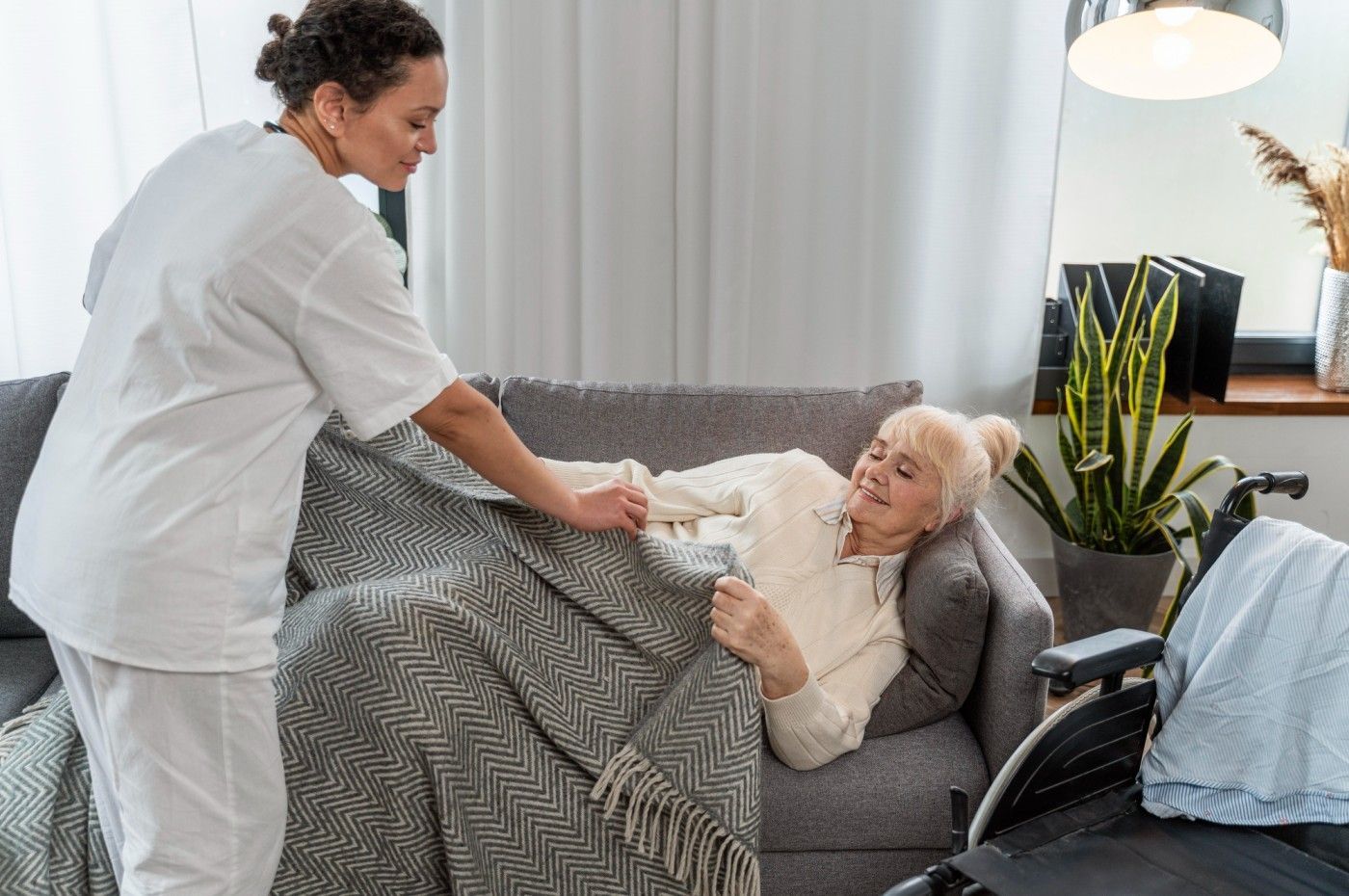
professional in-home care is built specifically to support independence, not replace it. By handling the tasks that have become unsafe or exhausting, a caregiver frees up energy for the things a senior can still do fully on their own, in the home they already know.
At Akahina Home Care, we see this shift happen with Riverside families every week, and it rarely looks like what people expect.
The Independence Myth Families Worry About
A lot of families hesitate to bring in home care because they worry it sends the wrong message — that Mom or Dad can't handle things anymore. It's an understandable fear. Nobody wants a parent to feel like their independence is being taken away.
But here's what actually tends to happen: independence isn't an all-or-nothing thing. It's made up of dozens of small daily abilities — cooking, bathing safely, remembering medication, getting to appointments. When one or two of those become difficult, a senior often starts avoiding activities altogether rather than asking for help. That's when independence actually starts shrinking.
In-home care reverses that pattern by supporting the hard parts, so the rest of daily life stays fully theirs.
How Support Actually Preserves Independence
It Removes the Riskiest Tasks, Not the Meaningful Ones
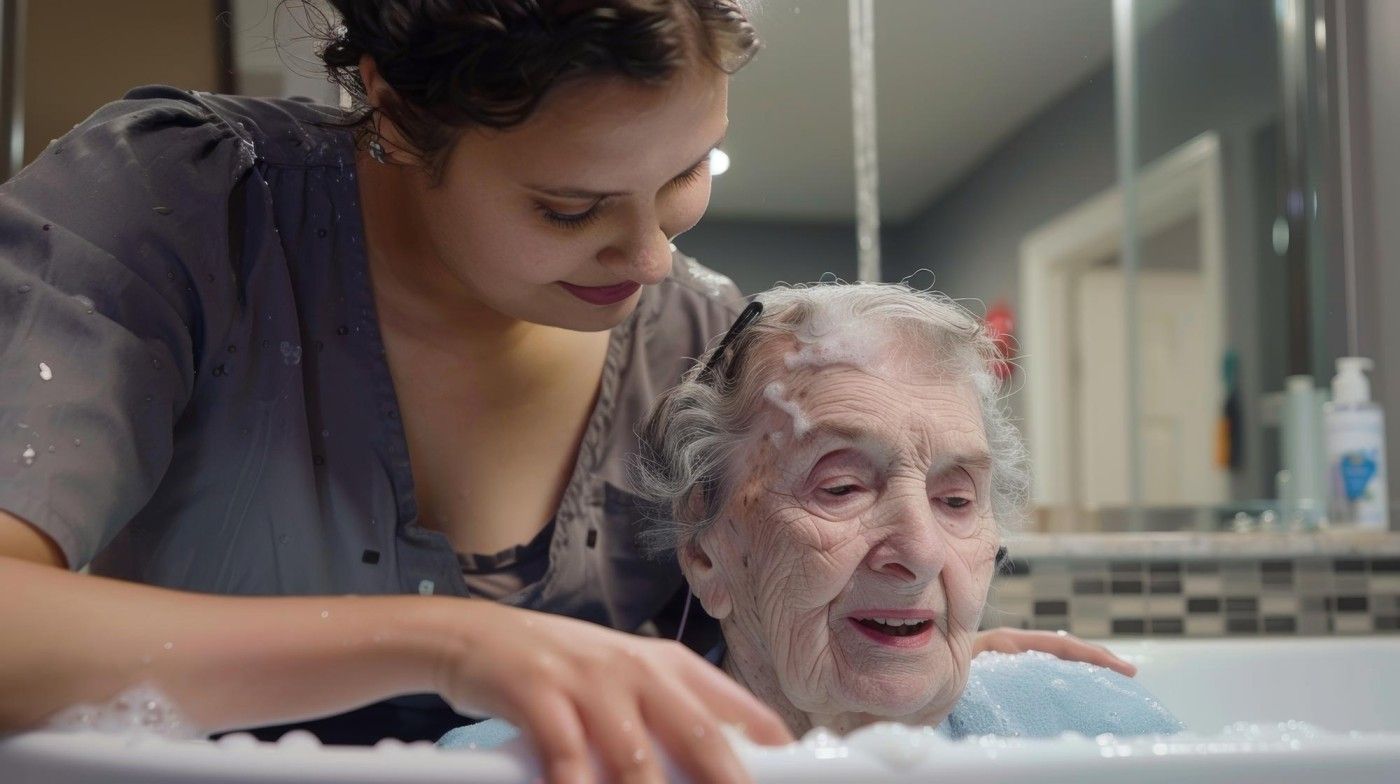
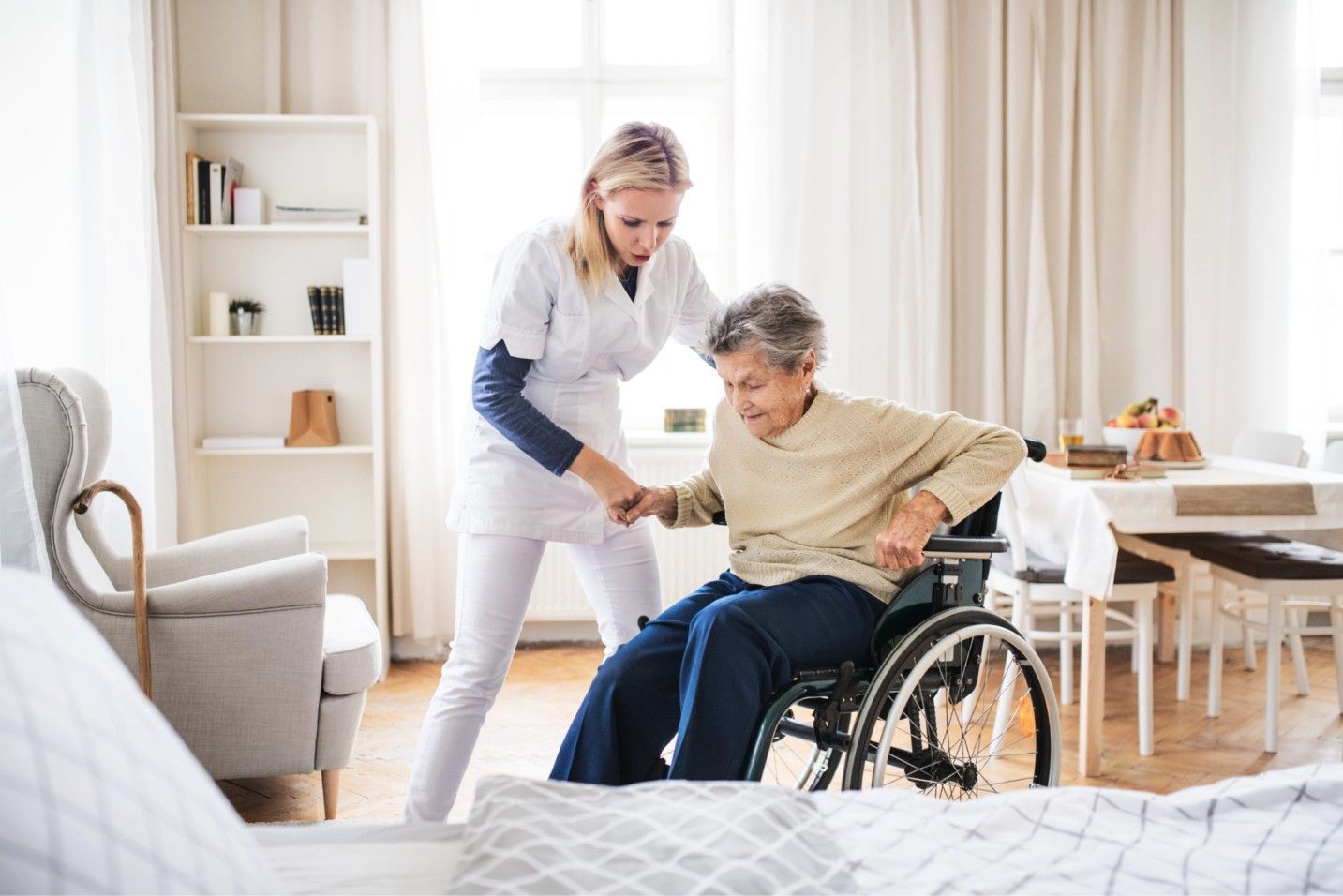
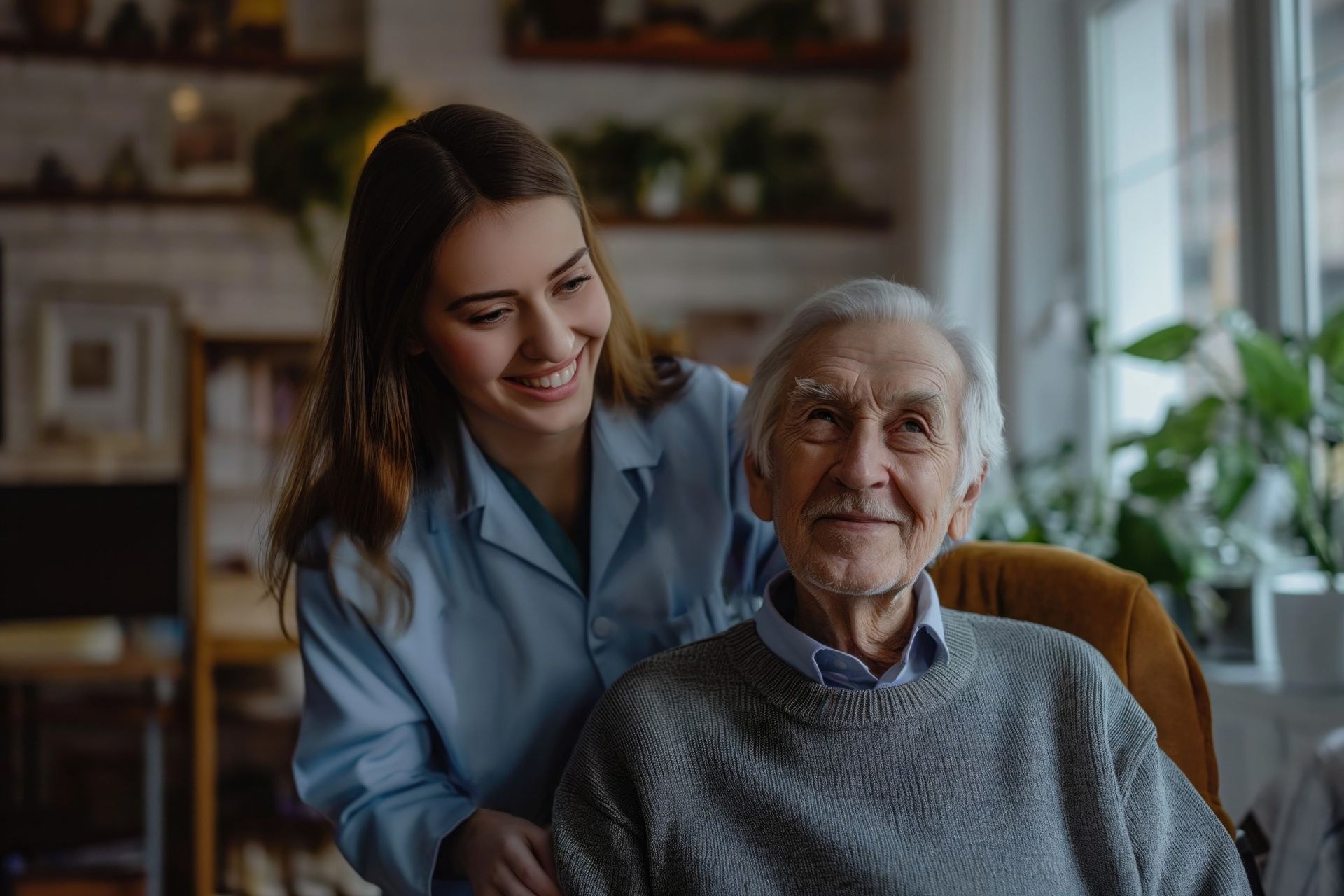
A caregiver isn't there to take over. They're there to handle the specific tasks that carry real risk — like getting in and out of the shower, managing a complex medication schedule, or preparing meals safely. Everything else — hobbies, conversation, decision-making, daily routine — stays exactly where it belongs: with your loved one.
It Keeps Seniors in the Home They Know
Familiar surroundings matter more than people often realize. A senior who knows exactly where the light switches are, which chair is theirs, and how their kitchen is arranged retains a level of confidence and autonomy that a new facility simply can't replicate.
Through our Home Care in Riverside services, seniors continue living in their own homes, in their own neighborhoods, while getting exactly the support they need.
It Adjusts as Needs Change, Instead of Forcing a Move
One of the biggest advantages of in-home care over a facility is flexibility. Care can start with just a few hours a week and grow gradually — a few more hours, added personal care support, eventually even 24-hour care if safety requires it. There's no need to uproot someone from their home just because their needs increased.
It Encourages Activity Instead of Replacing It
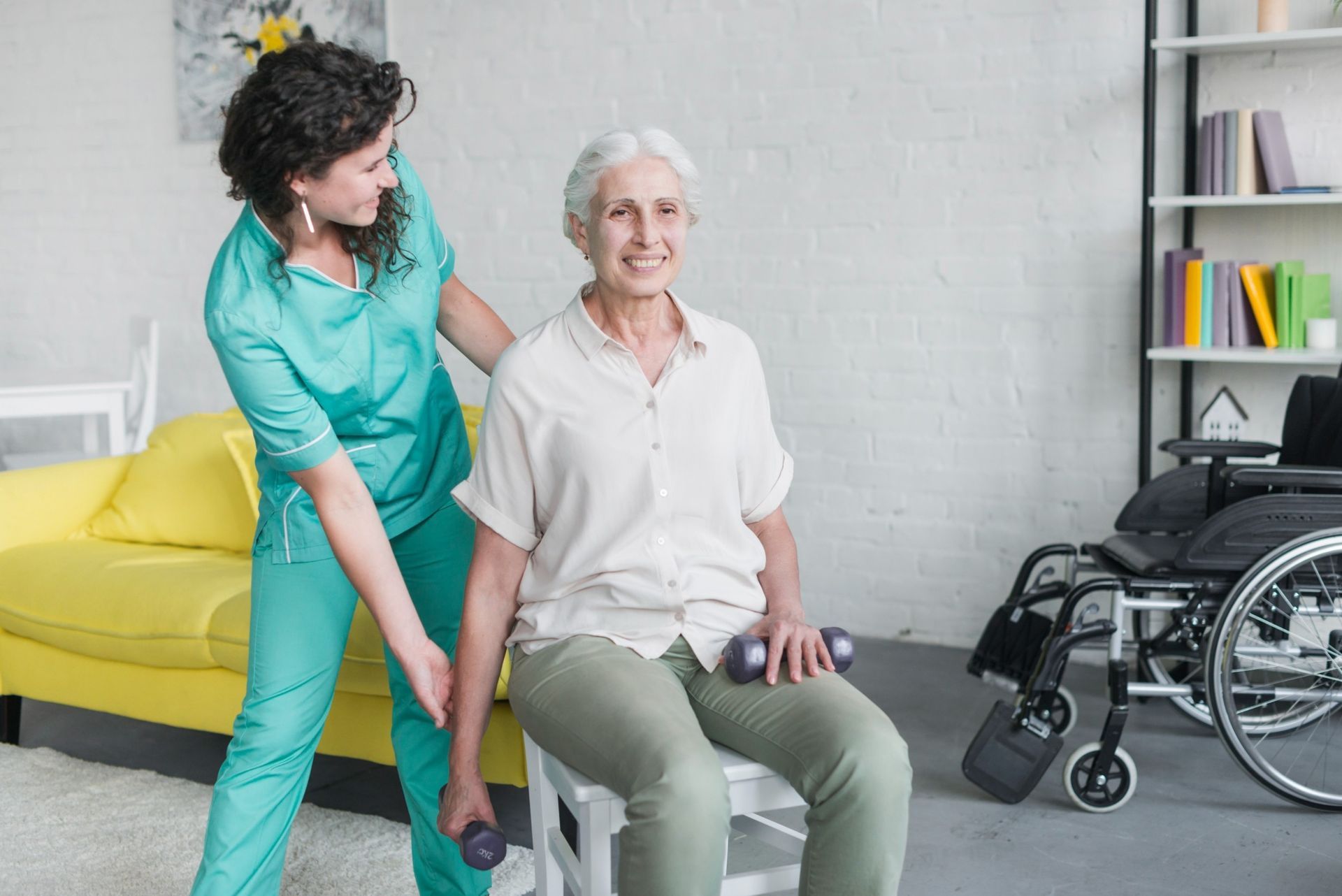
Good caregivers don't do things for a senior that the senior can still do — they do things with them. If someone enjoys cooking, a caregiver cooks alongside them rather than taking over the kitchen. If gardening is still possible with a little help, that help shows up in the form of steady support, not a replacement task.
What a Typical Week Looks Like With In-Home Support
Independence-focused home care in Riverside often includes:
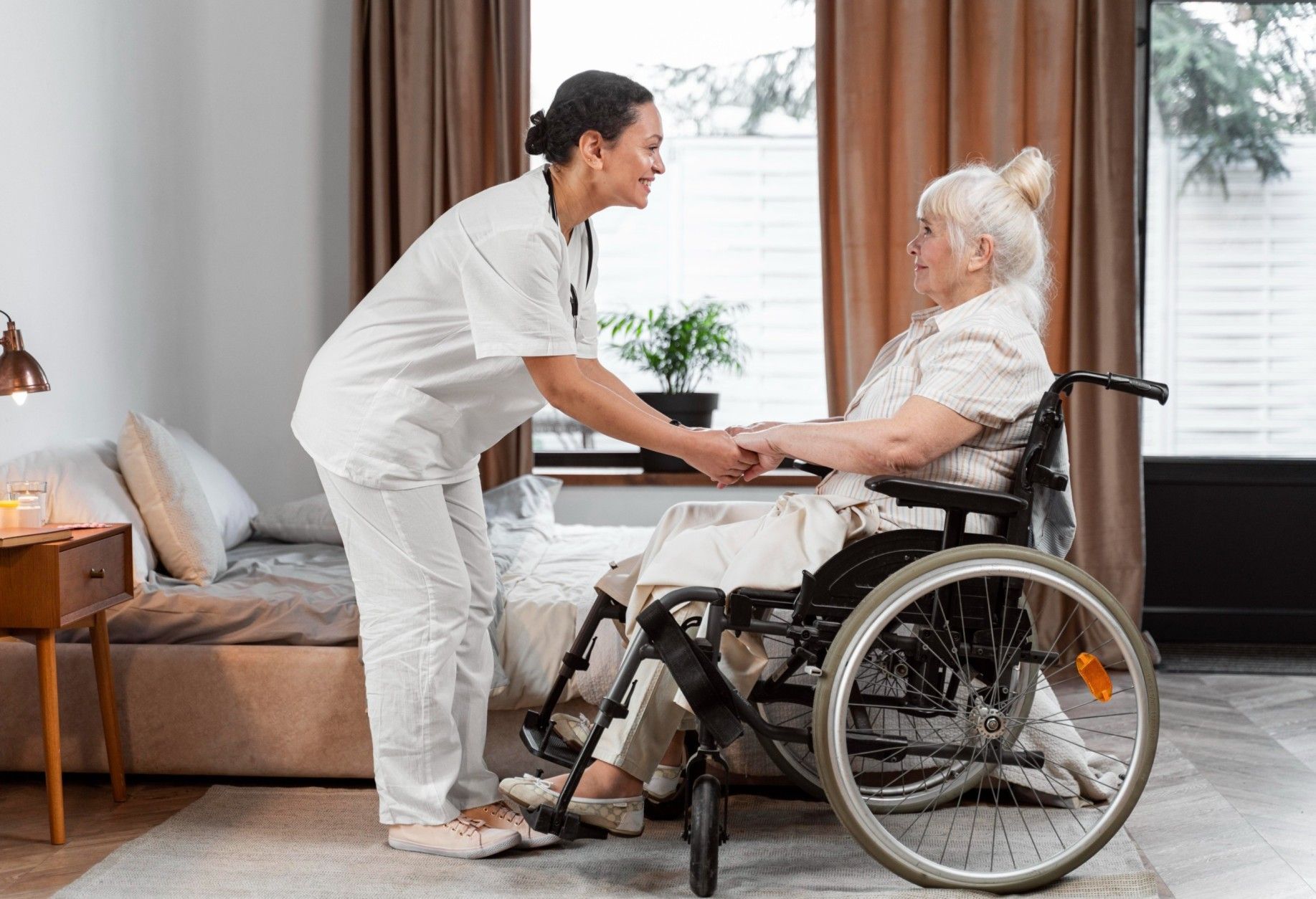
- Personal care assistance — bathing, dressing, and grooming, handled with dignity and patience
- Medication reminders — so timing and dosage stay on track without confusion
- Meal preparation — nutritious meals built around personal preferences and dietary needs
- Light housekeeping — a clean, safe home environment maintained without added strain
- Transportation — rides to appointments, errands, or social visits that keep a senior engaged with the community
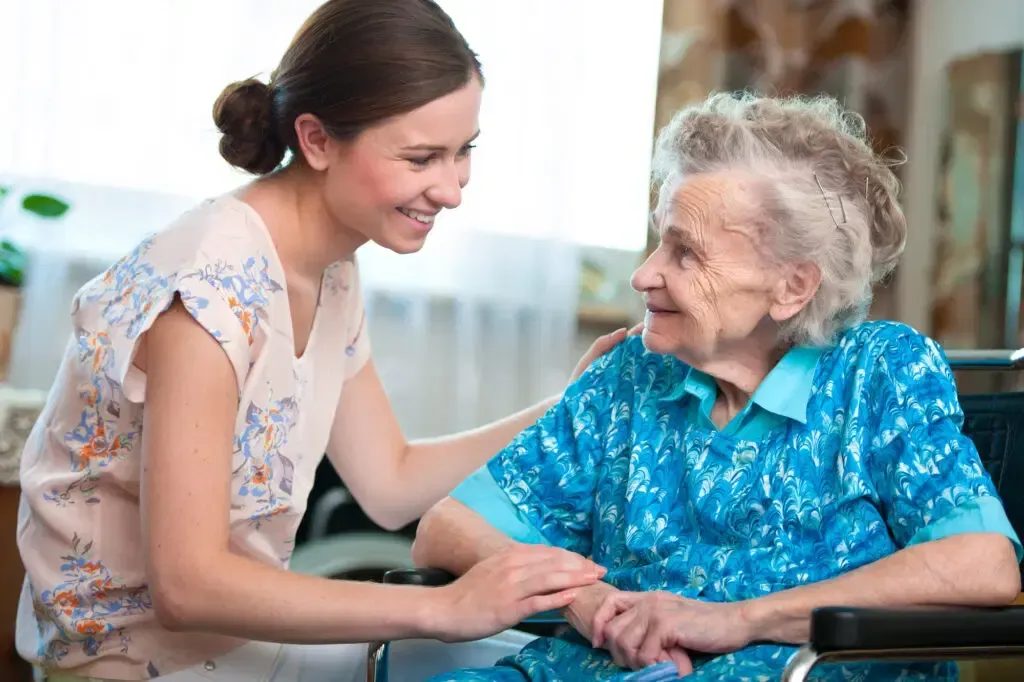
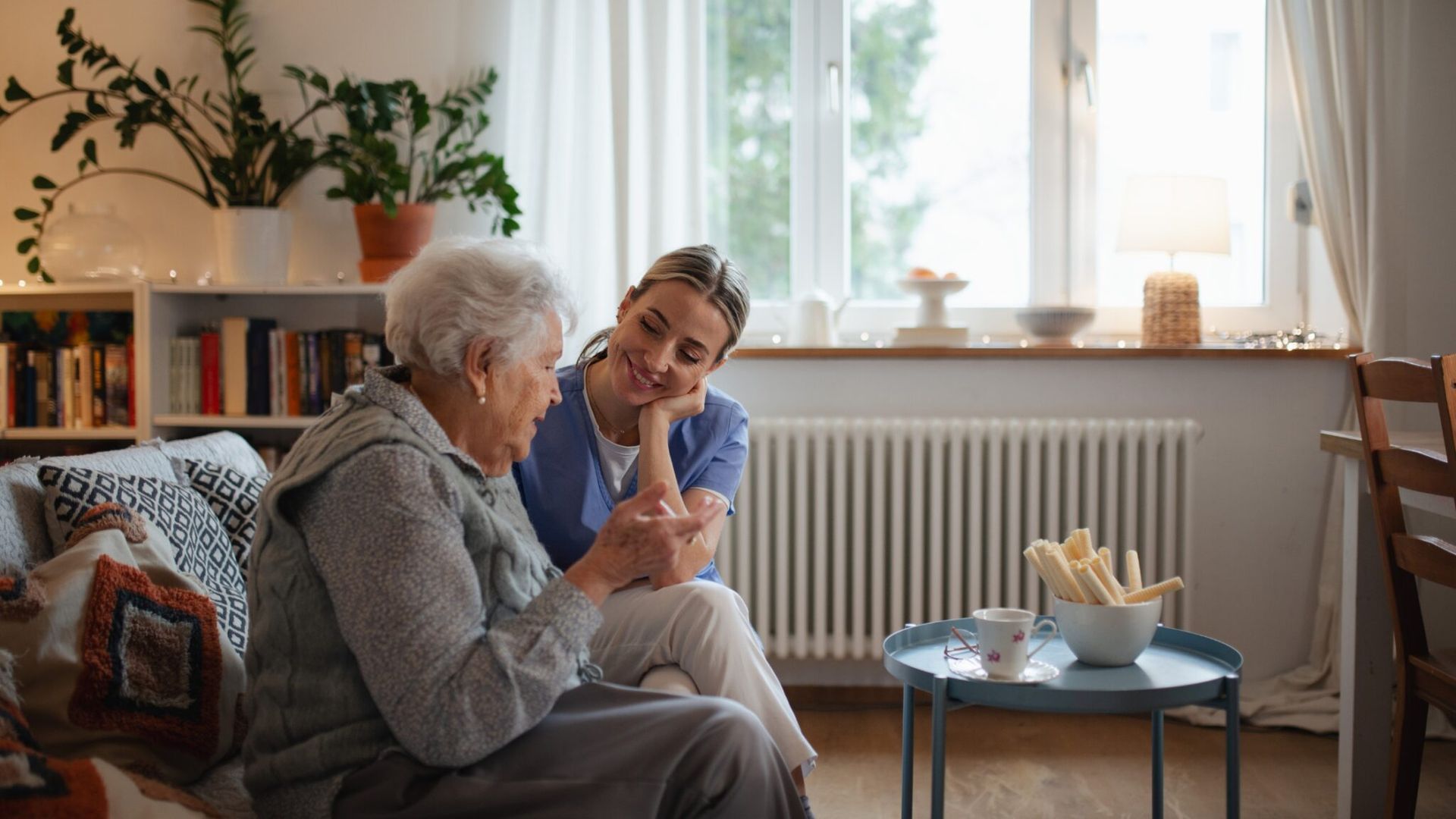
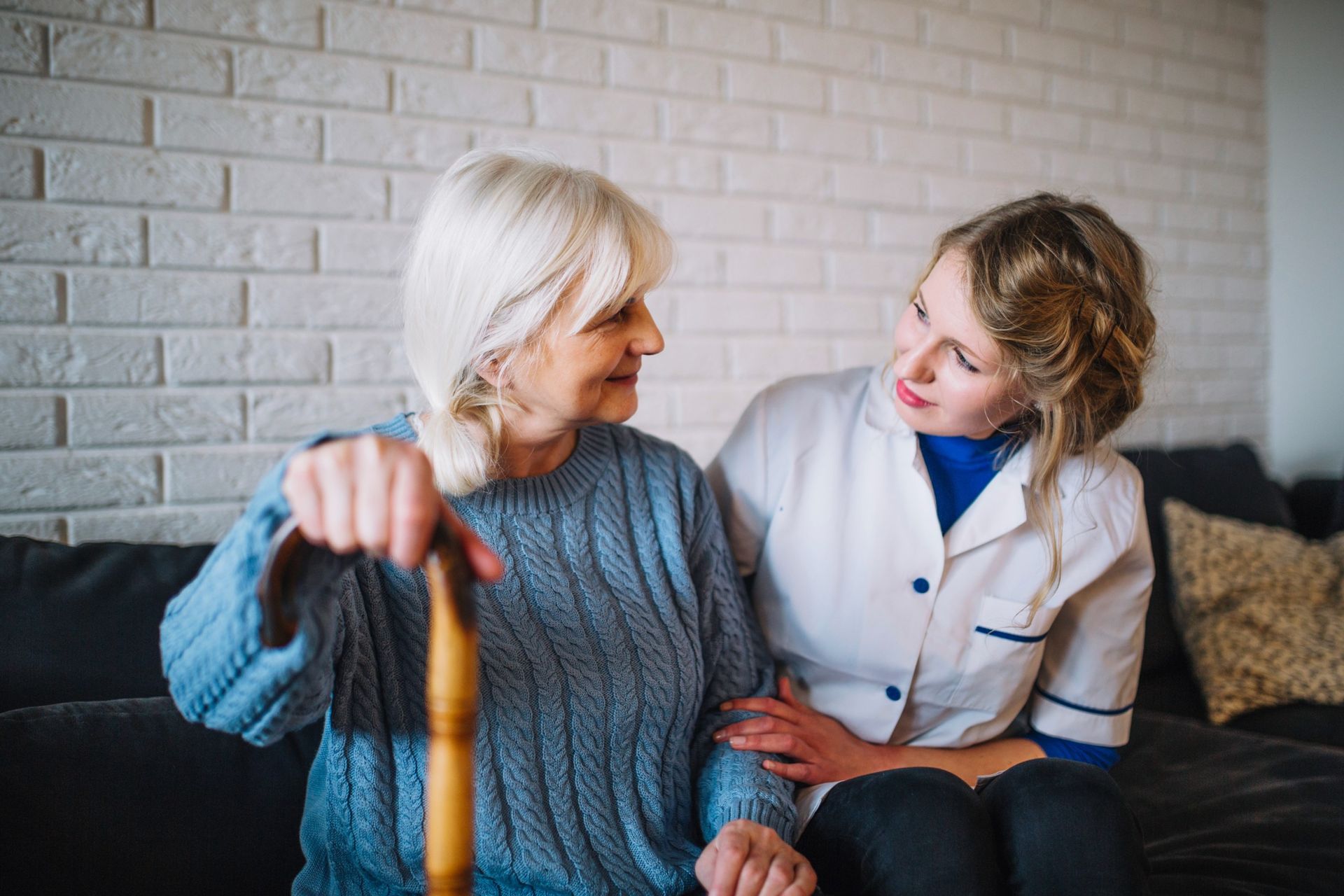
- Companionship — real conversation, shared hobbies, and a consistent, familiar presence
None of this replaces what a senior can already do. It simply removes the barriers that were starting to get in the way.
Why the First Few Weeks Matter So Much
Families sometimes assume a caregiver relationship should feel natural from day one. In reality, trust takes a little time to build — and that's completely normal. We've written more about what this adjustment period actually looks like in our related article, Daily Personal Care for Seniors in Riverside County, which walks through how comfort and routine typically develop week by week.
What we consistently see: once trust is established, seniors stop viewing their caregiver as "help they need" and start viewing them as a familiar, welcome part of their day. That shift is often when families notice their loved one seeming more engaged, more social, and more like themselves again.
Signs In-Home Care Could Support Greater Independence
It's worth considering in-home care if your loved one:
- Has started avoiding certain tasks out of fear of falling or making a mistake
- Is skipping meals or medications simply because managing them alone has become hard
- Has withdrawn from hobbies or social activities they used to enjoy
- Seems anxious about being alone for long stretches
- Has mentioned wanting to stay in their own home but worries about managing on their own
None of these signs mean independence is gone. They usually mean it just needs a little support to keep going strong.
What Families Gain Alongside Their Loved One
Independence isn't only about the senior receiving care — it also changes life for the family around them. Adult children who've been quietly worrying, checking in constantly, or driving across town after work to help with dinner often find that a consistent caregiver relieves a weight they didn't fully realize they were carrying.
That shift tends to show up in a few specific ways:
- Fewer emergency scrambles — a familiar caregiver is already there to notice small changes before they become urgent
- More present visits — family time can go back to being about connection instead of catching up on chores or errands
- Shared peace of mind — everyone in the family, not just the primary caregiver, gets reassurance that a trained professional is involved
- Room to rest — family caregivers can step back from around-the-clock worry without stepping away from their loved one's life
Independence for the senior and relief for the family aren't competing goals. In practice, they tend to grow together.
What About Cost?
Cost is a fair and common concern, and it varies based on how many hours of support are needed and what level of personal care is involved. Many Riverside families are able to offset the cost of in-home care through:
- Long-term care insurance
- VA Aid and Attendance benefits for eligible veterans and surviving spouses
- Workers' compensation, when care relates to a workplace injury
- Private pay, with scheduling built around what the family can manage
A free in-home assessment is the most reliable way to get an accurate picture, since it accounts for your loved one's actual needs rather than a generic estimate.
Frequently Asked Questions
1.Will a caregiver take over tasks my parents can still do themselves?
No. Good in-home care is built around supporting what a senior struggles with while encouraging them to continue everything they're still capable of doing.
2.Is in-home care only appropriate for seniors with serious health conditions?
Not at all. Many Riverside families start with light support — companionship, transportation, meal help — well before health becomes a serious concern.
3.Can care increase over time if my parent's needs change? Yes. Care plans are built to grow with changing needs, from a few hours a week up to full 24-hour care if safety requires it.
4.How is in-home care different from moving to assisted living?
In-home care allows a senior to stay in their own home and community, with one-on-one attention, rather than adjusting to an entirely new environment and shared staff attention. For many families, the emotional cost of a sudden move is a bigger factor than they initially expect, and staying home avoids that disruption entirely.
5.How quickly can in-home care start in Riverside?
Most families can schedule a free in-home assessment within days, with care beginning shortly after a plan is put together and the right caregiver match is found.
6.Does starting with a small amount of care mean we're locked into that level going forward?
Not at all. Care plans are designed to be revisited regularly. Many families start with light, occasional support and adjust hours up or down as circumstances change.
Independence Looks Different for Everyone — Support Should Too
The goal of in-home care was never to take over a senior's life. It's to protect the parts of daily living that matter most to them, while quietly handling the parts that have become too risky or exhausting to manage alone.
Akahina Home Care is a military family–owned agency proudly serving Riverside and the surrounding Southern California communities with personalized, non-medical home care built around real independence — not a one-size-fits-all routine. Whether your loved one needs a few hours of weekly support or full daily care, our team builds a plan around their actual life.
Call us at 951-434-7379 or contact our care team today to schedule a free in-home assessment. Independence doesn't have to mean doing everything alone — and it doesn't have to mean leaving home, either.