The First 30 Days of Home Care in Murrieta
What should families expect during the first 30 days after starting home care for a loved one in Murrieta?

For most families, the first month is a time of adjustment, learning, and reassurance. It's natural to feel uncertain about bringing a caregiver into your home, especially if your loved one has always been independent. You may wonder how they'll react, whether they'll feel comfortable with someone new, or if home care will truly improve their quality of life.
We've found that these concerns are completely normal, and in many cases, they disappear much sooner than families expect. At Akahina Home Care, we've helped many seniors throughout Murrieta successfully transition into home care while maintaining their independence, dignity, and daily routines. Our goal isn't to change how someone lives—it's to provide the support that allows them to continue enjoying life safely in the comfort of their own home.
Through our personalized Home Care in Murrieta services, we work closely with both seniors and their families to create a care experience built on trust, compassion, and respect. Every person we serve has a unique story, which is why we believe every care plan should be just as unique.
Why the First Month Is So Important
The first 30 days often set the tone for the entire caregiving relationship. During this time, everyone is learning.
We're learning about your loved one's routines, preferences, hobbies, personality, and goals. Your loved one is getting to know their caregiver and discovering how home care can actually make daily life easier instead of taking away their independence.
Family members are learning how professional home care fits into their lives and how it can reduce stress while improving their loved one's quality of life.
When this first month is approached with patience, open communication, and personalized care, it creates a strong foundation for a successful long-term relationship.
Rather than rushing the adjustment process, we focus on building trust one visit at a time.
Before Care Begins: Getting to Know Your Family
One of the biggest reasons home care succeeds is because it starts long before the first caregiver arrives.
Before we begin providing services, we spend time getting to know both the seniors and their family.
We discuss daily routines, health concerns, mobility, favorite meals, hobbies, medications, sleep schedules, transportation needs, and the level of assistance that's appropriate.
Some seniors only need companionship for a few hours each week. Others may require help with meal preparation, personal care, light housekeeping, medication reminders, or transportation to appointments.
Instead of offering the same care plan to everyone, we customize every service around the individual.
This planning stage also gives families an opportunity to ask questions, express concerns, and discuss expectations.
We believe communication is one of the most important parts of successful home care, and we want every family to feel informed before services begin.
Week One: Building Comfort Before Routine
The first week is rarely about completing a checklist of tasks.
Instead, it's about building a relationship. We understand that inviting someone into your home requires trust, and trust cannot be rushed.
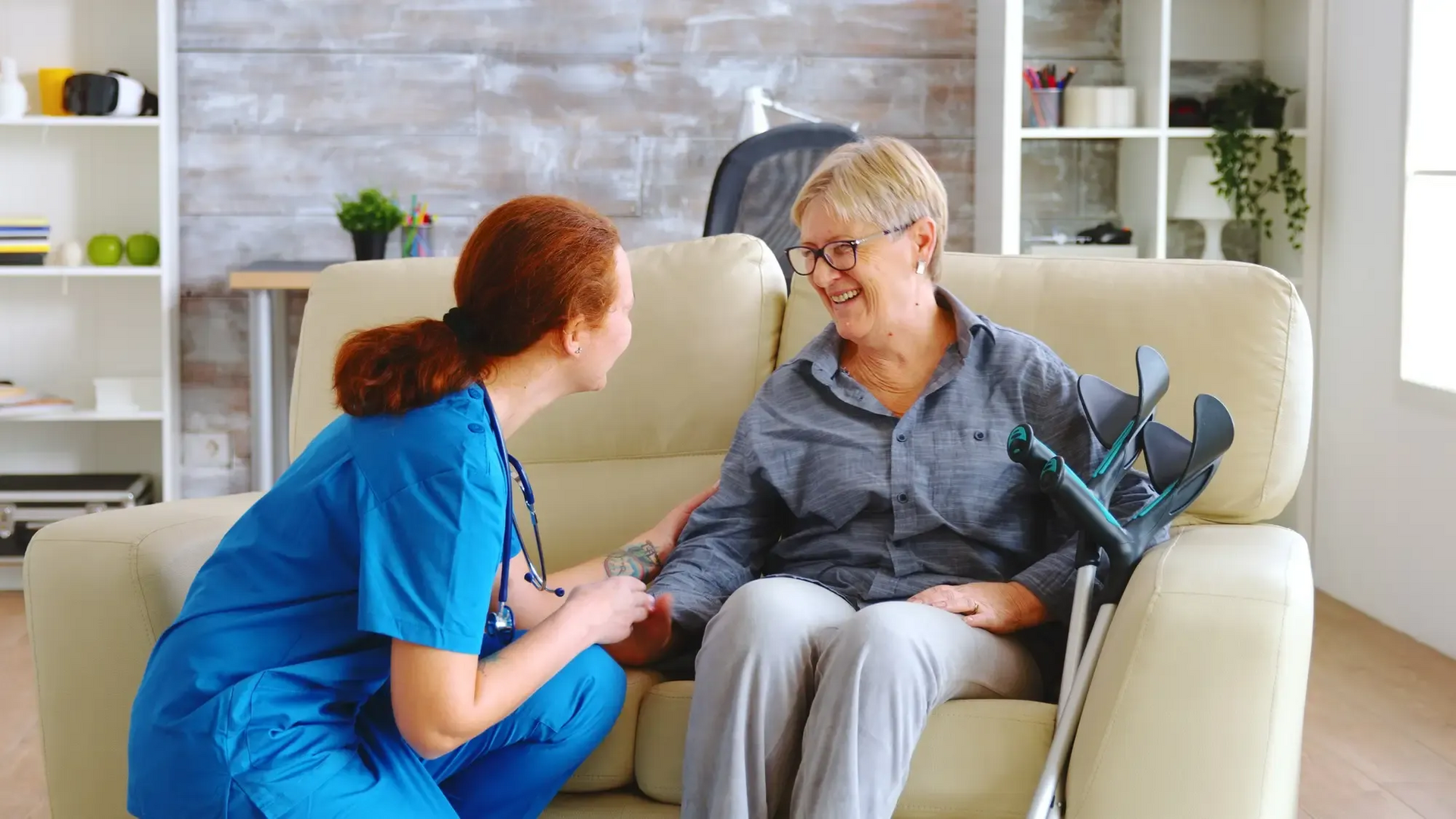
Our caregivers take the time to get to know each client as a person, not simply as someone receiving care. Some seniors enjoy talking about their careers, military service, or family history.
Others love discussing gardening, cooking, sports, music, or grandchildren. These conversations may seem simple, but they're incredibly important.
Meaningful companionship helps create familiarity, reduces anxiety, and allows seniors to feel comfortable with someone new entering their daily lives.
As comfort grows, everyday assistance begins to feel less like receiving help and more like spending time with a trusted friend.
It's Normal for Seniors to Feel Hesitant
One concern we hear from families is, "What if Mom or Dad doesn't want home care?" This is actually very common. Many older adults worry that accepting help means they've lost their independence. Others don't want to feel like they're becoming a burden to their family.
Some simply aren't comfortable with change. We completely understand these feelings. Rather than forcing routines or taking over responsibilities, our caregivers encourage independence whenever possible.
If someone enjoys preparing breakfast, we'll cook alongside them. If they like gardening, we'll help them continue spending time outdoors safely. If they prefer folding laundry while chatting over coffee, we're happy to join them.
Our role isn't to replace independence. Our role is to support it.
Once seniors realize they're still making their own decisions while receiving a helping hand, many begin viewing home care very differently.
Establishing a Routine That Feels Natural
By the second week, most clients begin developing a comfortable rhythm with their caregiver.
Familiar faces, consistent schedules, and personalized routines help create stability.
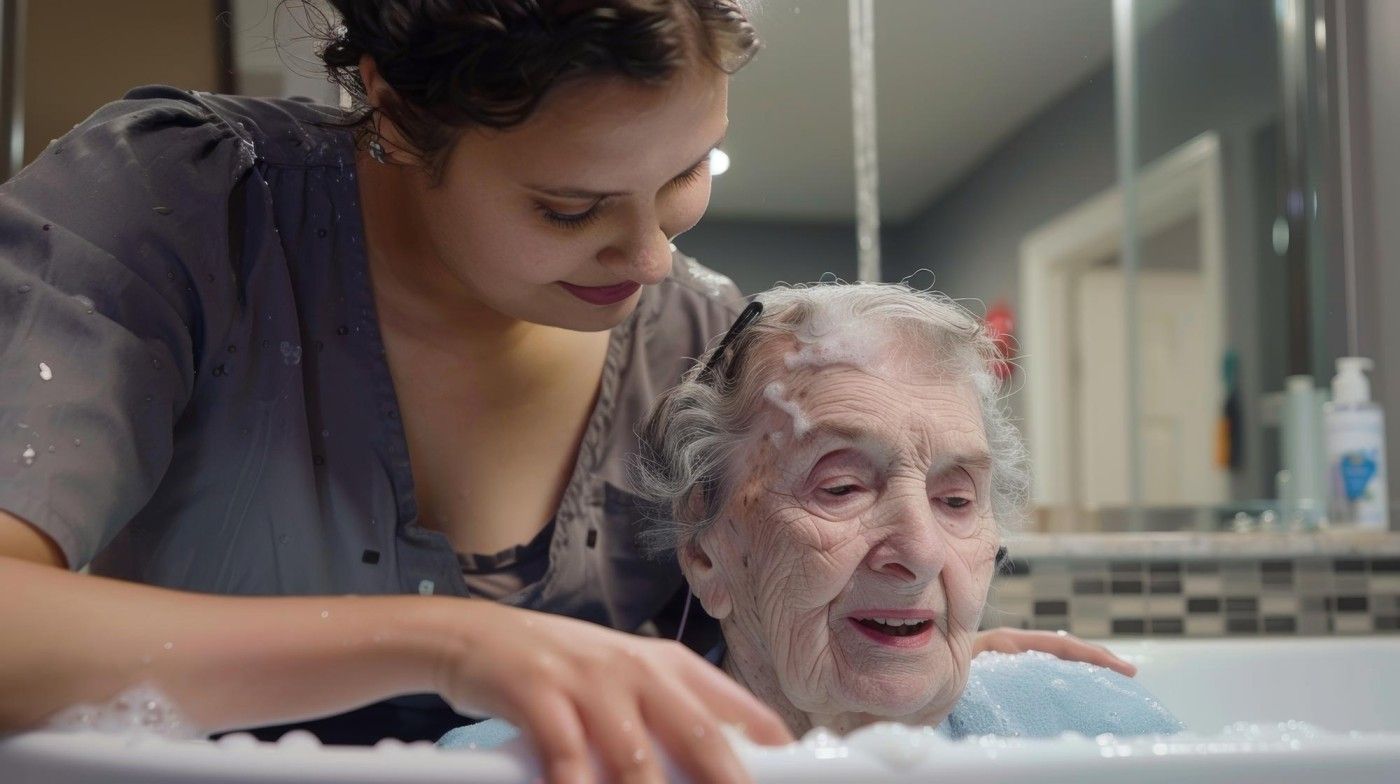
Depending on the care plan, visits may include meal preparation, medication reminders, light housekeeping, transportation, companionship, grocery shopping, or assistance with personal care.
Because every senior has different preferences, no two routines are exactly alike. Some clients enjoy beginning the morning with coffee and conversation. Others prefer taking short neighborhood walks before the day becomes warmer. Some enjoy reading together, working on puzzles, or watching favorite television programs.
The goal is never to disrupt routines but rather to strengthen them by providing the support needed to continue enjoying everyday life. Consistency also helps reduce stress for both seniors and family members.
Knowing when caregivers will arrive and understanding what each visit includes creates a sense of reliability that quickly becomes part of daily life.
Families Begin Noticing Positive Changes
During the first few weeks, it's often family members who notice the earliest improvements. Many tell us their loved one seems happier after regular caregiver visits.
Others notice improved eating habits, better organization around the home, or increased participation in favorite activities.
Sometimes the changes are subtle. A parent who had stopped cooking may begin enjoying homemade meals again. Someone who rarely left the house may begin looking forward to short outings.
A senior who spent much of the day alone now has meaningful conversations and social interaction several times each week.
These improvements don't happen because we're changing who someone is. They happen because companionship, encouragement, and consistent support help people regain confidence in their daily lives.
Families also begin experiencing something just as valuable—peace of mind.
Instead of constantly worrying whether a loved one is eating well, remembering appointments, or feeling lonely, they know someone is regularly checking in and providing compassionate care.
Communication Remains at the Center of Everything We Do
Successful home care depends on communication. That's why we maintain regular contact with families throughout the first month.
As caregivers spend more time with clients, we often learn additional details that help us personalize care even further. Perhaps your loved one enjoys afternoon walks more than morning outings. Maybe they've started eating better after trying new recipes together. Or perhaps we notice they'd benefit from a slightly adjusted schedule.
Rather than waiting until concerns become larger issues, we communicate openly with families so care plans can evolve naturally as needs change. This ongoing collaboration helps ensure everyone remains focused on the same goal: helping your loved one live safely, comfortably, and independently at home.
As the first two weeks come to an end, most seniors begin feeling more comfortable with their caregiver, and families often notice that home care is becoming a natural part of everyday life. While the first half of the month is focused on building trust and establishing routines, the second half is where those relationships continue to grow and the true benefits of personalized home care become even more apparent.
At Akahina Home Care, we know that successful home care is never just about completing tasks. It's about building meaningful relationships, adapting to changing needs, and helping seniors continue living with confidence and dignity. Our personalized Home Care in Murrieta is designed to evolve alongside each client because no two journeys are ever exactly the same.
Weeks Three and Four: Confidence Continues to Grow
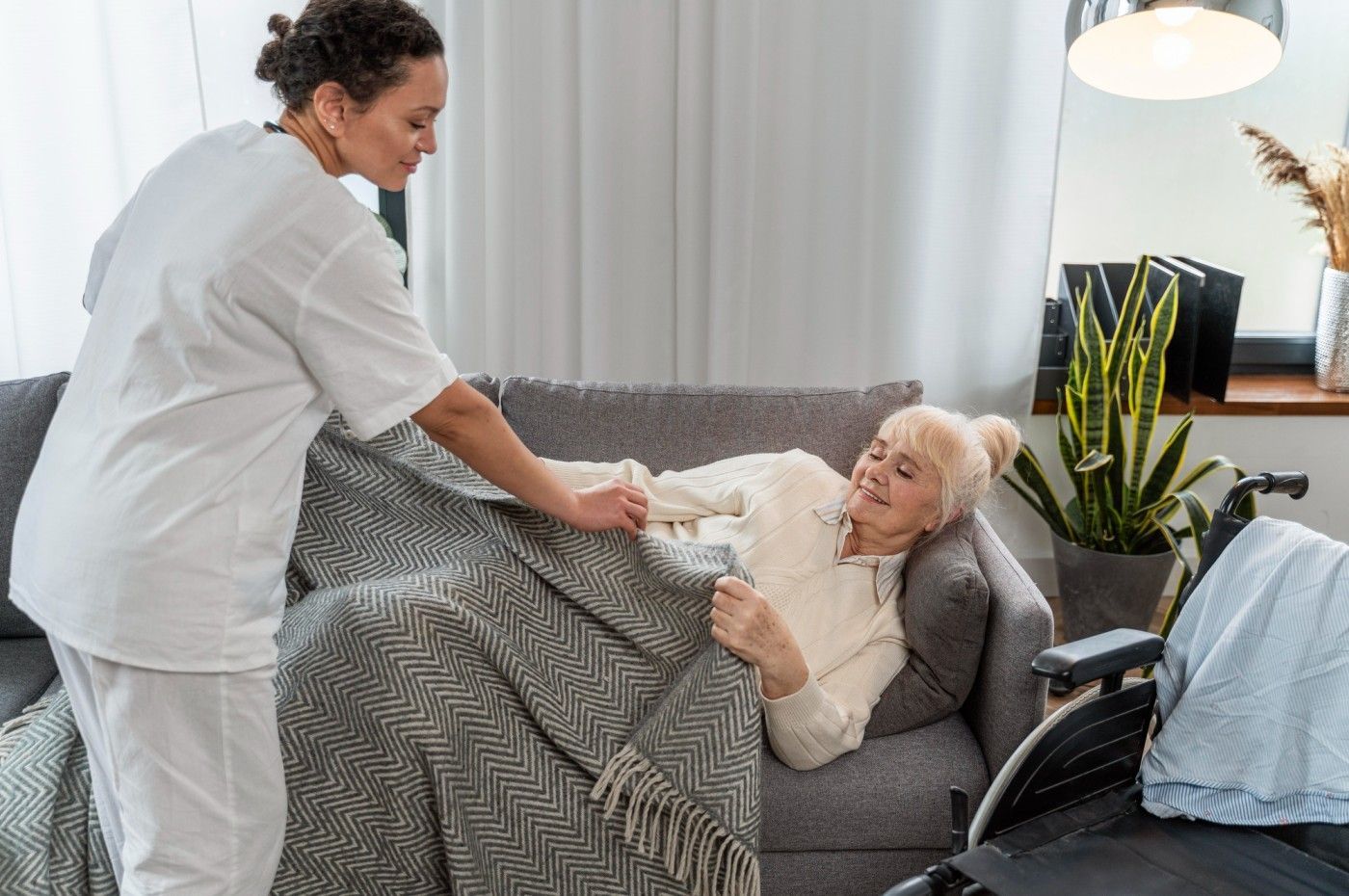
By the third week, many seniors begin viewing their caregiver as a trusted companion rather than someone simply providing assistance.
This is one of the most rewarding parts of what we do. Instead of feeling uncertain about each visit, many clients begin looking forward to them. Familiar routines become more comfortable, conversations become more natural, and trust continues to strengthen with every interaction.
We often hear family members say they notice their loved one smiling more, participating in conversations more often, or simply seeming happier than before home care began.
These positive changes may not happen overnight, but consistency makes an incredible difference. As relationships develop, seniors often become more willing to accept assistance with tasks they may have previously struggled to complete on their own.
Whether it's preparing nutritious meals together, organizing medications, enjoying favorite hobbies, or accompanying someone on errands, each visit becomes another opportunity to improve quality of life while encouraging continued independence.
Care Plans Continue to Evolve
The first 30 days are only the beginning. As we continue getting to know each client, we often discover additional ways to improve comfort, safety, and independence.
Perhaps transportation to community events would encourage more social interaction. Maybe additional meal preparation would improve nutrition.
Sometimes families request more frequent visits after seeing the positive impact companionship has made. Other times, a senior recovering from surgery gradually requires less assistance as strength returns. Because needs naturally change over time, our care plans remain flexible.
We regularly communicate with families and make thoughtful adjustments whenever appropriate.
This personalized approach ensures our services continue supporting each client's changing needs rather than remaining fixed from the very first visit.
Why Murrieta Families Trust Akahina Home Care
Choosing someone to care for a loved one is one of the most personal decisions a family will ever make. We don't take that responsibility lightly.
At Akahina Home Care, we're proud to provide compassionate, personalized in-home care for seniors throughout Murrieta and the surrounding communities. Every member of our team shares a commitment to treating clients with dignity, respect, patience, and kindness.
We understand that every family has different concerns, goals, and expectations. That's why we never believe in one-size-fits-all care.
Whether your loved one needs companionship, personal care, respite care, dementia support, veteran care, or ongoing assistance with daily living, we work closely with you to develop a personalized plan that supports independence while enhancing quality of life.
Our goal isn't simply to provide care. Our goal is to build lasting relationships that help seniors continue living safely, comfortably, and confidently at home.
Let Us Help Your Family Begin the Journey With Confidence
The first month of home care is often filled with questions, adjustments, and new experiences—but it's also the beginning of a relationship built on trust, compassion, and personalized support. As routines become familiar and confidence grows, many families discover that home care doesn't take away independence—it helps preserve it.
At Akahina Home Care, we're honored to walk alongside Murrieta families during every step of that journey. Through our personalized Home Care in Murrieta services, we help seniors remain safe, engaged, and independent while giving families the reassurance they deserve.
If you're considering home care for a loved one, we'd be honored to help. Call us today at 951-434-7379 or request senior care services to schedule a consultation with our caring team. Together, we'll create a personalized care plan that meets your family's unique needs.
For additional caregiving advice, senior wellness resources, and practical tips for aging in place, we also encourage you to explore our Senior Living Blog, where we regularly share information designed to help families make confident, informed decisions about senior care.