Dementia Care at Home: A Complete Guide for Southern California Families
A dementia diagnosis changes everything — not just for the person living with it, but for the entire family. One of the most common questions families ask is whether their loved one can safely continue living at home, or whether a memory care facility is the only option.

The good news: with the right support system, many people living with dementia or Alzheimer's can remain safely and comfortably in their own home for years. This guide covers what dementia care at home actually looks like, practical strategies for families, and how professional in-home dementia caregivers can help.
Understanding the Stages of Dementia Care Needs
Dementia progresses differently for everyone, but care needs generally fall into three broad categories:
Early Stage
Mild memory lapses, occasional confusion, and difficulty with complex tasks like managing finances or medications. Light supervision, companionship, and reminders are often enough.
Middle Stage
More noticeable memory loss, difficulty recognizing familiar people or places, wandering risk, and challenges with daily tasks like dressing or bathing. This stage typically requires more structured, hands-on support.
Late Stage
Significant memory and physical decline, requiring extensive assistance with nearly all daily activities, including eating, mobility, and personal hygiene. Around-the-clock supervision often becomes necessary.
Recognizing which stage your loved one is in helps determine the right level of in-home support — whether that's a few hours of companionship a week or full 24-hour care.
Practical Tips for Families Caring for a Loved One with Dementia
1. Create a Predictable Routine
Consistency reduces anxiety. Try to keep meals, activities, and bedtime on a similar schedule every day.
2. Simplify the Home Environment
Reduce clutter, label drawers and rooms, and remove tripping hazards. Consider installing night lights to reduce confusion and fall risk after dark.
3. Focus on Communication, Not Correction
Rather than correcting a loved one who repeats a story or misremembers a detail, try redirecting gently or simply going along with the conversation. Arguing over facts often increases agitation without changing the outcome.
4. Encourage Engagement, Not Just Supervision
Simple activities — folding laundry, listening to familiar music, looking through old photos — can provide a sense of purpose and calm, even in later stages of dementia.
5. Watch for Caregiver Burnout
Family caregivers of people with dementia face some of the highest rates of stress and burnout of any caregiving role. Recognizing when you need a break isn't a failure — it's a necessary part of providing sustainable, long-term care. This is where respite care becomes essential.
How Professional In-Home Dementia Care Helps
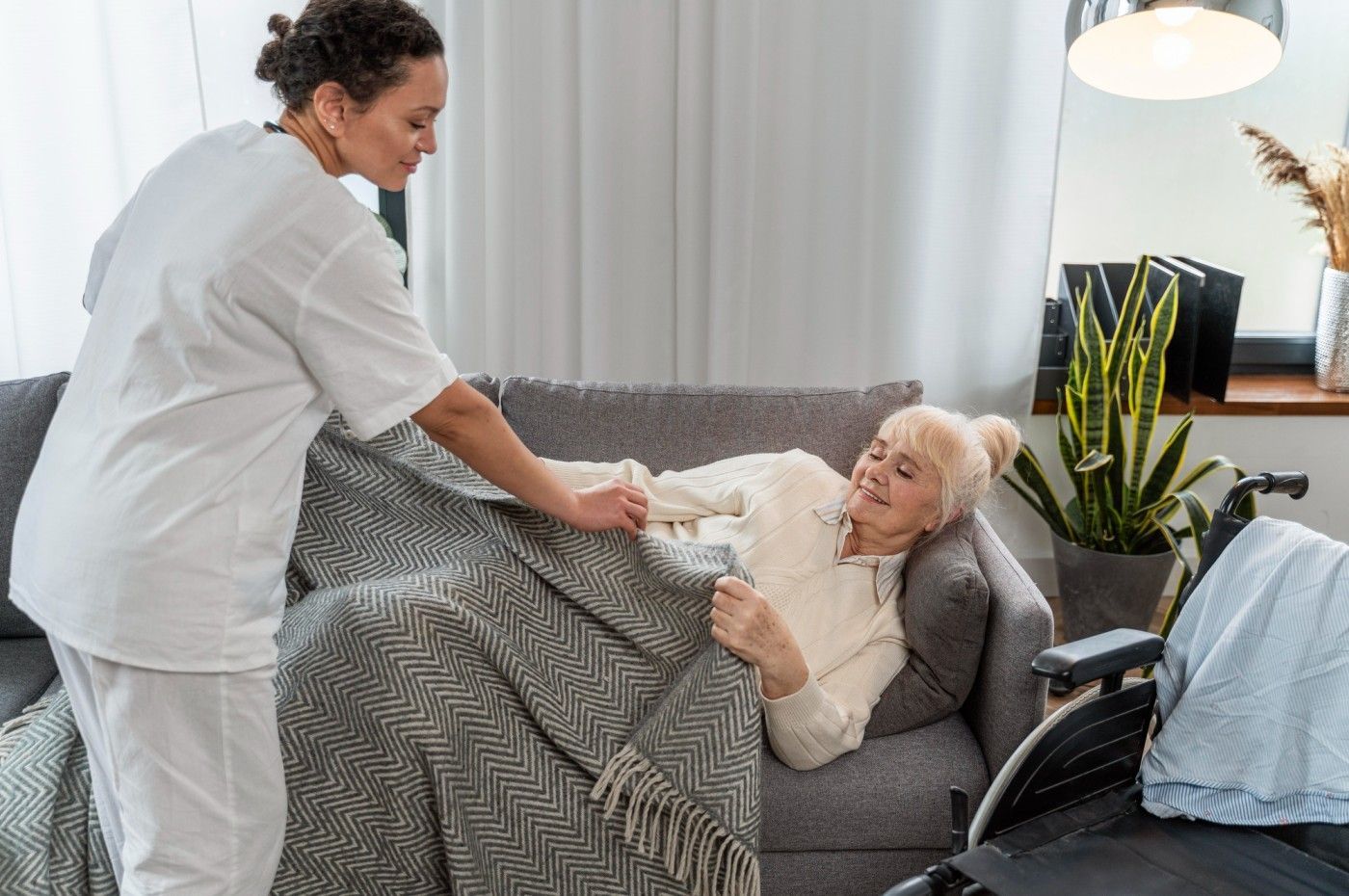
While family involvement is invaluable, trained dementia caregivers bring specialized skills that can dramatically improve day-to-day life for both the person living with dementia and their family:
- Structured daily routines that reduce confusion and anxiety
- De-escalation techniques for moments of agitation or sundowning
- Fall and wandering prevention strategies
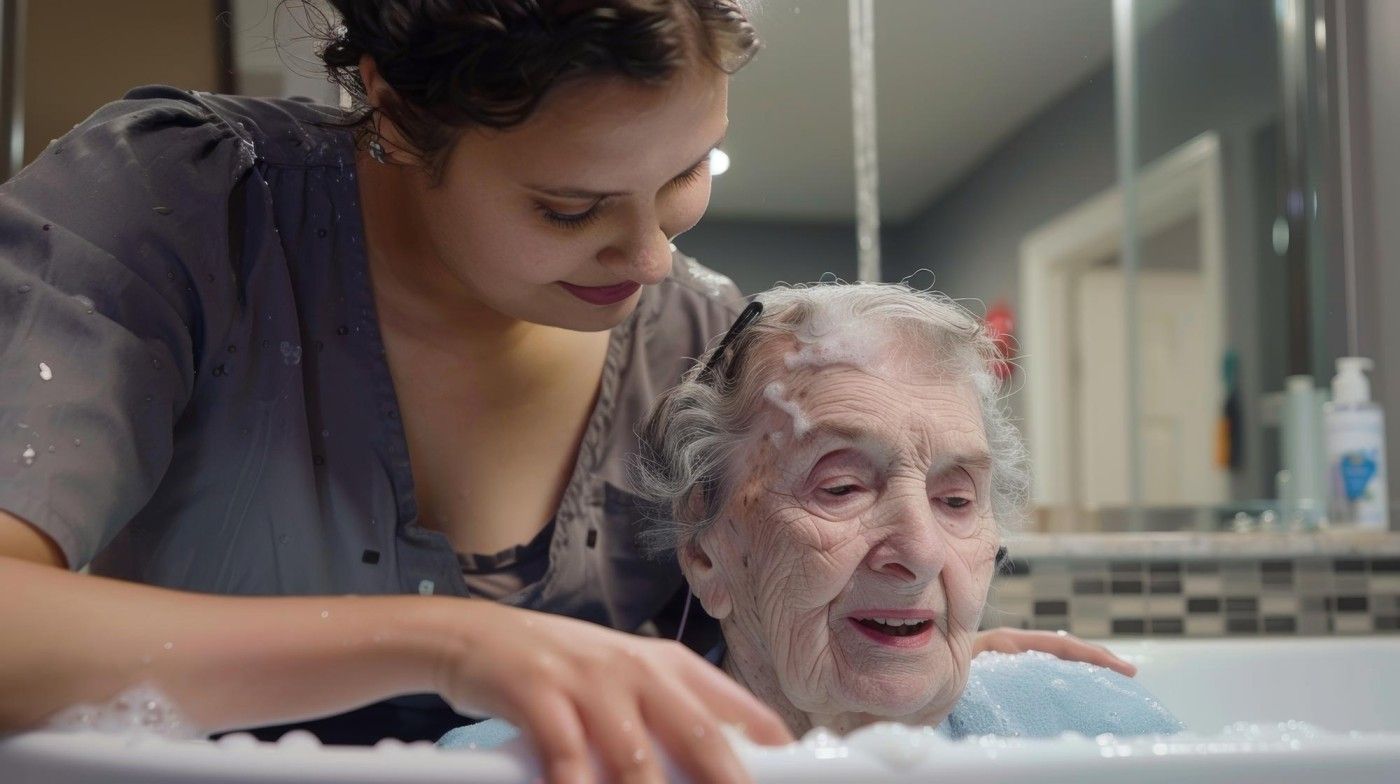
- Personal care assistance with bathing, dressing, and grooming, done with patience and dignity
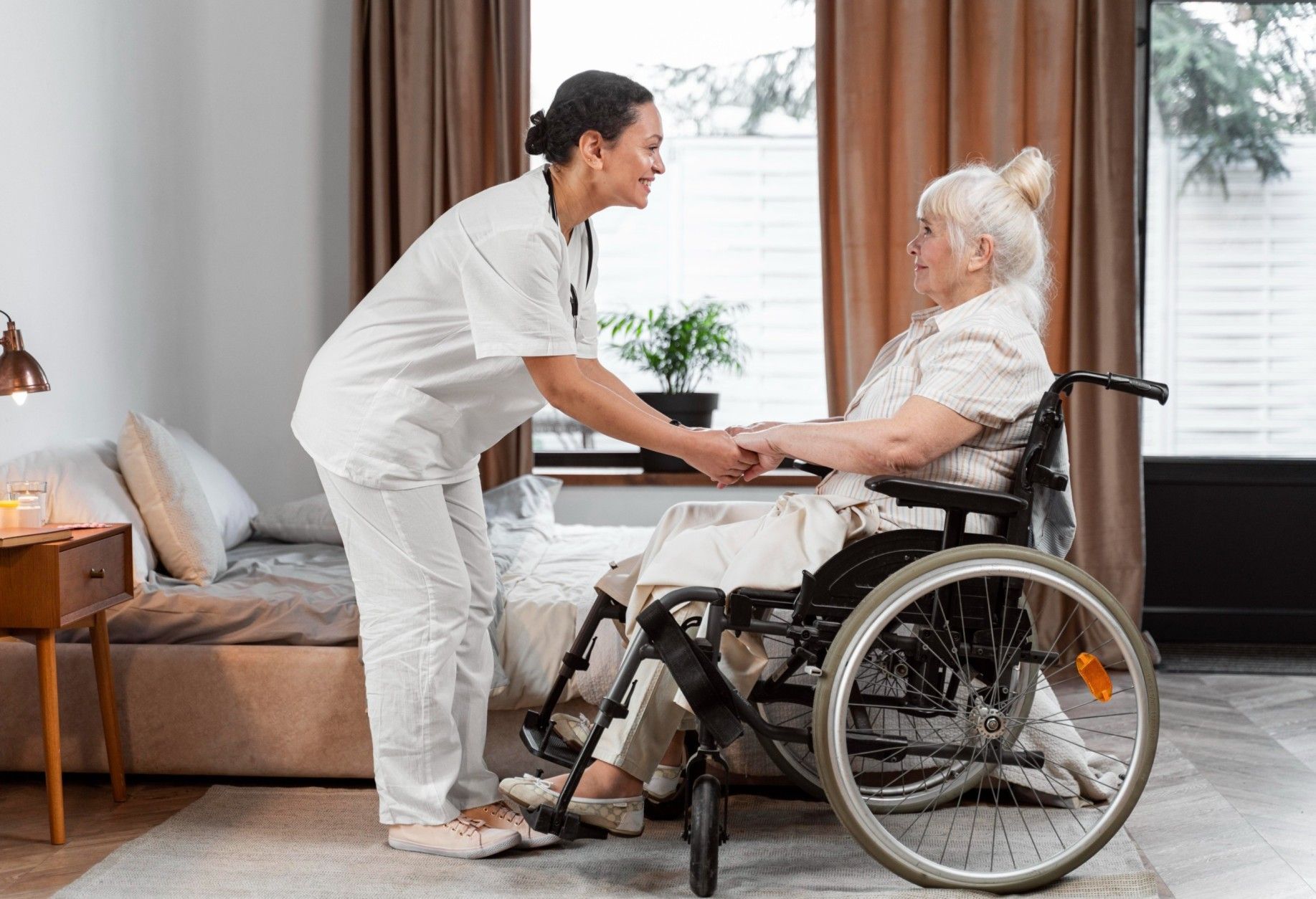
- Companionship that keeps the mind engaged through conversation, music, and familiar activities
- Family support and education, helping relatives understand what to expect as the condition progresses
At Akahina Home Care, our caregivers receive specialized training in dementia and Alzheimer's care, allowing them to provide not just supervision, but genuine, heartfelt companionship tailored to each stage of the disease.
When to Consider 24-Hour Dementia Care
As dementia progresses, families often reach a point where part-time help isn't enough to ensure safety. Signs it may be time to consider 24-hour care include:
- Wandering out of the home, especially at night
- Leaving the stove on or forgetting to lock doors
- Increased falls or physical frailty
- Aggression or severe agitation that's difficult to manage alone
- A family caregiver reaching a point of physical or emotional exhaustion
Round-the-clock in-home care allows your loved one to stay in the home they know, while ensuring a trained caregiver is always present for safety and support.
Why Southern California Families Choose Akahina Home Care for Dementia Support
Akahina Home Care is a military family–owned home care agency based in Murrieta, CA, serving families throughout Southern California. Our caregivers are trained specifically in dementia and memory care, and every care plan is built around the individual — their history, personality, and specific stage of the disease.
Our related services include:
- Dementia Care — structured, specialized memory care support
- 24-Hour Care — continuous supervision for safety
- Personal Care — dignified help with hygiene and mobility
- Companionship — engagement through conversation and shared activities
- Respite Care — essential breaks for family caregivers
- Hospice Care Support — comfort care for advanced-stage needs
We proudly serve families in Temecula, Murrieta, Menifee, Perris, Riverside, Hemet, and Lake Elsinore, and we accept SCAN Health Plan, Private Pay, Long Term Care Insurance, Workers' Comp, and VA Aid and Attendance benefits.
Frequently Asked Questions
1.Can someone with dementia stay at home in the later stages? Yes, in many cases — with the right level of support, including 24-hour in-home care, structured routines, and a safety-proofed environment. The right answer depends on the individual's specific needs and the resources available to support them.
2.What's the difference between dementia care and regular companionship care? Dementia care involves specialized training in communication techniques, behavior management, and safety strategies specific to memory loss, whereas general companionship focuses more broadly on social engagement and daily support.
3.How do I know when it's time to add more hours of care? Watch for new safety incidents (falls, wandering, missed medications), signs of caregiver burnout in the family, or a noticeable decline in the person's ability to manage daily tasks independently. A care coordinator can help assess the right next step.
4.Does insurance cover dementia care at home? Coverage depends on the plan. Akahina Home Care works with Long Term Care Insurance, VA Aid and Attendance, SCAN Health Plan, and private pay to help make care more accessible.
Let Us Help Your Family Navigate This Journey
Caring for a loved one with dementia is one of the hardest things a family can go through — but you don't have to do it alone. Akahina Home Care offers a free in-home assessment to help determine the right level of support for your loved one's specific stage and needs.
Call us today at 951-434-7379 or request your free consultation online to learn how our specialized dementia care can bring safety, structure, and comfort to your loved one's daily life.